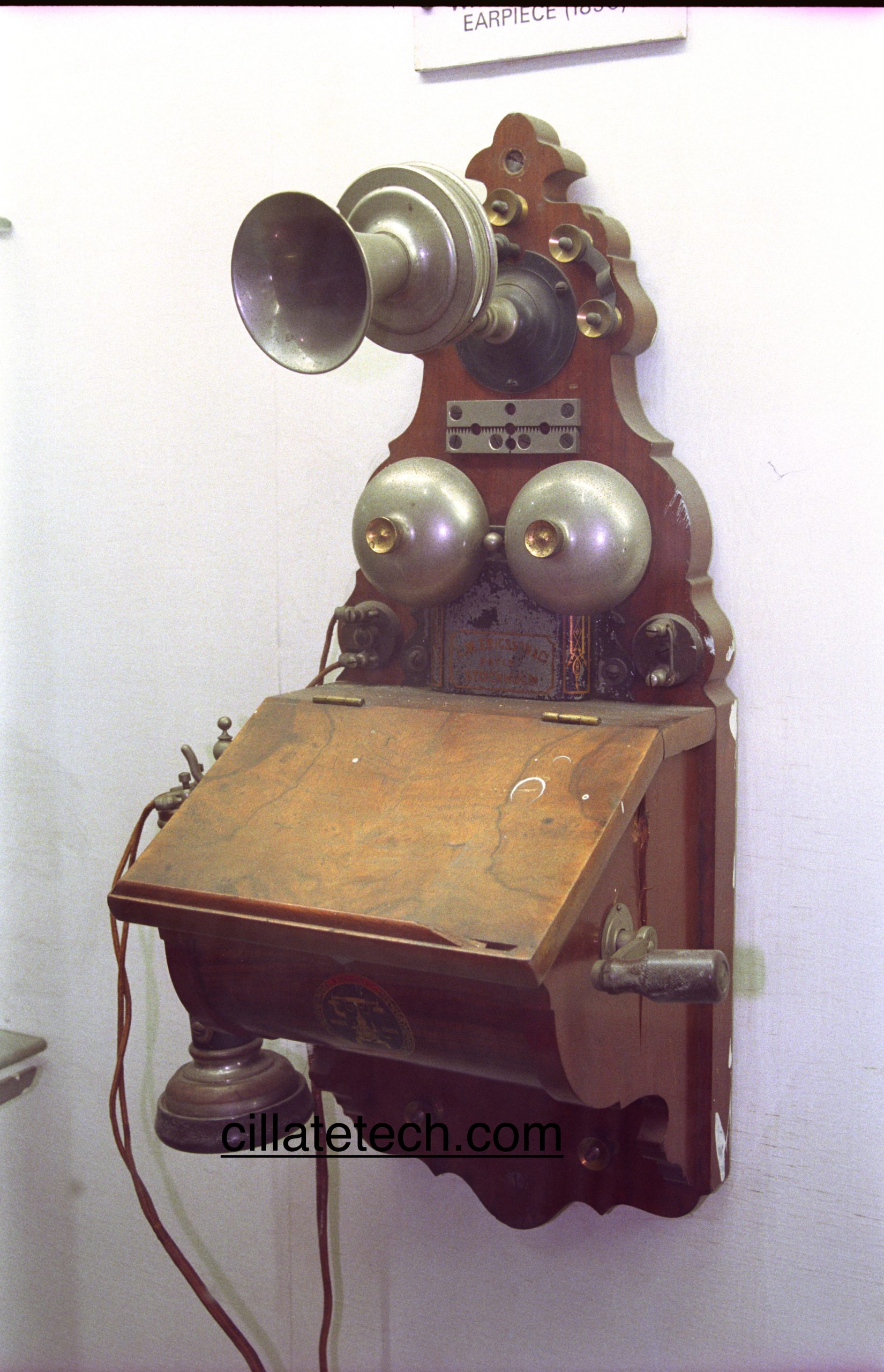
“Technology is anything that wasn’t around when you were born.” – Alan Kay
This simple yet profound observation by computing pioneer Alan Kay captures the essence of a feeling many of us know well: the uncanny sensation that yesterday’s tech belongs to a different world entirely. Every generation experiences this, yet in our era of hyper-accelerated innovation, it’s more acute than ever. A device or platform you once relied upon can suddenly feel alien, like a relic from a bygone civilization rather than a tool you used only yesterday.
In the world of technology, the past doesn’t just recede—it transforms into artifacts that provoke both nostalgia and reflection. Understanding why yesterday’s tech feels like it belongs to another era reveals much about human perception, innovation, and the relentless march of progress.
The Evolution of Technology Through the Ages
Technology has always been a driver of human progress, from the invention of the wheel to the creation of the printing press. Each era had its own “cutting-edge” tools that now seem almost magical—or absurd.
- Industrial Revolution (18th–19th century): Steam engines, textile machines, and railroads revolutionized production and transportation. To someone from the 17th century, these innovations would have seemed otherworldly.
- Early 20th Century: The advent of automobiles, telephones, and radios changed daily life dramatically. Families gathered around radios to hear news and entertainment—technology was beginning to enter homes in unprecedented ways.
- Late 20th Century: Personal computers, early mobile phones, and gaming consoles began the digital age. Devices like the Commodore 64 or the Game Boy shaped childhoods and work environments alike.
- 21st Century: Smartphones, cloud computing, AI, and social media dominate. Innovations arrive so quickly that devices can feel obsolete within a few years, sometimes months.
This historical perspective underscores a simple truth: what seems revolutionary in one era will feel antiquated in the next.
The Speed of Obsolescence in the Modern Age
In today’s hyperconnected world, technological obsolescence happens at breakneck speed. A smartphone from five years ago already feels limited compared to today’s standards. Moore’s Law—the principle predicting the exponential growth of computing power—illustrates this acceleration. Processing speeds double roughly every two years, enabling devices to perform tasks that were unimaginable only a decade prior.
Obsolescence isn’t just about performance—it’s about expectations. Social media platforms, digital content, and user interfaces evolve so quickly that yesterday’s standards appear clunky or inefficient. The difference between a Windows XP desktop and a modern ultrabook is more than speed—it’s a difference in workflow, capability, and even culture.
Iconic “Yesterday’s Tech” That Feels Like a Different Era
To understand why certain technologies feel ancient, consider some key examples:
- Floppy Disks and CDs: Once essential for storing data, they now feel like relics of a pre-cloud era.
- BlackBerry Smartphones: Once the gold standard for mobile productivity, their keyboards and push email systems now seem quaint.
- Dial-Up Internet: That unforgettable screech of connecting to the internet is a stark reminder of how far connectivity has come.
- First-Generation iPods: Portable, intuitive, revolutionary—yet completely replaced by streaming services and multifunctional devices.
These examples highlight how quickly tech transitions from indispensable to nostalgic.
Nostalgia and the Comfort of Simplicity
Interestingly, the feeling that yesterday’s tech belongs to another era is often intertwined with nostalgia. Older devices offer a simplicity and predictability that many modern devices lack.
- Tactile Feedback: Physical buttons and keyboards provided a satisfying, deliberate interaction.
- Focused Functionality: Devices like the Game Boy or early digital cameras were designed to do one thing well, rather than multitasking endlessly.
- Shared Cultural Memory: Dial-up tones, floppy disks, and old software icons evoke shared experiences and a sense of community.
Nostalgia reminds us that innovation isn’t always about complexity; sometimes, it’s about enhancing human experience through clarity and focus.
Lessons From Yesterday’s Technology
Reflecting on older technology offers insights that are still relevant today:
- Durability and Longevity: Mechanical cameras and classic keyboards still function decades later. Longevity is an underappreciated form of innovation.
- Simplicity and Intuition: Interfaces that prioritize clarity and ease of use often outlast flashy but convoluted designs.
- Cultural Context Shapes Adoption: The value of technology is inseparable from the society that uses it.
- Continuous Adaptation: Humans adapt to technology as it evolves, but understanding past tools can inform better design choices for the future.
The Psychological Dimension of “Different Eras”
Why does yesterday’s technology feel like a relic of another world? Psychology plays a key role. Humans are wired to notice change, and technology exaggerates the perception of time. When devices or platforms act as temporal anchors—our first smartphone, first laptop, or first social media account—their obsolescence feels disproportionate.
Generational differences amplify this. Digital natives may find technology from just a decade ago confusing, while older generations recall it as essential. This divergence creates layered narratives of innovation, memory, and cultural evolution.
The Role of Innovation and Human Imagination
Alan Kay’s insight reminds us that technology is defined by what we haven’t yet encountered. Each generation will inevitably look back on current devices with wonder and disbelief. Every innovation—from the printing press to quantum computing—has had its moment of being the “latest and greatest.” Reflecting on past technologies highlights a key truth: human ingenuity is continuous, while individual devices are fleeting.
Embracing Yesterday to Shape Tomorrow
Acknowledging yesterday’s tech doesn’t mean resisting progress; it means grounding ourselves amid rapid change. By studying older devices, we gain perspective on design, usability, and human interaction. We learn that innovation isn’t only about novelty—it’s about creating tools that endure and enrich human life.
Yesterday’s technology feels like a different era because it is a different era—a snapshot of human creativity at a point in time. Appreciating it allows us to see the trajectory of innovation, celebrate progress, and understand the patterns that will shape the technologies of tomorrow.
In a world obsessed with the next upgrade, pausing to honor the past reminds us that progress is not just about speed—it is a continuum of ideas, inspiration, and ingenuity. Yesterday’s tech may feel foreign, but it laid the foundation for the extraordinary capabilities we enjoy today.