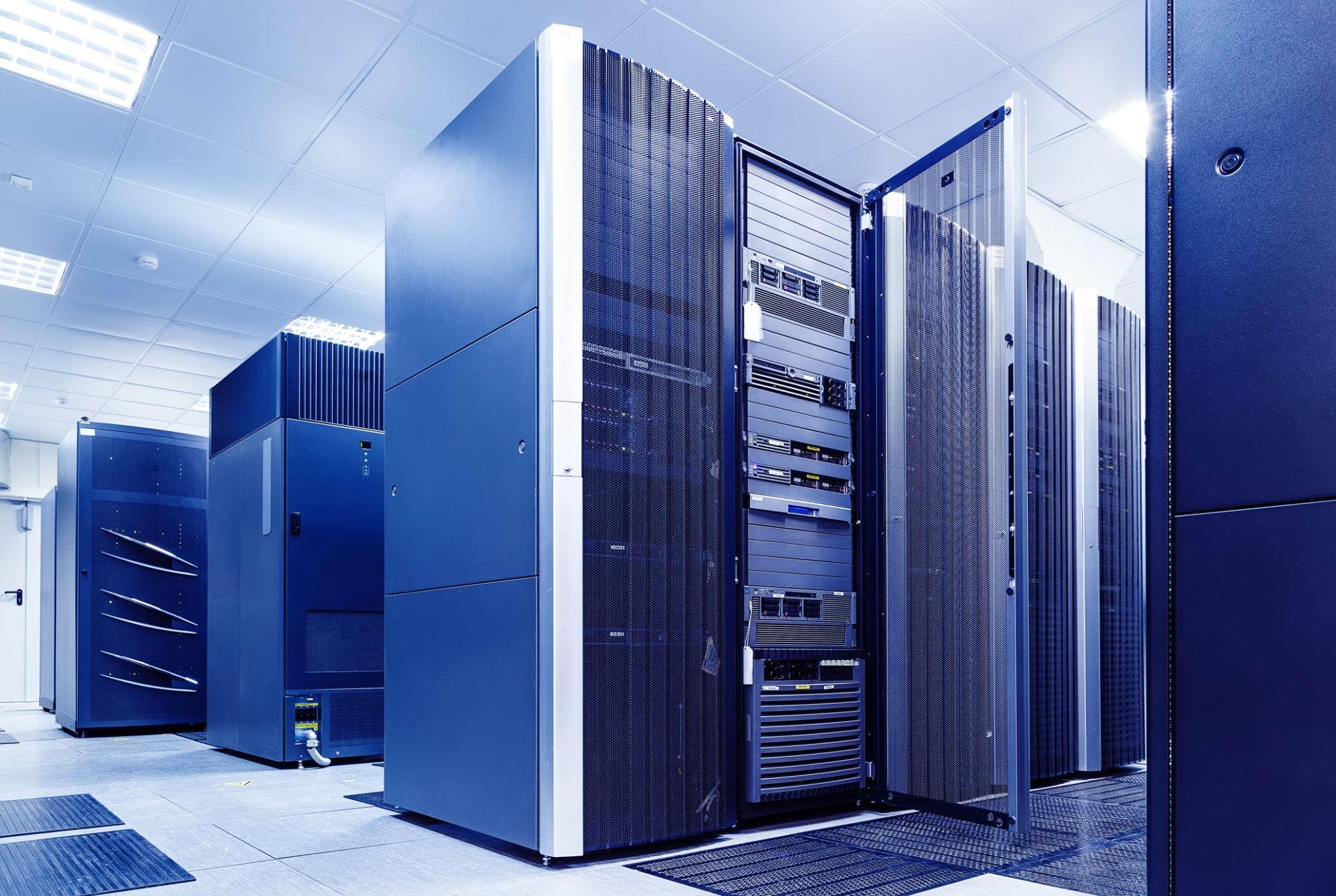
In the modern era, technology is often associated with tangible innovations—smartphones, laptops, and wearable devices that dominate our daily routines. However, the true power of technology lies beneath the surface, operating as an invisible engine that drives global transformation. This unseen layer is composed of data networks, algorithms, and interconnected systems that silently shape how we live, work, and interact. According to industry estimates, more than 90% of the world’s data has been generated in just the past few years, highlighting the exponential growth of digital information. Every online interaction—whether a search query, social media post, or online purchase—feeds into this vast ecosystem, enabling systems to learn, adapt, and optimize outcomes in real time. What makes this phenomenon remarkable is not just the scale, but the seamless way in which it integrates into everyday life, often without users even realizing its presence.
At the core of this invisible engine is data, now widely regarded as one of the most valuable resources in the world. Global tech giants such as Google and Amazon process billions of data points daily to refine their services and enhance user experience. For instance, recommendation systems powered by machine learning algorithms account for a significant portion of user engagement—studies suggest that over 30% of consumer purchases on large e-commerce platforms are influenced by algorithmic recommendations. These systems analyze patterns in user behavior, preferences, and interactions to deliver highly personalized content. This shift from generic services to tailored experiences represents a fundamental change in how businesses operate, making decision-making faster, more accurate, and increasingly data-driven.
Artificial intelligence has emerged as a cornerstone of this transformation, pushing the boundaries of what machines can achieve. Unlike traditional software, AI systems improve through experience, leveraging vast datasets to enhance their accuracy and efficiency. In healthcare, for example, AI-powered diagnostic tools have demonstrated accuracy rates comparable to, and in some cases exceeding, human experts in detecting diseases such as cancer. In the financial sector, AI algorithms process millions of transactions per second to identify fraudulent activities, reducing financial losses significantly. Meanwhile, advancements in natural language processing have enabled machines to understand and generate human-like language, revolutionizing customer service and digital communication. The rapid adoption of AI across industries underscores its role as a driving force behind innovation and efficiency.
Cloud computing has further accelerated technological growth by transforming how data is stored, processed, and accessed. Instead of relying on physical servers, organizations now utilize cloud platforms to manage their operations with greater flexibility and scalability. It is estimated that over 90% of enterprises globally use some form of cloud service, reflecting its widespread adoption. Cloud infrastructure allows businesses to scale resources on demand, reducing costs and improving efficiency. It also enables real-time collaboration, allowing teams to work seamlessly across different geographical locations. This shift has been particularly significant for startups and small businesses, as it lowers the barrier to entry and provides access to powerful computing resources that were once limited to large corporations.
The Internet of Things (IoT) has expanded this digital ecosystem by connecting everyday devices to the internet, creating a network of intelligent systems that communicate and share data. From smart homes equipped with automated lighting and temperature control to industrial machines that monitor performance and predict maintenance needs, IoT is transforming both personal and industrial environments. Current projections indicate that there will be over 25 billion connected devices worldwide within the next few years. This interconnectedness enhances efficiency, reduces operational costs, and enables predictive capabilities that were previously unimaginable. For example, in manufacturing, IoT systems can detect potential equipment failures before they occur, minimizing downtime and improving productivity.
Despite these advancements, the rapid expansion of technology has also introduced significant challenges, particularly in the realm of cybersecurity. As more data is generated and shared, the risk of cyber threats continues to grow. Global reports estimate that cybercrime could cost the world trillions of dollars annually in the near future. Organizations are investing heavily in security measures such as encryption, multi-factor authentication, and advanced threat detection systems to protect sensitive information. Cybersecurity has become an essential component of the digital infrastructure, ensuring that innovation does not come at the expense of privacy and trust. The balance between accessibility and security remains one of the most critical challenges in the digital age.
Automation and robotics are also reshaping industries by enhancing productivity and efficiency. In manufacturing, automated systems can operate continuously with minimal human intervention, significantly increasing output. Studies suggest that automation can improve productivity by up to 30% in certain sectors. In logistics, robots are used to sort and transport goods with remarkable precision, reducing errors and delivery times. However, this shift also raises important questions about the future of employment, as traditional roles evolve or become obsolete. The demand for skilled professionals in areas such as data analysis, AI development, and cybersecurity is increasing, highlighting the need for continuous learning and adaptation in the workforce.
Looking ahead, emerging technologies such as quantum computing and blockchain are poised to redefine the technological landscape. Quantum computing has the potential to solve complex problems at speeds far beyond the capabilities of classical computers, opening new possibilities in fields such as medicine, cryptography, and climate modeling. Blockchain technology, on the other hand, offers a decentralized and secure method of recording transactions, with applications ranging from finance to supply chain management. While these technologies are still in their early stages, their potential impact is immense, promising to unlock new levels of innovation and efficiency.
In conclusion, the most powerful aspect of modern technology is not what we see, but what operates behind the scenes. The invisible engine of data, algorithms, and interconnected systems is driving unprecedented change across every sector of society. As technology continues to evolve, it will become even more integrated into our lives, shaping decisions, enhancing capabilities, and redefining possibilities. The challenge for the future lies not only in advancing technology but in using it responsibly, ensuring that its benefits are shared widely while minimizing risks. In this rapidly changing world, understanding the unseen forces of technology is essential to navigating and thriving in the digital age.