Nature is in constant motion. From the quiet spirals of water in a stream to the invisible whirls of air in the atmosphere, vortices—spiraling flows of fluids—shape not only the environment but also our emotions and daily experiences. These hidden currents, often unseen, influence the weather we encounter, the energy we use, and even the comfort or unease we feel in our surroundings. Studying these swirling motions is not just for scientists. Observing vortices helps us understand the rhythms of life and offers lessons about resilience, growth, and navigating challenges—lessons that are directly applicable to personal and professional success.
Understanding Natural Vortices
A vortex is a rotating motion of fluid, which can occur in water, air, or other mediums. Examples range from water spinning down a drain, whirlpools forming behind rocks in rivers, to winds twisting during storms. While vortices may appear fleeting, they are expressions of energy, balance, and natural regulation. Similarly, in our lives, challenges often feel like chaotic whirlpools pulling us in different directions. Yet, just as natural eddies distribute energy efficiently, life’s turbulence can serve as a catalyst for learning, growth, and gaining momentum.
Water Vortices: Small Swirls, Big Impact
Water vortices are closer to us than we often realize. Stirring coffee or tea creates tiny spirals that mix flavors, mimicking larger river or ocean currents. The whirlpool effect as water drains in sinks and bathtubs demonstrates the same principles governing massive water systems. Eddies in nearby rivers or streams help aerate water and support aquatic life.
These swirling currents are not only physical phenomena—they also influence our emotions. Observing streams or fountains can calm the mind, relieve tension, and inspire reflection. Life’s small disruptions, like tiny spirals in a cup or stream, remind us that moments of pause or turbulence can mix elements in our lives, leading to something new and meaningful. Even minor, circular movements can create significant change. Achieving success often requires actively blending your skills, knowledge, and experiences into a cohesive, forward-moving energy.
Air Currents: Feeling Nature’s Spirals
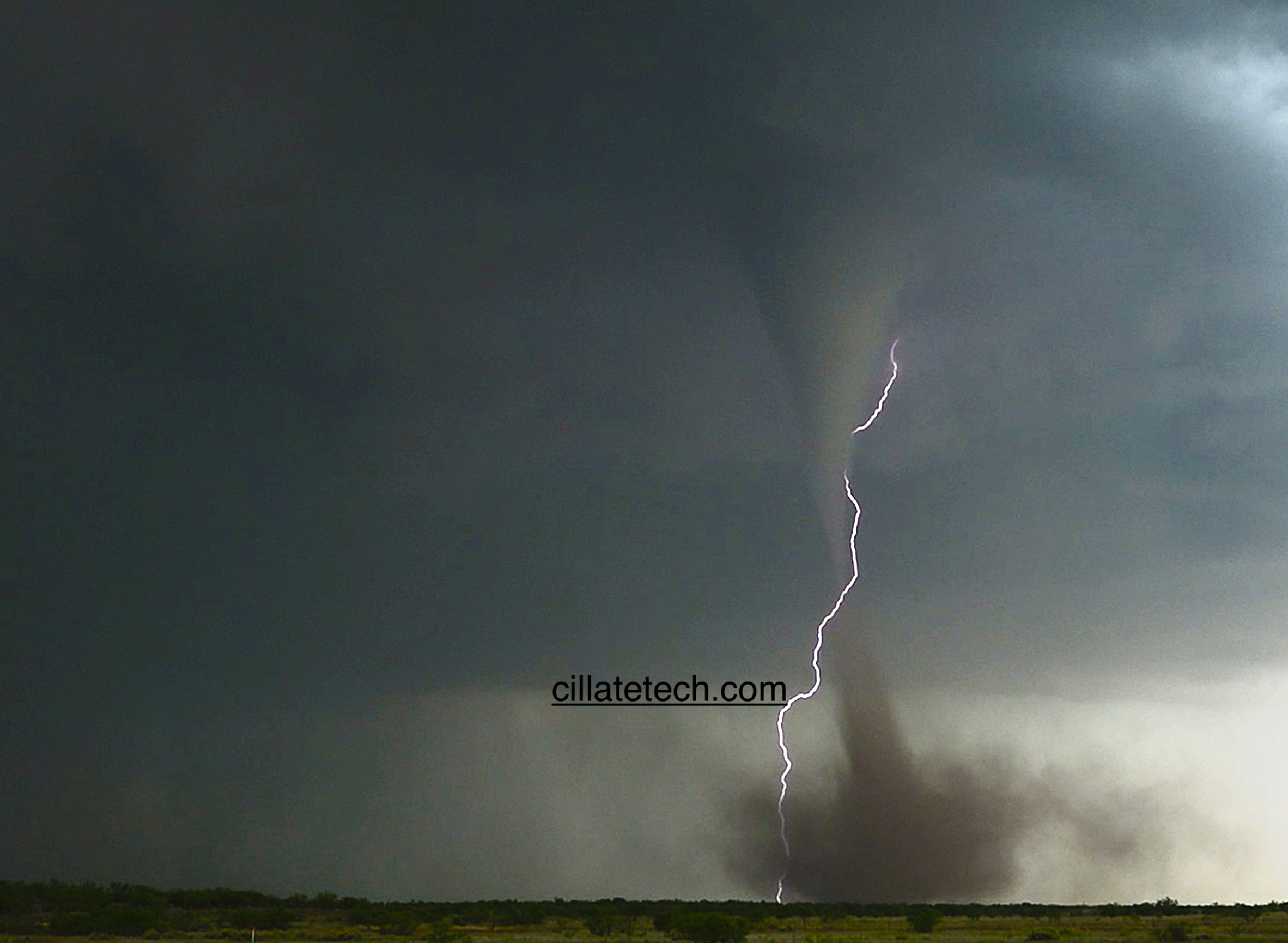
The atmosphere is filled with vortices, from gentle breezes to massive cyclones. These air currents impact daily life and human experience. Swirling winds between buildings can refresh or surprise us. Tornadoes and smaller whirlwinds illustrate the energy and power of air vortices. Even indoor airflow, such as from fans and ventilation systems, relies on circular motion to maintain comfort.
Air vortices demonstrate that life is a combination of predictable patterns and surprises. A gentle swirl can energize, while chaotic currents may challenge us. Learning to read these invisible forces is akin to developing emotional intelligence—adapting to circumstances without unnecessary resistance. Success often comes from flowing with unseen forces rather than fighting them. Being adaptable and aware allows us to channel energy constructively.
Harnessing Vortices: Turning Motion into Energy
Vortices are not just natural curiosities—they are essential for generating energy and improving human life. Spiral flows in dams drive turbines that generate electricity. Engineers exploit circular motion in fans, turbines, and propellers to create propulsion and maintain airflow. Circular air movement also improves comfort and efficiency in homes and offices.
Every interaction with these systems—turning on a fan, running water, or stepping into a wind-cooled room—demonstrates how energy from spinning currents can be harnessed for daily benefit. Like engineers converting vortices into energy, we can transform challenges into resources. Difficulties, if approached thoughtfully, can fuel growth, creativity, and achievement.
Emotional Currents: How Swirls Shape Our Mind
Vortices influence human emotions as much as our physical environment. Spiraling streams and fountains reduce stress and enhance concentration. Gentle air currents can uplift, while turbulent gusts may create tension or unease. Ocean eddies evoke awe, excitement, and even humility for swimmers, surfers, and sailors.
These phenomena remind us that emotions, like currents, move in cycles. Happiness, stress, and motivation circulate and ebb. Recognizing these patterns helps us ride emotional highs and lows with greater balance. Personal growth and success depend on understanding and managing emotional currents. Awareness and reflection allow energy to be used effectively rather than wasted in resistance.
Observing Vortices in Everyday Life
Even in urban settings, vortices are everywhere. The swirl in a boiling pot mirrors the movements of rivers and oceans. Tiny air eddies create dynamic patterns in leaves and other objects. Circular flows in traffic roundabouts mimic natural spirals, improving efficiency.
Paying attention to these patterns encourages mindfulness and helps us see that energy, motion, and progress often occur in cycles rather than straight lines. Observing patterns allows better decision-making. Recognizing how flows interact helps us act in harmony with forces larger than ourselves.
Vortices as a Life Metaphor
Natural vortices serve as a metaphor for human experience. Life rarely moves in a straight line; it moves in spirals—ups and downs, calm and turbulence, setbacks and breakthroughs. Like an eddy that spins water momentarily before releasing it downstream, challenges and pauses in life prepare us for the next step. Learning is not linear. Mistakes and setbacks often return as opportunities to deepen understanding. Like natural spirals, success requires conserving energy and avoiding wasted effort. Vortices interact with their surroundings, just as our choices ripple outward, influencing relationships, careers, and communities. Life’s spirals are not obstacles—they are opportunities for growth. Persistence, reflection, and strategic alignment with these cycles enhance long-term success.
Resilience Lessons from Nature
Vortices also teach resilience, a vital trait for achievement. Water and air flow around obstacles rather than stopping, modeling adaptability. Even small spirals accumulate energy over time, showing how gradual, consistent effort leads to substantial outcomes. Currents often change course, guiding energy where it is needed most. Nature shows that turbulence strengthens systems. Similarly, setbacks can build skills, perspective, and determination necessary for success.
Applying Vortex Wisdom in Life
The lessons from vortices can guide personal and professional growth. Embrace cycles, recognizing that growth is rarely linear and setbacks are part of the spiral toward success. Convert challenges into energy, redirecting obstacles into learning, creativity, or productive action. Observe recurring patterns in work, habits, and relationships to make informed, strategic choices. Balance calm and turbulence, using moments of reflection to recharge and facing challenges with awareness and focus. Applying these principles aligns our actions with the natural flow of life, making progress more sustainable and meaningful.
Lastly, Navigating the Hidden Currents
From water spiraling in a teacup to massive ocean eddies, from soft breezes to fierce storms, vortices are everywhere. They shape the world, affect our emotions, and teach lessons about resilience, adaptability, and growth. Life itself mirrors these spirals. Observing and understanding vortices helps us channel energy, handle challenges, and maintain balance in pursuit of personal and professional success.
The next time you notice swirling water, twisting wind, or circling clouds, pause and reflect. These are not just natural phenomena—they reflect the spirals in your own journey. Life moves in spirals, and those who understand the flow, embrace turbulence, and direct energy wisely thrive. Vortices in nature are more than patterns—they are guides for living with awareness, courage, and purpose. Every swirl, spin, and turn carries a lesson, showing us how to navigate life’s currents with wisdom and grace.