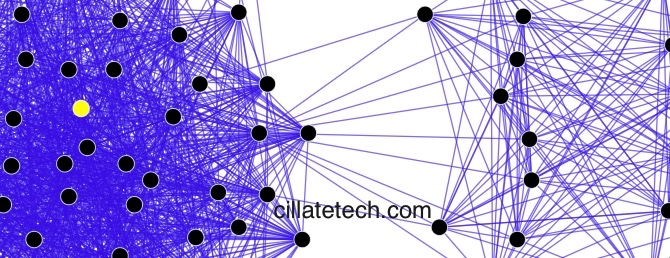
The internet has revolutionized how we communicate, creating a globally connected world where information, commerce, and culture flow seamlessly across borders. In many ways, it has been a driving force behind globalization, offering unprecedented levels of connectivity and convenience. However, the internet’s rise comes with an unexpected downside: while it brings people closer in a virtual sense, it often leaves them more distanced from each other in reality, resulting in an erosion of authentic human connections.
This article delves into how the internet, despite its ability to foster global links, has contributed to social isolation. We’ll explore the psychological, emotional, and social implications of online interaction and how the digital world, which connects us on a global scale, may inadvertently tear apart the personal relationships that truly matter.
The Internet as a Global Connector
The internet has drastically changed the way the world communicates, shrinking geographic boundaries and making it easier than ever to connect with others globally. Social media, online shopping, and digital communication platforms have allowed people to share information, build relationships, and exchange ideas across continents in real-time.
Global business has flourished thanks to the internet, with e-commerce giants such as Amazon and Alibaba connecting consumers to products worldwide, and digital platforms enabling collaboration across borders. The internet has democratized education, providing access to a wealth of knowledge that was once out of reach for many. Online learning platforms, remote working, and digital entrepreneurship have become central to modern economies.
At a social level, the internet has allowed people to stay connected regardless of distance. Social networks like Facebook, Instagram, and Twitter make it possible to stay in touch with friends and family, while forums and messaging apps create virtual communities of people with shared interests. Thanks to these digital tools, the world feels more interconnected than ever.
The Illusion of Real Connection: The Shallow Nature of Digital Interactions
While the internet has made it easier to communicate, it often lacks the depth and authenticity of face-to-face interactions. Unlike in-person conversations, digital communication frequently falls short of conveying emotions and intentions, as it lacks non-verbal cues such as body language, tone, and facial expressions. This results in interactions that can feel more superficial, even if the frequency of exchanges has increased.
On social media, for example, “liking” a post or sharing a meme is often seen as a sign of connection, but these gestures rarely carry the weight or depth of in-person interactions. Although online engagement is at an all-time high, many people report feeling increasingly isolated despite the growing number of “friends” and “followers” they have online. This paradox reflects how digital interaction can create an illusion of closeness while leaving people feeling disconnected.
Social media platforms also fuel a culture of comparison. Users tend to post only the highlights of their lives—vacations, celebrations, and accomplishments—leading others to compare their own lives to the curated, idealized versions they see online. This constant comparison can trigger feelings of loneliness and inadequacy, intensifying the emotional distance between people rather than closing it.
The Social Media Paradox: More Connections, Less Depth
Social media platforms epitomize the paradox of online globalization: they connect us to more people, but often at the expense of deeper, more meaningful relationships. While these platforms offer a means to stay in touch with hundreds or thousands of individuals, the quality of these connections can often be shallow. Commenting on posts, liking photos, or sharing links may create a sense of engagement, but these interactions lack the emotional intimacy that comes with face-to-face conversation.
Interestingly, the more time people spend on social media, the more likely they are to experience feelings of loneliness. Despite having access to an extensive network of online “friends,” users often report feeling emotionally isolated. The problem lies in the fact that while social media fosters a global community, it doesn’t necessarily facilitate real, emotional bonds.
Many people find themselves spending hours scrolling through posts, liking photos, and commenting on status updates—yet they struggle to forge meaningful conversations. Digital interactions may be quick and convenient, but they rarely carry the weight or emotional depth of a real-life conversation. This can lead to a sense of disconnection from those closest to us, as we often choose online communication over personal interaction.
The Erosion of Family and Friend Bonds
The internet has reshaped how we interact with our family and friends, but the impact isn’t always positive. Although digital communication makes it easier to keep in touch, it has also led to less quality time spent together. In many households, devices like smartphones and laptops have replaced in-person interactions during important moments, such as family dinners or weekend outings.
When family members are physically present but glued to their screens, the quality of those interactions is diminished. For instance, instead of engaging in meaningful conversations, people often find themselves distracted by notifications, emails, or social media updates. As a result, the value of these moments is lost, contributing to a growing sense of emotional disconnect within families.
Similarly, online communities, such as gaming groups and social platforms, offer a sense of belonging, but these virtual spaces often lack the depth and emotional connection of in-person relationships. While these communities may offer social support and entertainment, they cannot replace the genuine bonds that are formed when people interact face-to-face.
Globalization and Personal Disconnection: The Growing Divide
As digital communication continues to fuel globalization, it’s crucial to recognize the unintended consequences of this increased connectivity. The internet has indeed made the world feel smaller, allowing us to connect with others across borders and cultures. However, the same technology that facilitates global interactions also contributes to the erosion of personal relationships in our immediate environments.
In urban areas, particularly in fast-paced cities like Singapore, the focus on online communication has led to a shift in how people socialize. Remote work, online education, and digital entertainment have all contributed to a more solitary lifestyle. While these digital advancements provide convenience, they also result in a lack of spontaneous, face-to-face encounters that once formed the foundation of social bonding.
This growing divide between virtual connectedness and real-world isolation reflects a deeper issue: the internet connects us to the world, but often at the expense of meaningful connections in our own lives. While we can communicate with anyone, anywhere, at any time, we may find ourselves becoming more emotionally distant from those closest to us.
Finding Balance: Reclaiming Meaningful Connections
To address this paradox, it’s essential to strike a balance between the convenience and reach of online communication and the emotional richness of in-person interactions. While the internet undoubtedly provides powerful tools for global communication, it’s important to prioritize face-to-face engagement, especially with loved ones.
By spending quality time with family and friends without the distraction of screens, we can restore the depth of our relationships. Similarly, taking the time to disconnect from digital devices—whether for a walk in nature or a conversation over coffee—can help us re-establish the emotional connections that are often lost in the digital world.
Digital tools, when used mindfully, can complement real-world relationships rather than replace them. Social media, messaging apps, and video calls can be invaluable for staying in touch with distant friends or family members. However, the key is not to let these tools replace the authenticity of direct, face-to-face communication.
Ultimately
The internet has created a globalized world where distance is no longer a barrier to communication. However, this technological revolution comes with a hidden cost: while it connects us virtually, it often leaves us disconnected on a personal level. The challenge now is to reclaim the human connection that technology threatens to diminish. By embracing a balanced approach—leveraging digital tools while prioritizing in-person relationships—we can navigate the complexities of online globalization without sacrificing the meaningful bonds that define our lives.