The COVID-19 pandemic marked a turning point in the history of work. Virtually overnight, businesses across the globe had to adapt to remote work models. What was once seen as a perk or an exception became the new norm. As companies and employees grew accustomed to working from home, it sparked a deeper conversation: will offices become obsolete in the future?
Rise of Remote Work
Before the pandemic, remote work was gradually gaining momentum, particularly in tech and creative industries. However, its adoption was still limited. Skepticism about productivity, collaboration, and accountability hindered its widespread implementation. Then came 2020, and remote work became a necessity rather than a choice.
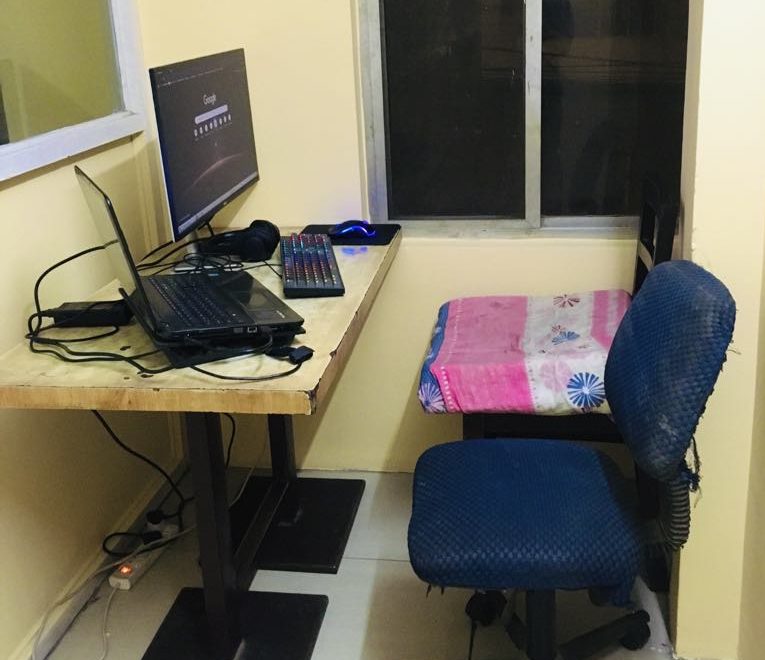
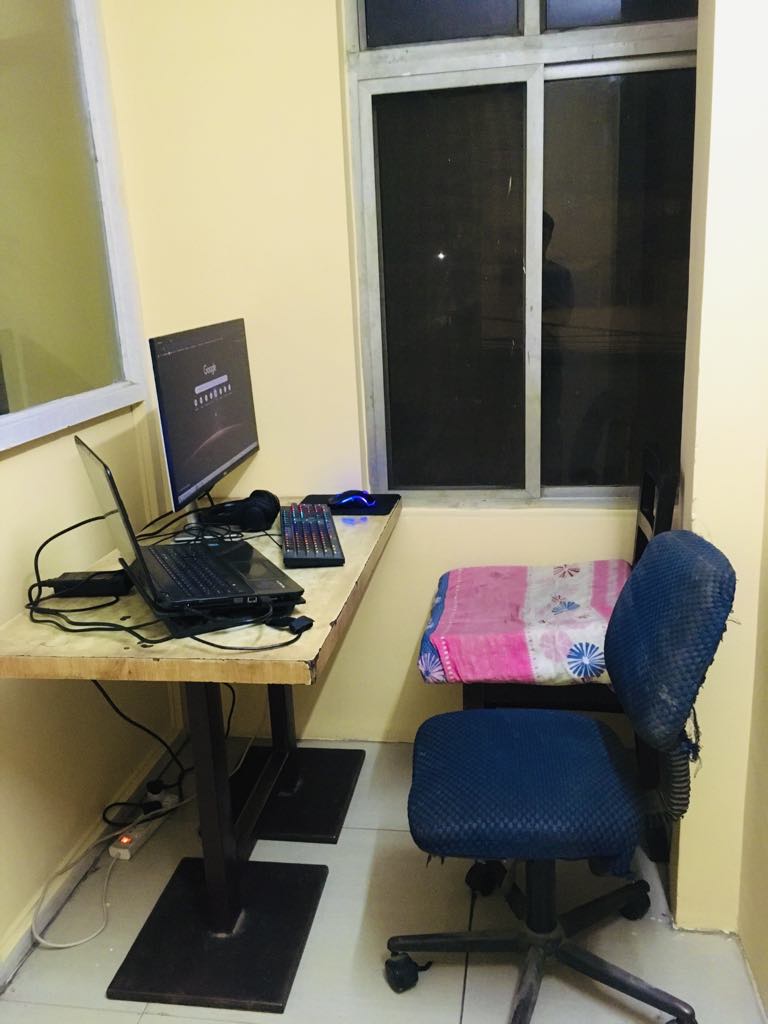
Companies quickly discovered that remote work could be highly effective. With the right tools and processes in place, many teams maintained or even increased productivity. Employees appreciated the flexibility and the elimination of daily commutes, which translated into better work-life balance. These findings challenged the long-held assumption that physical presence in an office was essential for effective work.
Changing Attitudes Towards Offices
One of the most significant changes brought by the remote work revolution is the shift in mindset. Employers and employees alike have started to question the purpose of traditional offices. If work can be done from anywhere, do we still need physical office spaces?
Some large companies have taken definitive steps. Tech giants like Twitter and Shopify announced permanent remote work options for employees. Others adopted hybrid models, allowing staff to choose between home and office. In contrast, a few companies insisted on returning to pre-pandemic norms, arguing that in-person collaboration and company culture thrive best in shared physical spaces. The diversity of approaches indicates that the future of work is not a one-size-fits-all scenario. Still, the overall trend leans toward greater flexibility.
Advantages of Remote Work
Remote work offers numerous advantages that make it appealing for both employers and employees.
- Cost Savings: Companies can reduce overhead costs associated with maintaining large office spaces. Employees save money on commuting, food, and other daily expenses.
- Access to Global Talent: Businesses are no longer limited to hiring within commuting distance. They can tap into a global talent pool, leading to more diverse and skilled teams.
- Increased Productivity: Contrary to initial fears, many studies show that remote workers can be more productive, especially when they can create personalized and comfortable work environments.
- Better Work-Life Balance: Remote work provides employees with greater control over their schedules, leading to improved mental health and job satisfaction.
Challenges of Remote Work
Despite its advantages, remote work also comes with significant challenges that cannot be ignored.
- Isolation and Loneliness: Working from home can be isolating, especially for those who thrive on social interaction. This can lead to decreased morale and mental health issues over time.
- Communication Barriers: While digital tools help bridge the gap, they cannot fully replicate the nuances of face-to-face interaction. Misunderstandings may arise more frequently in virtual settings.
- Management Difficulties: Supervising remote teams requires different skills and tools. Some managers struggle to adapt, leading to issues in performance monitoring and team cohesion.
- Security Concerns: Remote work can expose companies to cybersecurity risks, especially if employees use unsecured networks or devices.
Hybrid Work: A Middle Ground
Recognizing both the benefits and limitations of remote work, many organizations are now adopting hybrid work models. This approach allows employees to split their time between home and the office. The hybrid model aims to offer flexibility while preserving the social and collaborative benefits of in-person interaction.
Companies like Microsoft and Google have embraced hybrid work, redesigning their offices to support flexible schedules and collaborative spaces. This model appeals to a broad range of workers, accommodating different work styles and personal circumstances.
The Role of Technology
Technology is the backbone of remote and hybrid work. Tools like Zoom, Slack, Microsoft Teams, and project management platforms have become essential. Cloud computing enables seamless access to data and systems from anywhere, while advances in cybersecurity help protect remote infrastructure.
Looking ahead, innovations like virtual reality (VR) and augmented reality (AR) could further transform remote collaboration. Imagine virtual offices where employees can interact in immersive environments, mimicking the experience of working side by side. These technologies could redefine the concept of “going to work.”
Cultural and Organizational Shifts
For remote work to succeed in the long term, companies must undergo cultural and organizational changes. Trust and accountability become even more important when managers cannot physically observe their teams. Outcome-based performance measurement should replace outdated practices like time tracking or presence monitoring.
Moreover, organizations need to invest in employee well-being and foster a strong remote culture. Regular virtual check-ins, digital team-building activities, and clear communication are essential to keeping remote employees engaged and connected.
Will Offices Become Obsolete?
Despite the rapid growth of remote work, it is unlikely that offices will disappear entirely. Instead, their purpose and design will evolve. Traditional rows of cubicles may give way to open, flexible spaces designed for collaboration, meetings, and team-building activities.
Offices may become hubs rather than daily workplaces. Employees might visit them for specific purposes—such as brainstorming sessions, company events, or intensive team projects—rather than routine tasks. This shift could reduce the demand for large office spaces, particularly in expensive urban centers.
Additionally, certain industries and roles still require physical presence, such as manufacturing, healthcare, and lab-based research. For these sectors, remote work is not a feasible alternative.
Conclusion
The future of work is undoubtedly more flexible, decentralized, and technology-driven than ever before. Remote work has proven its value, and it is here to stay in some form. However, the idea of offices becoming completely obsolete is unlikely. Instead, we will see a reimagining of office spaces and work models to better reflect the needs and preferences of the modern workforce.
The key lies in balance. Companies that embrace flexibility, invest in the right technology, and foster strong cultures—whether remote or hybrid—will be best positioned for success in the evolving world of work. Offices will not vanish, but their role will change dramatically, serving as complements rather than cornerstones of the work experience.