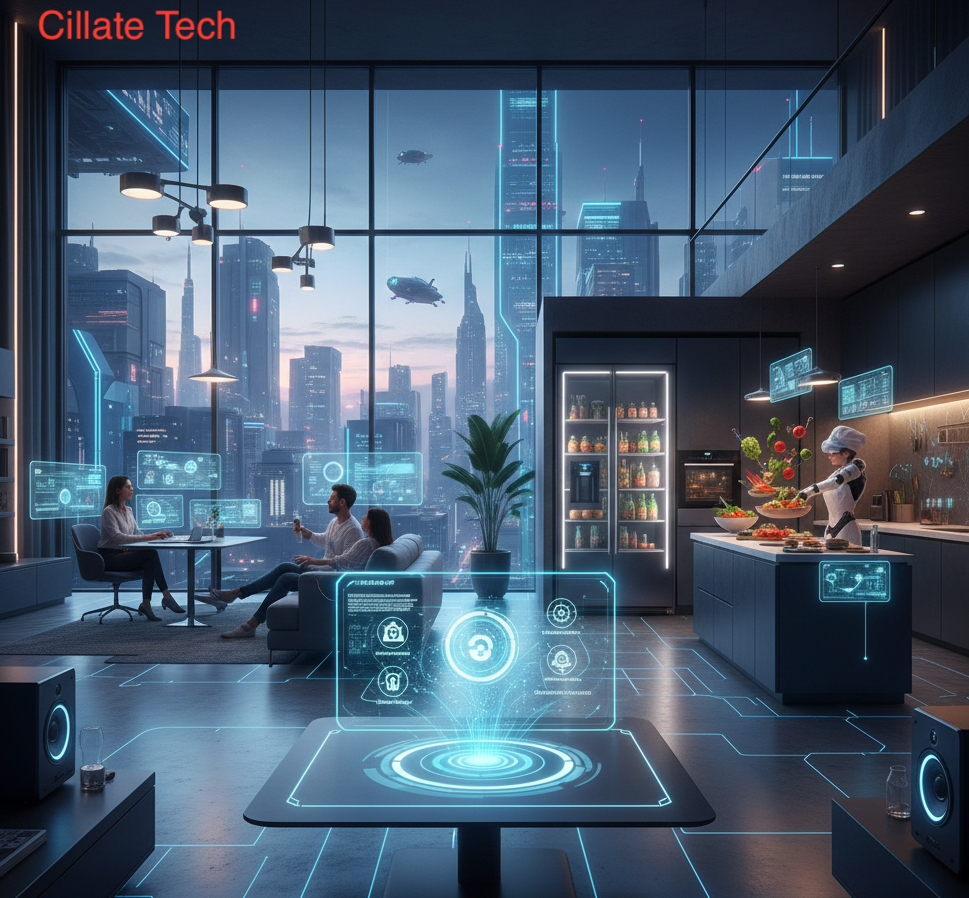
Smart homes have evolved from simple automation experiments into intelligent, interconnected ecosystems. Once considered futuristic luxuries, these homes now integrate Artificial Intelligence (AI) and the Internet of Things (IoT) to deliver enhanced comfort, efficiency, and security. Modern smart homes don’t just respond—they anticipate, adapt, and personalize the living experience. This article explores the journey of smart homes, the technologies driving them, and the lifestyle transformations they bring.
The Origins of Home Automation
The concept of home automation began modestly, with early devices designed to make life slightly easier. Programmable thermostats, automatic lighting timers, and basic security systems offered convenience but lacked true intelligence or connectivity.
During this period, devices operated in isolation—thermostats could not communicate with lights, and cameras were independent of alarms. However, these early innovations laid the groundwork for today’s connected and intelligent home systems, introducing the idea that homes could actively assist residents.
IoT: The Backbone of Connected Living
The arrival of IoT technology transformed the way devices interact. Everyday objects such as refrigerators, lighting systems, locks, and cameras began connecting to the internet, allowing them to communicate and share data seamlessly.
Through IoT, homeowners can now manage multiple devices from a single app or hub. Smart lights adjust automatically based on room occupancy, and thermostats optimize energy usage based on personal habits. This interconnectivity not only improves convenience but also enhances efficiency and personalization in day-to-day living.
Artificial Intelligence: Adding Intelligence to Automation
While IoT provides connectivity, AI introduces intelligence. AI-powered smart home systems learn from user behavior, analyze patterns, and make autonomous decisions to improve comfort and efficiency.
Voice assistants like Alexa, Google Assistant, or Siri coordinate household tasks, from managing schedules to controlling appliances. AI also enables predictive maintenance, alerting homeowners about potential issues before they escalate. This combination of learning and automation distinguishes today’s smart homes from the early automated systems of the past.
Enhancing Safety and Security
Security remains a cornerstone of smart home innovation. Advanced systems leverage AI and IoT to provide real-time monitoring, threat detection, and automated protection.
Smart cameras identify unusual activity, alert homeowners, and even differentiate between harmless events and genuine security threats. Smart locks offer keyless entry with individualized access codes, while environmental sensors track smoke, water leaks, and air quality. Together, these technologies create safer living spaces while providing peace of mind, whether residents are home or away.
Energy Efficiency and Sustainable Living
Smart homes are increasingly contributing to energy conservation and sustainability. Intelligent systems monitor energy consumption, manage lighting, and regulate heating and cooling to reduce waste.
Integration with solar panels and smart grids allows for efficient energy storage and distribution, while real-time usage tracking helps homeowners lower utility costs. This approach aligns modern living with eco-friendly practices, proving that smart technology can benefit both convenience and the environment.
Lifestyle and Entertainment Enhancements
Connected homes also redefine daily life and entertainment. Smart speakers, TVs, and home theaters can synchronize seamlessly across spaces, all controlled by voice or apps.
Routine tasks are simplified as refrigerators track groceries, ovens preheat automatically, and robotic vacuum cleaners maintain floors autonomously. By integrating AI and IoT into everyday living, smart homes allow homeowners to focus on more meaningful activities while maintaining convenience and control.
Looking Ahead: The Future of Smart Homes
The future of smart homes promises even greater sophistication. Emerging technologies like 5G, augmented reality, and robotics will enable homes to anticipate needs, manage resources autonomously, and integrate with broader smart city networks.
Next-generation homes will not only respond to commands but predict and adapt to user preferences in real time, creating environments that are both intuitive and proactive.
Living Smarter, Safer, and Greener
From early automation experiments to AI-driven, IoT-connected ecosystems, smart homes have transformed how we live. Today’s smart homes offer enhanced convenience, security, energy efficiency, and lifestyle personalization.
As technology continues to advance, homes will increasingly anticipate and adapt to our needs, turning the dream of a fully connected, intelligent living space into reality. The evolution of smart homes illustrates how innovation can seamlessly integrate into everyday life, making homes smarter, safer, and more sustainable.