
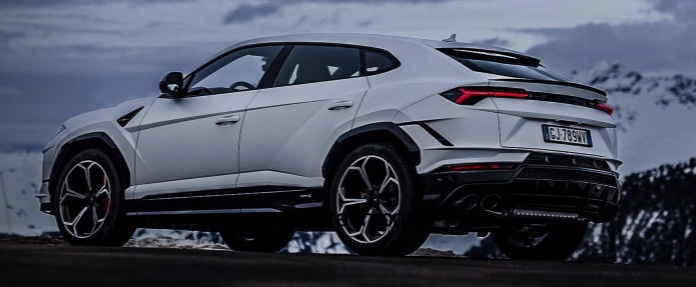
In the modern automobile market, SUVs (Sports Utility Vehicles) have become a symbol of status, comfort, and versatility. With their spacious interiors, powerful engines, and commanding road presence, SUVs appeal to a wide range of consumers. Families, adventurers, and urban commuters alike are drawn to these vehicles for their practicality and image. However, as the popularity of SUVs has surged, so have concerns about their environmental impact. The debate is heating up: can a car designed for luxury coexist with the pressing need for sustainability, or is the SUV inherently at odds with ecological responsibility?
The Rise of SUVs
Over the past two decades, SUVs have transitioned from niche off-road vehicles to mainstream automobiles. Automakers have responded to growing consumer demand by producing a wide array of models, ranging from compact crossovers to full-sized luxury SUVs. In many markets, SUVs now outsell traditional sedans, highlighting their dominance in both urban and suburban landscapes. Their combination of space, style, and perceived safety has made them a preferred choice for millions, reinforcing their status as a status symbol and lifestyle statement.
Despite their appeal, the surge in SUV popularity comes with consequences. These vehicles are generally heavier, larger, and less fuel-efficient than smaller cars, meaning they consume more fuel per mile and produce higher greenhouse gas emissions. According to environmental studies, SUVs account for a significant proportion of the increase in transportation-related carbon emissions globally. As governments and scientists push for stricter environmental regulations, the SUV’s environmental footprint is under increasing scrutiny.
Fuel Consumption and Carbon Emissions
One of the most visible environmental concerns associated with SUVs is fuel consumption. Larger engines, higher vehicle weight, and increased aerodynamic drag mean that SUVs burn more fuel than sedans or compact cars. A standard SUV can consume 20–50% more fuel than an average sedan for the same distance, depending on engine type and driving conditions. This higher fuel consumption directly contributes to elevated carbon dioxide emissions, a leading cause of climate change.
Moreover, many luxury SUVs are equipped with high-performance engines designed for power rather than efficiency. While these engines provide impressive acceleration and towing capacity, they also consume more gasoline or diesel. In regions where fuel prices are subsidized or environmentally friendly alternatives are scarce, these vehicles can exacerbate both economic and ecological pressures. Every time an SUV is driven, it contributes more to air pollution, carbon emissions, and overall environmental degradation compared to smaller, fuel-efficient vehicles.
Urban Congestion and Air Quality
SUVs not only impact emissions but also affect urban environments in other ways. Their larger size contributes to traffic congestion, occupying more road space and parking areas. In dense cities, the prevalence of SUVs can worsen traffic jams, increasing idling time and, consequently, air pollution. Exhaust emissions from SUVs contain pollutants such as nitrogen oxides and particulate matter, which negatively affect public health by contributing to respiratory and cardiovascular problems.
The shift toward larger vehicles also has social implications. Streets and parking infrastructure designed for smaller cars must be adapted to accommodate SUVs, often at the expense of pedestrian spaces and cycling lanes. This urban design challenge highlights the tension between personal comfort and collective environmental responsibility.
The Appeal of Luxury vs. Ecological Responsibility
The environmental criticism of SUVs often clashes with their appeal as luxury items. Many consumers view these vehicles as symbols of success, freedom, and adventure. High-end SUVs come with state-of-the-art features, premium interiors, and cutting-edge technology, making them desirable not just for functionality but for prestige. For some, the status associated with owning a luxury SUV outweighs environmental considerations, highlighting a societal challenge: how to balance personal aspirations with global sustainability goals.
Automakers have attempted to address this tension by introducing hybrid and electric SUV models. These vehicles aim to combine the benefits of luxury, space, and performance with lower emissions and improved energy efficiency. However, electric SUVs often come with higher costs, limiting accessibility, and their production still involves environmental trade-offs, particularly in battery manufacturing and disposal. The question remains: can SUVs ever truly be sustainable, or will they always carry an inherent ecological burden?
Alternatives and Sustainable Options
Consumers and manufacturers are exploring alternatives to mitigate the environmental impact of SUVs. Smaller crossovers, plug-in hybrids, and fully electric SUVs offer options with reduced emissions and improved efficiency. Innovations such as regenerative braking, lightweight materials, and aerodynamic design further enhance fuel efficiency and lower carbon footprints. Governments worldwide are incentivizing the adoption of cleaner vehicles through subsidies, tax breaks, and stricter emission standards.
Another approach is promoting shared mobility. Car-sharing programs and ride-hailing services allow consumers to access SUVs when needed without owning them, reducing the total number of vehicles on the road. This model addresses both environmental concerns and urban congestion, offering a more sustainable way to enjoy the benefits of SUVs without the full ecological cost.
The Role of Consumer Awareness
Consumer choices play a critical role in shaping the environmental impact of SUVs. Awareness about fuel efficiency, carbon emissions, and sustainable alternatives can influence purchasing decisions. While luxury and status are powerful motivators, education and social responsibility can shift preferences toward greener options. Public campaigns, transparent vehicle ratings, and environmental certifications help buyers make informed choices, encouraging the adoption of eco-friendlier SUVs without compromising lifestyle desires.
Broader Implications for Climate Change
The environmental footprint of SUVs has broader implications in the fight against climate change. Transportation is one of the largest contributors to global greenhouse gas emissions, and the rise of fuel-intensive vehicles like SUVs undermines progress toward carbon reduction targets. Each additional SUV on the road represents not just personal convenience but a collective challenge for climate mitigation efforts. As urban populations grow and mobility demand increases, the cumulative impact of these vehicles becomes significant, making it essential to find sustainable solutions.
Balancing Comfort with Responsibility
The popularity of SUVs highlights a fundamental tension between personal comfort, luxury, and ecological responsibility. These vehicles offer space, safety, and prestige, but they also contribute disproportionately to carbon emissions, air pollution, and urban congestion. As the automotive industry evolves, hybrid and electric SUVs, alongside smarter urban planning and consumer education, offer hope for reconciling luxury with sustainability.
Ultimately, the question is not whether people will continue to enjoy SUVs, but how they can do so responsibly. By choosing cleaner technologies, embracing shared mobility, and prioritizing environmental awareness, it is possible to enjoy the benefits of these versatile vehicles while reducing their impact on the planet. The future of SUVs lies not just in horsepower or luxury but in aligning personal desires with the collective need for a sustainable and healthy environment.