The Uncanny Valley was not the downfall of robotics; economics played the leading role.
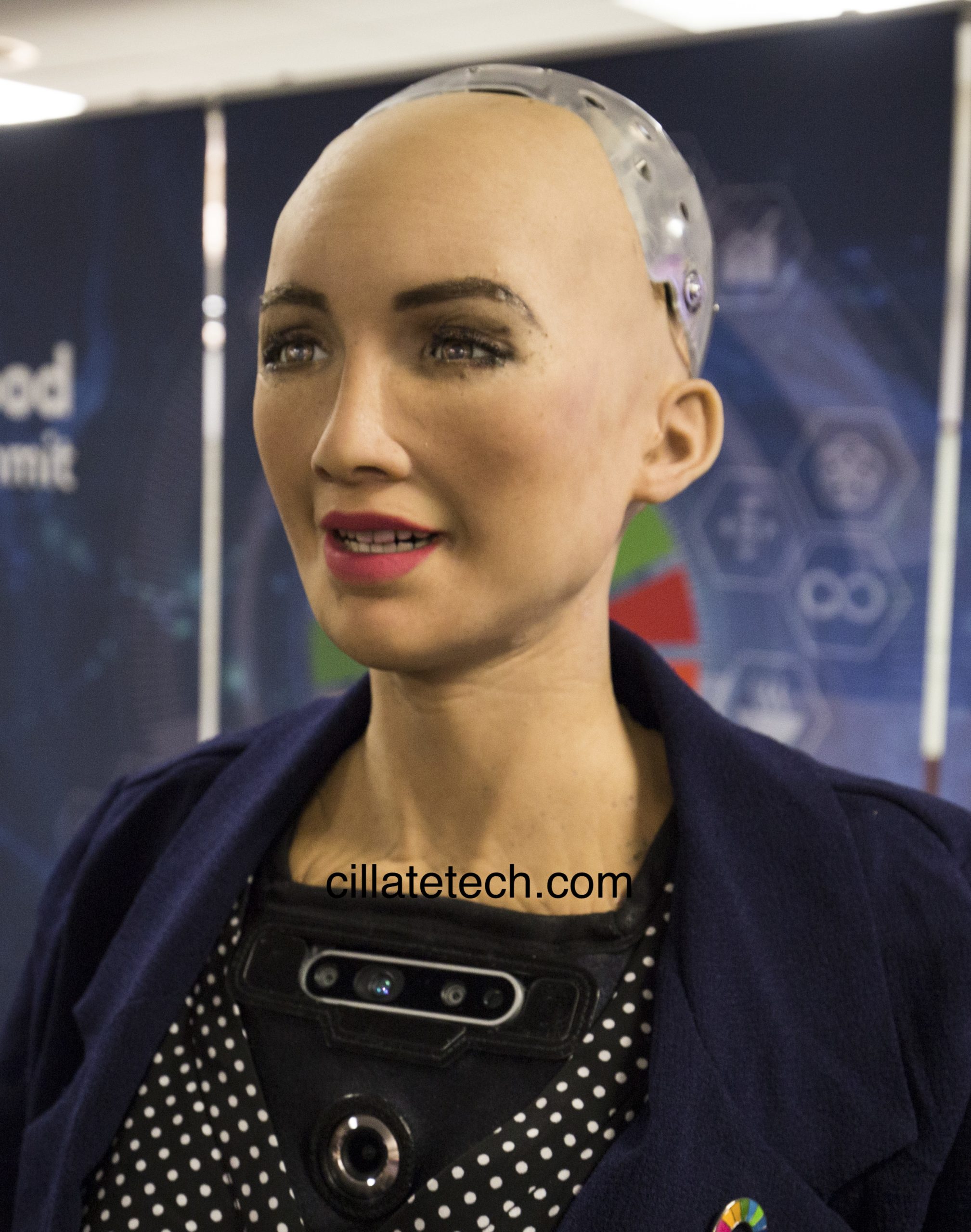
For years, the narrative surrounding robotics has been dominated by charm. The robots that captured public fascination boasted expressive eyes, carefully crafted voices, and names reminiscent of animated characters. They waved to crowds, engaged audiences with Q&A sessions, and posed for pictures, designed to feel approachable and almost relatable.
However, while these “cute” social robots stole the spotlight, a quieter transformation was taking place in warehouses and automotive factories. Here, a different breed of humanoid robot was under evaluation—faceless, industrial, engineered for durability and efficiency rather than charm. These machines were not intended for entertainment; their purpose was to work.
The outcome of this competition has become increasingly clear.
The Emergence of Social Robots
The initial wave of commercially visible humanoid robots emphasized human likeness. Developers believed that familiarity would facilitate adoption. If a robot could smile, gesture naturally, and engage in conversation, people would be more inclined to welcome it into stores, hospitals, and homes.
In theory, this approach was sound. Human-centered design has long championed empathy and emotional connection. Companies envisioned that social robots could enhance customer engagement, elevate service interactions, and represent brands in a futuristic manner.
Yet, the commercial results did not align with the initial excitement. Retail environments found it challenging to quantify tangible revenue increases. Hospitality venues faced high maintenance costs relative to their impact. Businesses discovered that novelty wears off quickly, and novelty alone does not justify long-term investment.
The fundamental issue was not a lack of technical capability; it was a lack of economic clarity.
The Missing Business Case
Technology thrives in business settings when it addresses quantifiable issues. It must either boost revenue, reduce costs, enhance safety, or improve efficiency in measurable ways.
Many social robots struggled to demonstrate this kind of value. Although they showcased impressive feats of engineering and artificial intelligence, their contributions to operational performance were often indirect or challenging to assess.
When budgets are scrutinized, decision-makers seek predictable returns. If a robot’s primary role is engagement or brand differentiation, it competes with marketing budgets rather than operational ones. This distinction is crucial. Operational budgets are sustained by necessity, while marketing budgets fluctuate based on strategy and sentiment.
Without a clear, repeatable return on investment, widespread adoption faltered.
The Shift Toward Industrial Solutions
Simultaneously, labor shortages, rising costs, and workplace safety concerns intensified in manufacturing and logistics. Companies sought solutions that could operate reliably within structured environments.
Industrial humanoids emerged to meet these pressing needs.
Unlike traditional fixed robotic arms, humanoid robots offer unparalleled flexibility. Since factories are designed around the human form—standardized tool heights, ladder access, assembly layouts—a robot with two arms and upright mobility can adapt without necessitating a complete overhaul of existing infrastructure.
This compatibility is vital. Retrofitting facilities can be both costly and disruptive. A humanoid robot that integrates seamlessly into existing workflows lowers the barriers to adoption.
More importantly, these robots are evaluated based on concrete metrics:
- Cycle time
- Error rates
- Uptime
- Reduction of workplace injuries
- Labor cost offset
Their assessment is focused on performance rather than personality. The Victory of Simplicity
Eliminating expressive faces and complex social behaviors was not a regression; it was a strategic simplification.
Facial mechanisms, advanced expressive systems, and conversational interfaces increase engineering complexity and maintenance demands. In industrial environments, every additional component represents a potential failure point.
By concentrating on strength, mobility, precision, and system integration, developers of industrial humanoids streamlined their designs to prioritize reliability. A neutral exterior also clarifies expectations: the machine is clearly a tool, not a companion. This clarity aids in aligning stakeholder understanding of its purpose.
In essence, industrial humanoids are optimized for utility rather than relatability.
Insights on Product Strategy
The divergence between social robots and industrial humanoids illustrates a broader trend in technology markets. Early-stage innovations often prioritize visibility. Captivating demonstrations attract media attention and build momentum. However, long-term adoption hinges on integration and measurable value.
Successful products at scale typically share three key characteristics:
- They address urgent problems.
- They fit into existing systems with minimal friction.
- Their benefits can be quantified.
While the social robotics wave excelled in capturing the imagination, industrial humanoids excelled in implementation.
This distinction elucidates the current trajectory. The Future of Humanoid Robotics
This does not imply that socially interactive robots lack potential. There may be significant applications in education, elder care, therapy, or entertainment. However, these markets necessitate careful validation of long-term value and sustainable economics.
Currently, the most rapid advancements in humanoid robotics are occurring in environments where outcomes can be measured and tasks are structured. Factories, warehouses, and logistics centers provide precisely that context.
As artificial intelligence continues to enhance perception, planning, and motion control, industrial humanoids may expand into increasingly complex tasks. Nevertheless, their success will likely remain defined by productivity metrics rather than personality traits.
The decline of “cute” robots was not a rejection of human likeness; it was a testament to market discipline. Businesses prioritize efficiency, safety, and cost-effectiveness. When technology delivers on these fronts, adoption follows.
Industrial humanoids have gained traction because they align with genuine operational needs. They seamlessly integrate into established workflows, address labor challenges, and yield measurable outcomes.
Ultimately, the robotics industry has gleaned a pragmatic lesson: admiration does not sustain deployment—utility does.
As organizations invest in the next generation of intelligent systems, the central question remains clear:
Will the technology generate measurable value where it is most needed?