The Allure of a Smarter Lifestyle
In today’s world, convenience is often considered a valuable asset. With a simple tap, swipe, or spoken command, technology promises to make life easier, faster, and more interconnected. Smart homes adjust lighting and temperature automatically, fridges alert users to spoiled food, and wearable devices track health in real time.
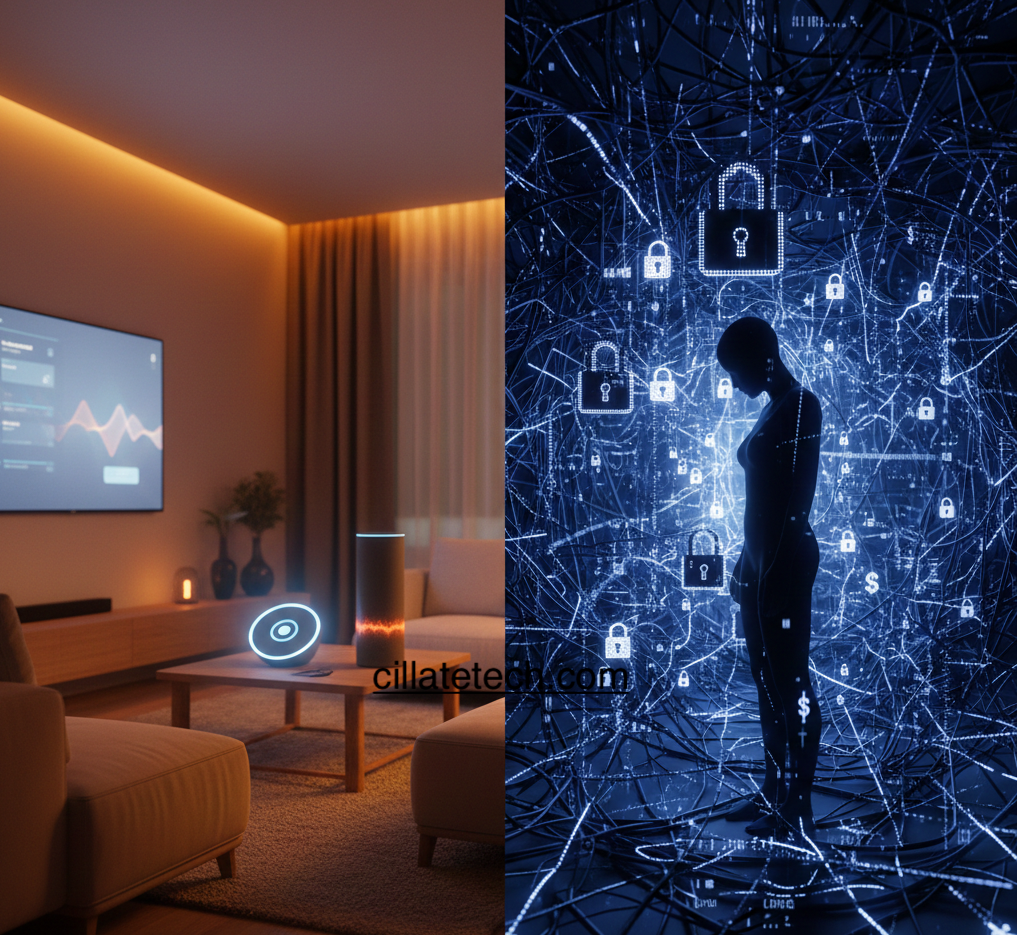
At first glance, these tools appear as marvels of modern innovation—enhancing comfort and efficiency effortlessly. But behind the polished interface lies a more complicated reality: are we truly in command of these “smart” devices, or have we traded control for convenience?
Why Smart Technology Appeals
Streamlined Efficiency
Smart devices are built to predict and respond to human needs. Thermostats learn daily schedules, lights adjust automatically, and virtual assistants manage calendars. The main appeal is obvious: save time and optimize resources effortlessly.
Seamless Interconnectivity
Phones, cars, appliances—all increasingly operate within the Internet of Things (IoT), communicating and coordinating with one another. This integration allows devices to function in harmony, promising convenience at every touchpoint.
The Promise of an Elevated Lifestyle
Marketing around smart devices emphasizes luxury, status, and enhanced lifestyle. Early adopters are portrayed as tech-savvy individuals who gain efficiency and comfort with minimal effort.
Financial Implications Often Overlooked
High Initial Costs
Smart devices typically cost more than their traditional counterparts. A basic thermostat or light switch may be inexpensive, but smart versions often carry a significant premium. The allure of convenience can obscure these upfront expenses.
Ongoing Fees
Many devices rely on subscription-based apps or cloud services. These recurring costs, combined with software updates and proprietary components, can accumulate over time and exceed the initial purchase price.
Short Product Lifespan
Rapid technological advancement means devices can quickly become outdated. A gadget that works well today may lose functionality or compatibility in just a few years, pressuring consumers to replace them sooner than expected.
The Hidden Cost of Data and Privacy
Constant Data Collection
Smart devices collect extensive personal data—from voice commands to daily routines. While companies claim this improves user experience, the same information can be monetized for marketing or accessed by malicious actors.
Influence on Behavior
Data-driven algorithms can shape decisions, from suggesting purchases to nudging lifestyle choices. Even when subtle, this influence raises questions about autonomy and the degree to which convenience compromises independent decision-making.
Cybersecurity Concerns
Every connected device is a potential vulnerability. A compromised smart home system can leak personal data, enable theft, or even threaten physical safety. Convenience often comes with the hidden responsibility of maintaining digital security.
Psychological and Social Consequences
Overreliance on Automation
When technology solves problems automatically, basic skills such as memory, problem-solving, or critical thinking may decline over time. Dependence on devices can diminish human self-sufficiency.
Changing Norms Around Privacy
Frequent data collection can normalize surveillance, subtly shifting expectations of privacy and influencing social behavior.
Potential Social Isolation
While smart devices are designed to connect people, excessive reliance on automated interactions may reduce genuine social engagement and weaken personal relationships.
Environmental Considerations
Energy Usage
Though marketed as energy-efficient, smart devices require constant connectivity, which demands significant power from data centers, contributing to environmental impact.
Electronic Waste
Rapid device turnover generates substantial e-waste. Components are often difficult to recycle, and the production-to-disposal lifecycle creates hidden environmental costs.
Rethinking Smart Living
Digital Awareness
Consumers should understand the trade-offs of convenience. Digital literacy includes awareness of data collection, subscriptions, and long-term costs versus novelty.
Mindful Integration
Smart technology is most effective when used selectively. Prioritizing devices that genuinely improve life, rather than impress, reduces unnecessary spending and dependence.
Balancing Convenience and Independence
The goal is not to reject technology but to maintain control. Setting limits, securing devices, and making conscious choices ensures convenience doesn’t come at the cost of autonomy.
Understanding the Real Price of Convenience
Smart technology presents a paradox: it can free time and simplify tasks while subtly diminishing control. While the benefits—efficiency, integration, and lifestyle enhancement—are real, the hidden costs in finances, privacy, mental well-being, and the environment deserve careful thought.
True “smart living” isn’t just about the gadgets; it’s about the conscious decisions we make in using them. The challenge is to embrace innovation thoughtfully, maintaining both comfort and control.