The connection between farming and technology has changed dramatically in recent decades, shifting from traditional, labor-heavy methods to modern, data-driven approaches. In the past, agriculture relied heavily on farmers’ experience, intuition, and natural seasonal patterns. Today, however, it is increasingly influenced by advanced tools such as artificial intelligence, automation, and real-time data analysis. This evolution—commonly known as smart agriculture or precision farming—is not just about using better tools; it represents a complete transformation in the way food is grown, managed, and supplied. With the global population steadily increasing and environmental challenges becoming more severe, the adoption of technology in agriculture has become a necessity rather than a choice. Innovations such as drones, sensors, and intelligent systems are empowering farmers to make informed decisions, reduce waste, and significantly boost productivity.
One of the most significant advancements in modern farming is the integration of the Internet of Things (IoT). IoT-based devices, including soil sensors, weather monitoring systems, and crop health trackers, gather real-time data directly from the field. This continuous flow of information helps farmers understand the exact needs of their crops at specific moments, eliminating the reliance on guesswork. For example, instead of irrigating an entire farm evenly, farmers can apply water only where it is required, ensuring efficient usage of resources. This not only conserves water but also enhances the overall yield and quality of crops. Additionally, IoT systems can detect early signs of issues such as pest attacks or nutrient shortages, allowing farmers to respond quickly and reduce the excessive use of chemicals like fertilizers and pesticides.
Artificial intelligence and machine learning have further elevated agricultural efficiency by providing predictive insights based on complex datasets. These technologies can analyze information such as weather forecasts, soil quality, and historical farming records to guide decision-making. For instance, AI can determine the most suitable time for planting and harvesting, helping farmers avoid risks associated with unpredictable weather. Moreover, AI-driven image recognition tools can identify plant diseases by analyzing images captured through smartphones or drones. This allows for faster diagnosis and timely treatment, often before visible symptoms appear. As these systems process more data over time, their accuracy improves, making them increasingly reliable and beneficial for farmers.
Another groundbreaking development in agriculture is the use of drones and satellite technology. Drones equipped with advanced cameras and sensors can survey farmland and capture detailed images that reveal variations in crop health, soil conditions, and moisture levels. This provides farmers with a comprehensive understanding of their fields. On a larger scale, satellite imagery offers a broader perspective, enabling monitoring of vast agricultural areas. These technologies support precision farming practices, where resources like water, fertilizers, and pesticides are applied only where necessary. This targeted approach reduces operational costs while also minimizing environmental harm. Furthermore, drones can assist in various farming activities, including seed planting, crop spraying, and even pollination, thereby reducing manual effort and increasing efficiency.
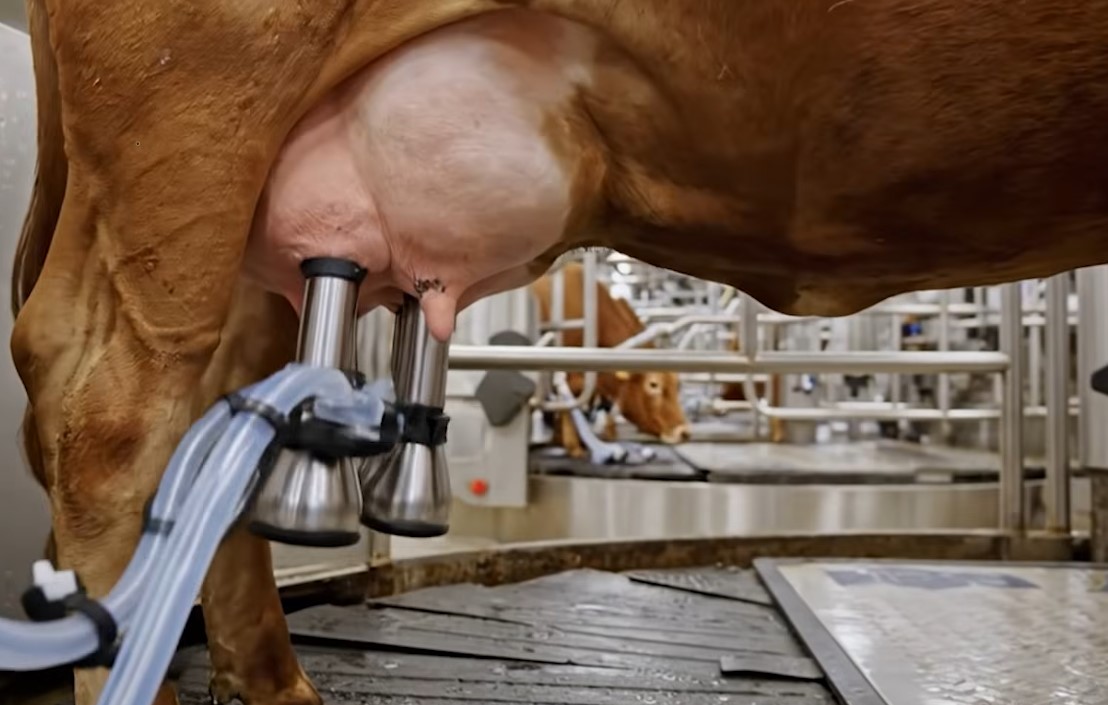
Automation and robotics are also reshaping the agricultural landscape by reducing dependence on human labor. Modern farms are increasingly using autonomous machinery such as self-driving tractors, robotic harvesters, and automated irrigation systems. These machines can perform tasks with high accuracy and consistency, often surpassing human capabilities. For example, robotic harvesters can carefully identify and pick ripe produce without causing damage, ensuring better quality and less waste. Similarly, smart irrigation systems can regulate water distribution based on real-time field data. Although the initial investment in such technologies can be substantial, the long-term benefits—such as reduced labor costs, improved productivity, and greater efficiency—make them highly valuable for many agricultural operations.
Blockchain technology is emerging as a powerful tool in agriculture, particularly in improving transparency and trust within the food supply chain. By maintaining a secure and unchangeable digital record of transactions, blockchain allows every stage of food production to be tracked—from cultivation to consumption. This enables consumers to verify the origin and quality of their food. For farmers, it provides better market access and reduces dependence on intermediaries by building trust directly with buyers. It also ensures fair pricing by accurately recording transactions. Additionally, blockchain technology can help address food safety concerns by quickly identifying sources of contamination, thereby improving response times during food recalls.
As climate change continues to impact agriculture, technology is playing a crucial role in helping farmers adapt. Advanced weather forecasting tools provide accurate predictions, allowing farmers to plan their activities more effectively. Innovations in biotechnology have led to the development of drought-resistant crops, which are essential for regions facing water scarcity. Smart water management systems and efficient irrigation technologies are also helping conserve valuable resources. Furthermore, renewable energy solutions, such as solar-powered farming equipment, are reducing dependence on fossil fuels while lowering operational expenses. By adopting these technologies, farmers can build more resilient systems capable of coping with environmental challenges.
Despite its advantages, the adoption of technology in farming is not without obstacles. High costs remain a major barrier, especially for small-scale farmers in developing regions. Limited access to internet connectivity and technical knowledge further restricts the use of digital farming tools. Additionally, farmers may require training to effectively implement and manage these technologies. Concerns about data privacy and security are also increasing as agriculture becomes more digitized. To overcome these challenges, collaboration between governments, private sectors, and technology providers is essential to develop affordable, accessible, and user-friendly solutions.
In the future, agriculture will continue to evolve through innovation and the integration of emerging technologies. Methods such as vertical farming, hydroponics, and aquaponics are redefining food production by enabling farming in urban areas and regions with limited land. Advances in genetic engineering are producing crops that are more resilient, nutritious, and sustainable. At the same time, the combination of AI, IoT, and robotics is paving the way for fully automated farming systems. As these developments progress, the role of farmers will shift from manual labor to strategic planning and technological management. Ultimately, the integration of technology into agriculture promises a more efficient, sustainable, and secure food system for the future.