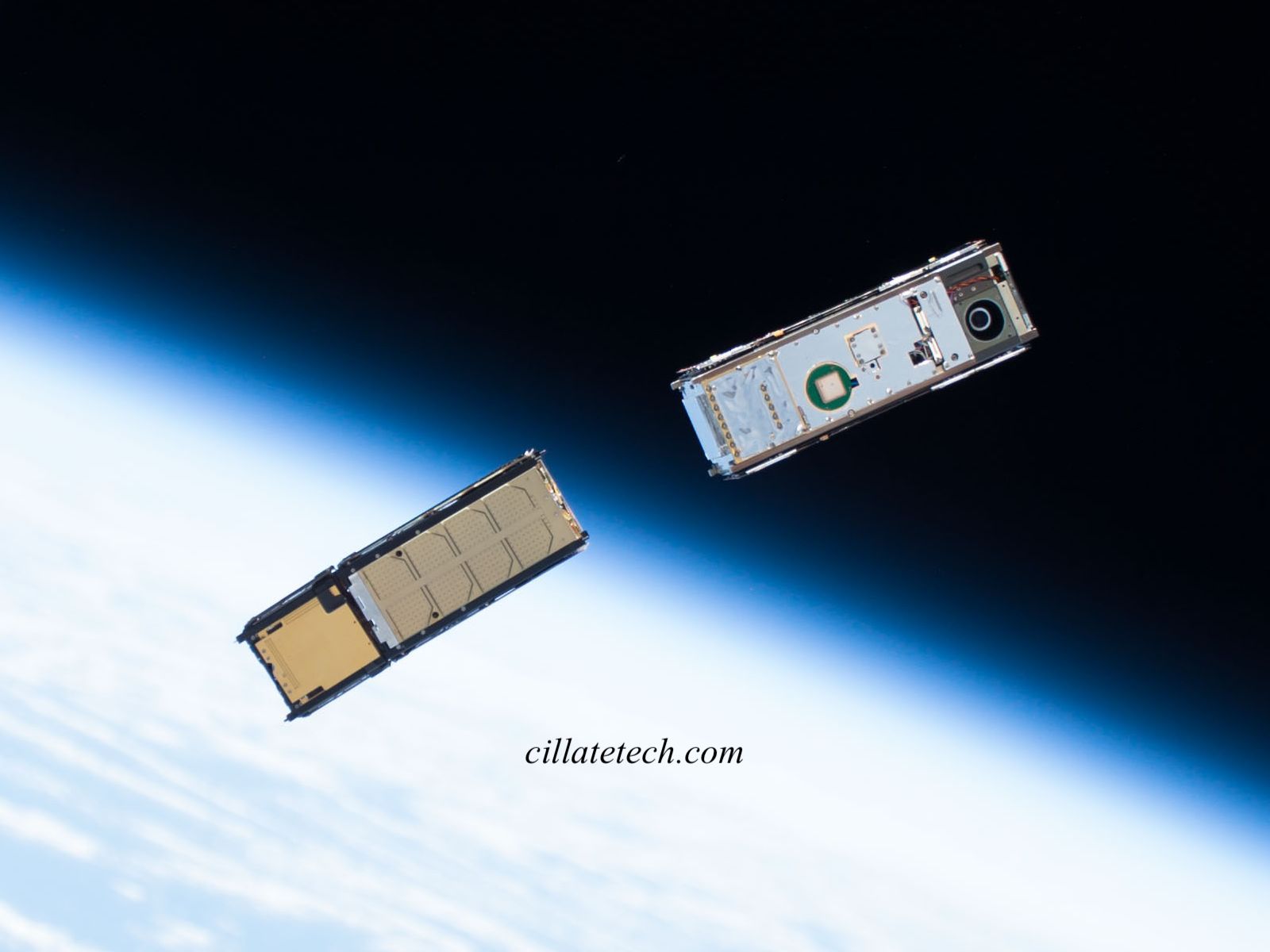
In modern warfare, control of the skies is no longer limited to fighter jets and bombers. Satellites orbiting thousands of kilometers above the Earth play a crucial role in gathering intelligence, guiding missiles, and ensuring secure communication. Satellite technology allows militaries to monitor enemy movements in real time, predict strategic outcomes, and coordinate operations across vast distances. In essence, the nation that dominates satellite capabilities often holds a significant advantage on the battlefield, as space has become a new and critical theater of military operations.
Surveillance and Reconnaissance
One of the primary applications of satellites in warfare is surveillance and reconnaissance. High-resolution imaging satellites can capture detailed photographs of enemy bases, troop deployments, and infrastructure, often in near real time. Synthetic Aperture Radar (SAR) satellites can even penetrate clouds, darkness, or adverse weather conditions to provide continuous monitoring. This persistent intelligence allows commanders to make informed decisions, anticipate enemy actions, and plan precise strikes, fundamentally changing the dynamics of strategic planning.
Satellite-Guided Weapons
Modern missiles, artillery, and drone systems increasingly rely on satellite-based navigation for precision targeting. The Global Positioning System (GPS) and other navigation satellites enable weapons to hit targets with incredible accuracy, reducing collateral damage and improving operational efficiency. This precision-guided capability ensures that militaries can conduct effective operations even in complex or unfamiliar terrain, making satellite control a critical factor in the success of military campaigns.
Communications and Coordination
Satellites are also essential for secure military communications. They allow real-time voice, data, and video transmission across continents, enabling coordinated operations between ground forces, naval fleets, and air units. In remote or contested regions where terrestrial communication networks may be limited or disrupted, satellites provide the backbone for uninterrupted command and control. Additionally, encrypted satellite communications protect sensitive information from interception by adversaries, ensuring operational security.
Early Warning and Missile Defense
Satellites play a vital role in missile defense systems by detecting the launch of ballistic missiles and tracking their trajectories. Early warning satellites equipped with infrared sensors can identify heat signatures from missile launches, giving nations critical time to respond or deploy countermeasures. This capability is essential for maintaining national security and deterring adversaries, as it reduces the element of surprise and enhances strategic stability.
The Weaponization of Space
With the increasing reliance on satellites, space itself has become a potential battleground. Nations are developing technologies to disrupt or destroy enemy satellites, such as anti-satellite (ASAT) weapons, electronic jamming, and cyberattacks. Controlling or neutralizing an opponent’s satellite network can severely impair their intelligence, navigation, and communication capabilities, providing a significant advantage in conflict. This growing focus on space militarization underscores the strategic importance of satellites in modern warfare.
Strategic and Global Implications
Dominance in satellite technology extends beyond battlefield advantage; it also shapes global power dynamics. Nations with advanced satellite capabilities can project influence worldwide, monitor global military activities, and secure critical resources. The United States, China, and Russia are among the leading powers investing heavily in military satellite infrastructure, while emerging powers strive to develop independent space capabilities. Control of satellite technology, therefore, is not just a tactical asset—it is a strategic tool that shapes geopolitical outcomes.
Challenges and Vulnerabilities
While satellites provide tremendous advantages, they also present vulnerabilities. Satellites are susceptible to cyberattacks, physical destruction from missiles or debris, and signal jamming. Space is increasingly congested, with both civilian and military satellites sharing orbital paths, raising the risk of collisions. Protecting these assets requires sophisticated defense strategies, redundancy, and international cooperation to mitigate risks while ensuring operational reliability.
Satellite technology has become an indispensable component of modern warfare, providing intelligence, navigation, communications, and early warning capabilities that can determine the outcome of conflicts. The adage “who controls the sky controls the war” is increasingly literal in an era where dominance in space translates directly into battlefield advantage. As nations continue to develop and deploy advanced satellites, the control and protection of these assets will play a defining role in global security and the future of warfare.