The advent of CRISPR-Cas9 technology has marked a turning point in the field of modern science, offering an unprecedented level of precision in gene editing. This revolutionary tool has the potential to eradicate genetic disorders, improve agricultural productivity, and even modify human traits in ways previously confined to the realm of science fiction. Yet, alongside these extraordinary possibilities comes a host of ethical challenges that scientists, lawmakers, and society at large must confront with caution and foresight. The rapid pace of innovation necessitates a careful balance between scientific ambition and moral responsibility.
CRISPR and Its Transformative Impact
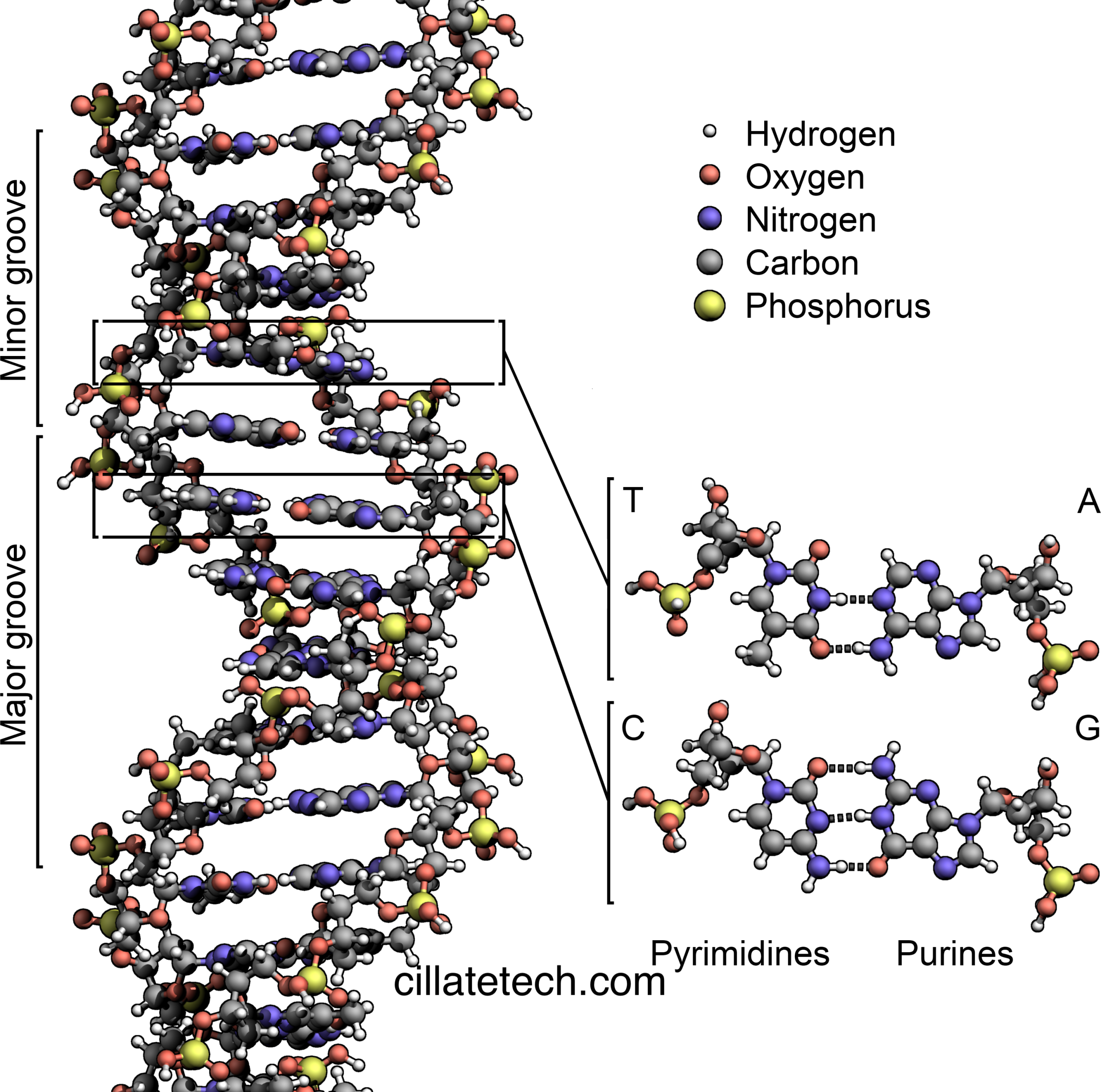
CRISPR, short for Clustered Regularly Interspaced Short Palindromic Repeats, is a groundbreaking gene-editing system that enables scientists to precisely modify DNA sequences. Unlike traditional genetic engineering techniques, CRISPR is remarkably efficient, cost-effective, and accurate, allowing for targeted modifications with minimal unintended effects. Its versatility has far-reaching applications, from treating hereditary diseases and developing personalized therapies to creating genetically resilient crops and addressing environmental challenges.
The technology has the potential to redefine medicine, agriculture, and biotechnology in ways that were once unimaginable. Imagine a future where genetic diseases such as cystic fibrosis or sickle cell anemia could be eliminated before birth, or where crops could be engineered to withstand extreme climates and resist pests without relying on harmful chemicals. While these prospects are exciting, they also raise critical ethical questions that must be addressed to prevent misuse or unintended consequences.
Ethical Considerations in Gene Editing
As the power of CRISPR grows, so does the complexity of ethical dilemmas surrounding its use. Several key areas of concern include:
Human Germline Editing
One of the most debated topics is the modification of human embryos, also known as germline editing. While this could prevent the inheritance of severe genetic disorders, it also opens the door to creating “designer babies” with selected traits. Ethical discussions focus on issues of consent, equity, and long-term societal consequences. Striking the right balance between scientific progress and respect for human dignity is essential to prevent irreversible mistakes that could affect future generations.
Equity and Accessibility
Advanced gene-editing therapies come with significant costs, which could limit access to wealthier populations and exacerbate existing healthcare disparities. Ensuring that the benefits of CRISPR are distributed fairly is a central ethical concern. Without equitable access, the technology could deepen social inequalities, making responsible policy and regulation a necessity.
Environmental and Ecological Implications
CRISPR is not limited to human genetics. In agriculture and environmental science, it allows for the modification of plants, animals, and even microorganisms. While these applications hold promise for sustainable farming and ecosystem management, unintended consequences remain a real concern. Changes in one species could ripple through an ecosystem, potentially causing irreversible environmental effects. Careful oversight, extensive testing, and long-term monitoring are critical to minimize ecological risks.
Dual-Use Risks
While CRISPR has tremendous potential for healing and innovation, it also carries the risk of misuse. The same technology could theoretically be used to create harmful pathogens or bioweapons. Ethical frameworks and international collaboration are essential to ensure that CRISPR is applied responsibly and safely, and that global standards prevent malicious applications.
Regulatory Landscapes and Global Perspectives
Approaches to CRISPR regulation differ around the world. Countries like the United States and China have made rapid advances in gene-editing research, whereas others maintain strict limitations on germline editing. International organizations and scientific bodies increasingly emphasize responsible innovation, advocating for transparency, robust safety protocols, and active public engagement. By fostering a culture of ethical accountability, these regulations aim to guide the technology in a direction that maximizes benefits while minimizing harm.
Toward Responsible Innovation
Addressing the ethical challenges posed by CRISPR requires multidisciplinary collaboration among scientists, ethicists, policymakers, and society as a whole. Open discussion, clear ethical frameworks, and proactive consideration of societal impacts are essential. Gene editing offers extraordinary potential to transform medicine, agriculture, and environmental stewardship, but its promise can only be realized through responsible and ethical application. By approaching CRISPR with caution, transparency, and humanity, we can harness its power for the greater good while safeguarding future generations.