Over the past few years, remote work has evolved from a temporary adjustment into a structural shift in how societies function. What began as a response to global disruption has matured into a long-term redefinition of productivity, flexibility, and urban life. Digital collaboration platforms such as Zoom, Slack, and Microsoft Teams have made it possible for teams to operate across continents without sharing physical office space.
While conversations about remote work often focus on flexibility or employee satisfaction, a quieter transformation is unfolding beneath the surface. Fewer daily commutes mean less traffic congestion. Reduced commuting translates into lower carbon emissions. Smaller office footprints result in measurable financial savings for organizations. The ripple effects extend beyond corporate balance sheets — they touch city infrastructure, environmental sustainability, and even the psychological well-being of millions of workers.
Remote work is not simply a workplace preference; it is gradually reshaping the environmental and economic architecture of modern life.
Reclaiming the Commute: A Shift in Urban Traffic Patterns
For decades, rush hour defined city life. Highways filled before sunrise. Public transportation strained under peak demand. Urban centers revolved around synchronized work schedules that pushed millions of people into the same spaces at the same times.
Remote work has disrupted this rhythm. When employees operate from home, daily commuting declines dramatically. Even hybrid models, where workers travel only a few days per week, significantly reduce traffic density compared to full-time office attendance. Cities that once experienced gridlock during peak hours now observe smoother traffic flow and reduced congestion in certain districts.
This transformation is not merely about convenience. Traffic congestion carries measurable economic and environmental costs. Idling vehicles consume fuel inefficiently, release excessive greenhouse gases, and increase air pollution. By eliminating or reducing daily commutes, remote work helps minimize these emissions at scale. The environmental benefit may seem incremental at the individual level — one less car on the road — but multiplied by thousands or millions of workers, the collective impact becomes substantial.
The Environmental Dividend: Lower Emissions, Cleaner Air
Transportation is a major contributor to global carbon emissions. Private vehicles, buses, and trains powered by fossil fuels contribute significantly to air pollution and climate change. When remote work reduces commuting frequency, it directly lowers fuel consumption and associated emissions.
Beyond personal vehicles, office operations also carry environmental costs. Large buildings require substantial energy for heating, cooling, lighting, and ventilation. When companies downsize physical offices or adopt flexible usage models, energy demand decreases accordingly.
Remote work therefore contributes to environmental sustainability in two primary ways: by reducing transportation emissions and by lowering energy consumption in commercial real estate. The psychological dimension of this environmental shift is equally significant. Employees often report a heightened awareness of their carbon footprint when they transition to remote work. Freed from daily commuting, many feel a renewed sense of alignment between professional life and environmental responsibility. This alignment fosters a deeper emotional connection to sustainability efforts.
Corporate Savings: Rethinking the Cost of Space
Office spaces are among the largest fixed expenses for many organizations. Rent, utilities, maintenance, security, office supplies, and on-site amenities collectively represent substantial operational costs.
When companies adopt remote-first or hybrid models, these expenditures can be reduced or restructured. Some organizations have consolidated office space, shifted to shared work environments, or eliminated large headquarters entirely. Companies such as Shopify have publicly embraced digital-by-default strategies, signaling a broader shift in corporate thinking.
By decreasing reliance on expansive office real estate, organizations can redirect financial resources toward innovation, employee development, technology infrastructure, or strategic growth initiatives. Reduced overhead creates flexibility in uncertain economic climates. However, the financial implications extend beyond corporate profits. Employees also benefit from personal savings. Eliminating daily commuting reduces fuel costs, vehicle maintenance expenses, public transportation fees, and even spending on business attire or dining out. Over time, these savings contribute to improved financial resilience for households.
Urban Economics: The Changing Face of City Centers
The widespread adoption of remote work is reshaping urban economies. Central business districts once depended on daily foot traffic from office workers who patronized restaurants, cafes, and retail stores. As remote work reduces physical attendance, some local businesses experience decreased demand.
Yet the shift also stimulates new economic patterns. Residential neighborhoods see increased daytime activity. Local cafes and community co-working spaces attract remote professionals. Smaller cities and suburban areas experience renewed interest as workers prioritize affordability and quality of life over proximity to corporate headquarters.
Remote work decentralizes economic activity. Instead of concentrating commerce in a single urban core, spending disperses more evenly across regions. This redistribution may reduce pressure on overcrowded cities while revitalizing underdeveloped areas.
Infrastructure Relief and Public Health
Traffic congestion is not merely an inconvenience; it contributes to stress, respiratory problems, and long-term health risks associated with air pollution. By reducing daily vehicle usage, remote work indirectly improves public health outcomes.
Lower traffic volumes reduce accident rates, decrease noise pollution, and create safer urban environments. Public transportation systems may experience less overcrowding, improving commuter comfort for those who continue to rely on these services.
Cleaner air contributes to measurable health benefits. Reduced particulate matter in the atmosphere lowers risks of respiratory illnesses and cardiovascular conditions. While remote work alone cannot solve environmental challenges, it represents a meaningful step toward healthier urban ecosystems.
The Psychological Impact of Fewer Commutes
Beyond environmental and financial considerations lies a deeply human dimension. Commuting often consumes hours each week, draining energy and diminishing personal time. Long travel durations can lead to chronic stress, fatigue, and work-life imbalance.
Remote work restores this time. Employees reclaim hours once spent in traffic and reinvest them in family, exercise, hobbies, or rest. This reallocation of time fosters improved mental well-being and stronger personal relationships.
The emotional relief associated with eliminating stressful commutes is frequently underestimated. Many remote workers describe a sense of regained autonomy — the ability to begin the day calmly rather than hurriedly navigating congested roads. This psychological benefit contributes to sustained productivity and engagement. When employees feel less drained by logistics, they often approach tasks with greater focus and creativity.
Digital Infrastructure: The Backbone of Remote Sustainability
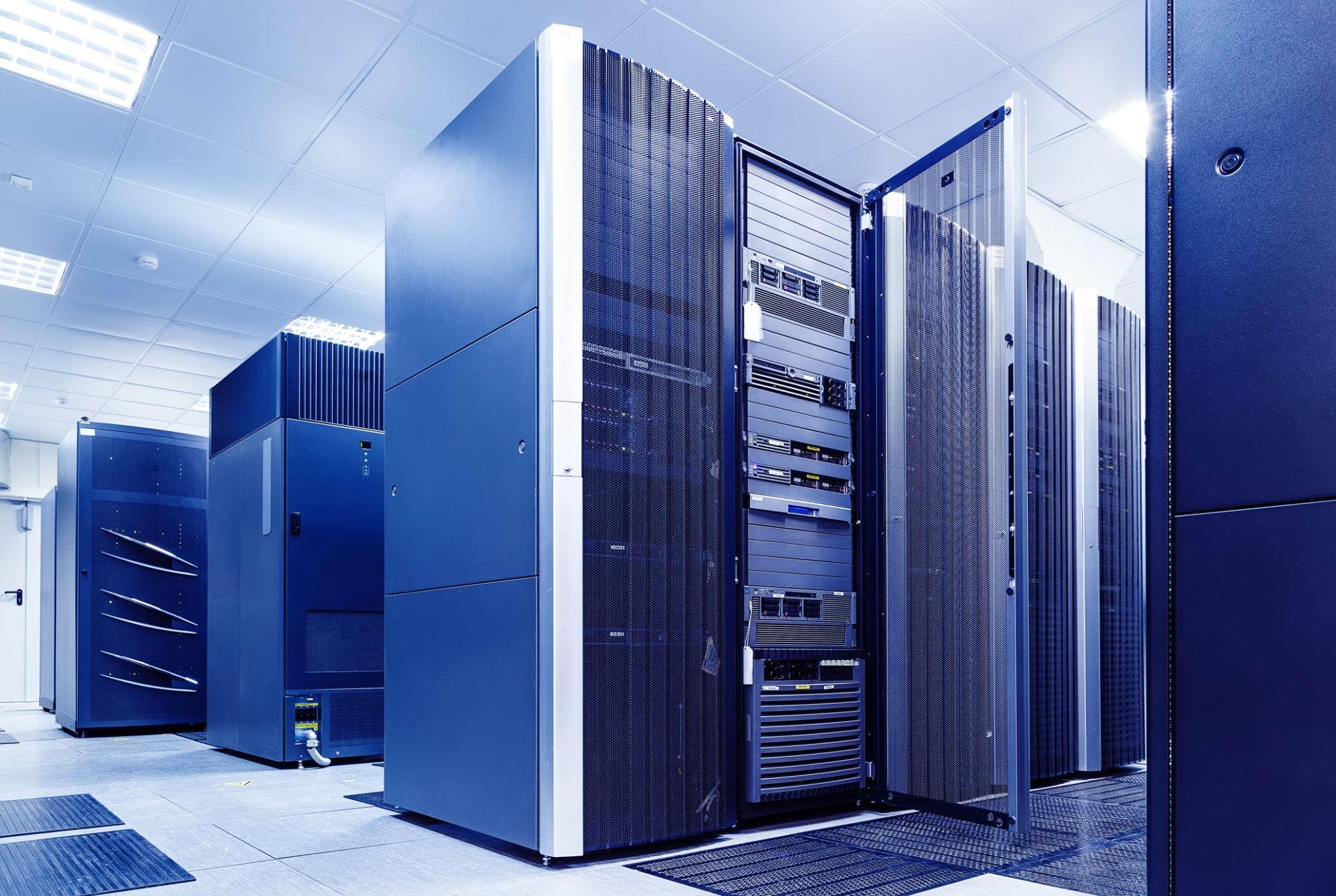
The success of remote work depends on reliable digital infrastructure. Collaboration platforms such as Zoom and Microsoft Teams enable real-time communication, while messaging systems like Slack facilitate continuous coordination.
Investment in digital tools replaces physical commuting with virtual connectivity. While data centers and internet infrastructure consume energy, technological advancements increasingly prioritize efficiency and renewable energy integration.
Organizations must balance digital expansion with sustainable practices. The long-term environmental success of remote work depends on continued innovation in green technology and responsible energy usage.
A Cultural Recalibration of Productivity
Remote work challenges traditional assumptions about productivity. For decades, physical presence was equated with commitment. Employees were evaluated not only by output but by visibility.
As organizations transition toward results-oriented performance metrics, productivity becomes more closely aligned with measurable outcomes rather than time spent at a desk. This cultural recalibration supports sustainability goals by reducing unnecessary commuting without sacrificing performance.
Companies that successfully adopt outcome-based evaluation frameworks may discover that environmental responsibility and business efficiency are not opposing forces, but complementary objectives.
Challenges and Balanced Perspectives
It is important to acknowledge that remote work is not universally applicable. Certain industries require physical presence. Manufacturing, healthcare, hospitality, and logistics cannot operate entirely remotely. Additionally, reduced foot traffic in urban centers can negatively affect local businesses dependent on office workers.
Hybrid models may offer a balanced approach, combining environmental benefits with opportunities for in-person collaboration. The key lies in strategic implementation rather than blanket adoption.
Moreover, remote work should not be romanticized as a complete solution to climate change or urban congestion. It is one component within a broader sustainability strategy that includes renewable energy adoption, public transportation investment, and responsible urban planning.
The Long-Term Environmental and Economic Horizon
The enduring question is whether remote work represents a temporary trend or a lasting transformation. Early indicators suggest that flexible work models will remain integral to modern employment structures.
As organizations refine digital collaboration strategies and employees continue to prioritize flexibility, the reduction in traffic congestion and office-related emissions may become a permanent feature of urban life.
The financial savings realized through decreased office expenses may enable companies to invest more heavily in sustainability initiatives, employee wellness programs, and innovation. This virtuous cycle has the potential to reshape corporate responsibility standards.
A Quieter, Cleaner Future
Remote work is more than a logistical adjustment; it is a systemic shift with far-reaching implications. By reducing daily commuting, it alleviates traffic congestion and lowers greenhouse gas emissions. By downsizing office footprints, it decreases operational costs and energy consumption. By redistributing economic activity, it reshapes urban dynamics.
Most importantly, it redefines how individuals experience work. Freed from the constraints of daily travel, employees gain time, flexibility, and psychological relief. Organizations gain agility and financial efficiency. Cities gain cleaner air and reduced strain on infrastructure.
The transition toward remote work does not eliminate every environmental or economic challenge, but it demonstrates how workplace innovation can generate positive externalities beyond productivity.
As societies continue to navigate climate concerns and evolving work expectations, remote work stands as a compelling example of how digital transformation can align business success with environmental responsibility. The roads may grow quieter, the air slightly cleaner, and corporate budgets more adaptable — all because work itself has learned to travel less.