A Transformative Moment in Human–Technology Integration
The concept of linking the human brain directly to digital systems was once confined to speculative fiction. Today, it stands at the frontier of applied neuroscience. Neuralink, established in 2016 by Elon Musk, is developing implantable brain–computer interface (BCI) systems designed to interpret and modulate neural activity.
While the idea provokes both optimism and caution, it is rooted in decades of neurological and biomedical research. Evaluating its true significance requires a balanced examination of its scientific foundations, therapeutic potential, technical limitations, and ethical complexity.
The Science Behind the Interface
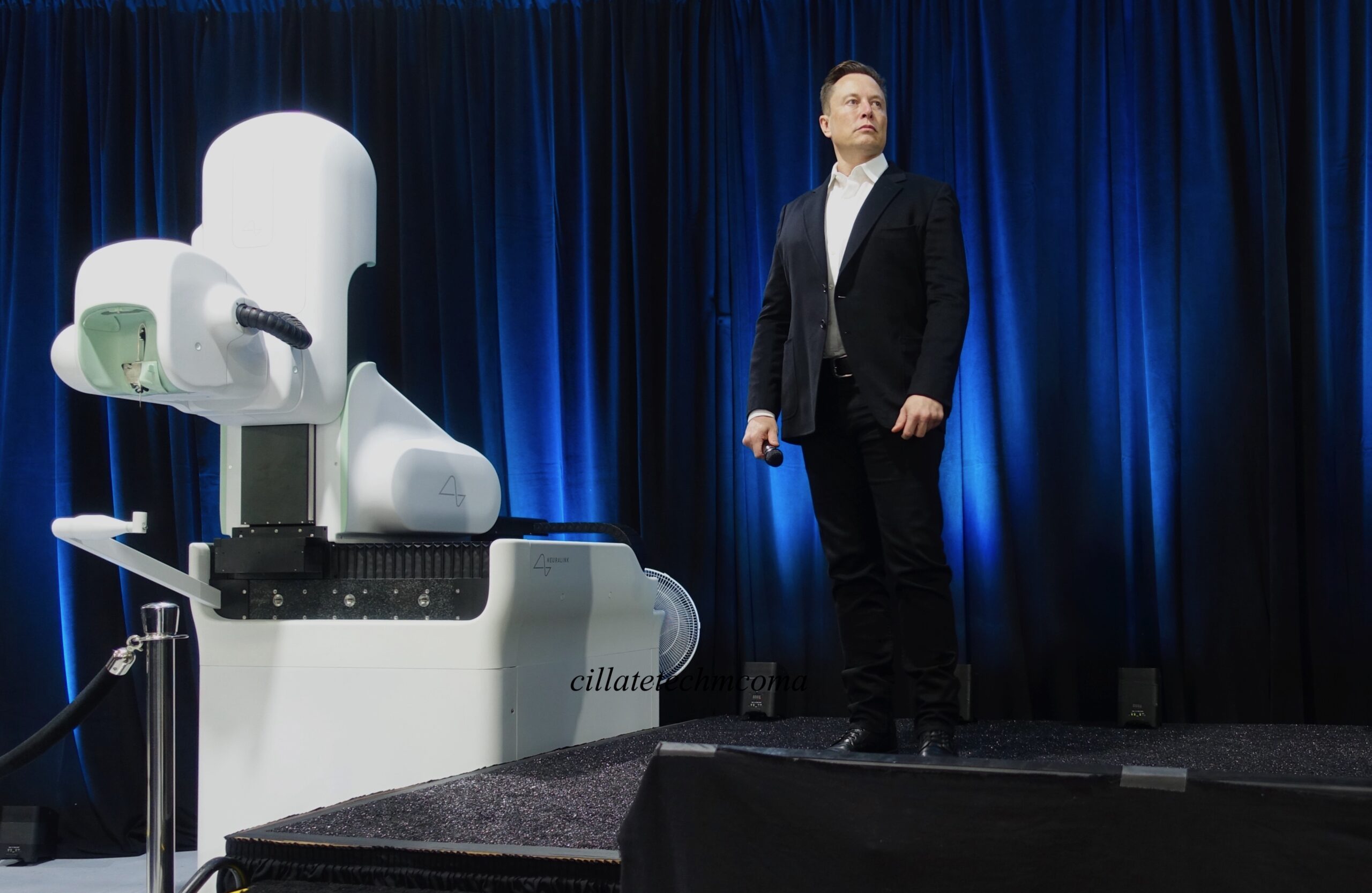
Neuralink’s technology is built around a compact implant embedded within the skull. Ultra-thin, flexible threads equipped with electrodes are delicately inserted into targeted regions of the brain using a specialized robotic system. These electrodes detect electrical impulses generated by neurons and transmit that data wirelessly to external computing devices.
The system operates by translating patterns of neural activity into digital outputs. In early experimental demonstrations, implanted subjects were able to control cursors and simple digital tasks using only neural signals. Although brain–computer interfaces have existed in research laboratories for many years, Neuralink distinguishes itself through its focus on miniaturized hardware, wireless capability, and automated surgical precision designed for scalability.
Clinical Potential: Restoring Lost Abilities
The most immediate application of this technology lies in therapeutic intervention. Individuals with spinal cord injuries, for example, often retain intact motor signals within the brain that cannot reach the muscles due to nerve damage. A neural interface could potentially bypass disrupted pathways, enabling patients to operate assistive technologies such as prosthetic limbs or communication software.
Beyond paralysis, similar neural stimulation technologies have demonstrated benefits for movement disorders and certain psychiatric conditions. Deep brain stimulation, already used in treating Parkinson’s disease, offers precedent for implant-based neurological therapies. Neuralink aims to enhance such approaches with more refined signal detection and adaptive stimulation systems.
For individuals affected by severe neurodegenerative conditions or locked-in syndrome, brain-to-text systems could restore a means of communication, significantly improving independence and quality of life. These medical applications represent the most widely supported and ethically grounded pathway for early deployment.
Engineering Barriers and Biological Realities
Embedding electronics within living brain tissue presents substantial challenges. The human body can react defensively to foreign materials, potentially forming scar tissue that interferes with signal transmission. Maintaining stable neural recordings over extended periods remains a central obstacle.
Surgical procedures involving the brain, even when minimally invasive, carry inherent risks such as infection or hemorrhage. Additionally, implanted hardware must be durable enough to function reliably for years without frequent replacement. Addressing these issues demands rigorous testing, long-term clinical studies, and transparent reporting of outcomes.
Ethical Dimensions in Cognitive Technology
The integration of neural data with digital systems introduces profound ethical considerations. Brain signals are deeply personal, and questions surrounding cognitive privacy are unavoidable. Safeguarding neural data against misuse or unauthorized access must be a foundational priority.
There is also a critical distinction between therapeutic use and enhancement. While initial efforts focus on restoring lost functions, future possibilities could involve augmenting memory, processing speed, or connectivity. Such advancements raise concerns about equitable access and the potential widening of social disparities.
Ensuring informed consent, maintaining user autonomy, and implementing strict regulatory oversight are essential. Technologies that influence neural activity must be governed with transparency and accountability to preserve individual agency.
Oversight, Regulation, and Scientific Validation
Medical devices that interact directly with the brain are subject to stringent regulatory evaluation. Clinical trials must meet ethical and scientific standards before broader adoption. Historical parallels, such as the development of pacemakers and cochlear implants, demonstrate that once-controversial technologies can gain acceptance when supported by clear evidence of safety and effectiveness.
The future of Neuralink will ultimately depend on peer-reviewed research, demonstrated clinical benefit, and public trust built through responsible disclosure.
A Defining Step Toward the Future
The convergence of biological intelligence and digital systems marks a pivotal moment in technological evolution. Neuralink’s ambitions extend beyond medical repair toward deeper integration between humans and advanced computing systems. Advocates argue that such progress could enhance human capability in an era of accelerating artificial intelligence, while critics caution against unforeseen societal consequences.
What remains certain is that brain–computer interface technology is transitioning from theoretical exploration to tangible application. Its development must be guided not only by innovation, but also by ethical foresight and scientific rigor. If approached responsibly, the merging of mind and machine may become one of the most transformative medical and technological achievements of the twenty-first century.