“One machine can do the work of fifty ordinary men. No machine can do the work of one extraordinary man.” – Elbert Hubbard
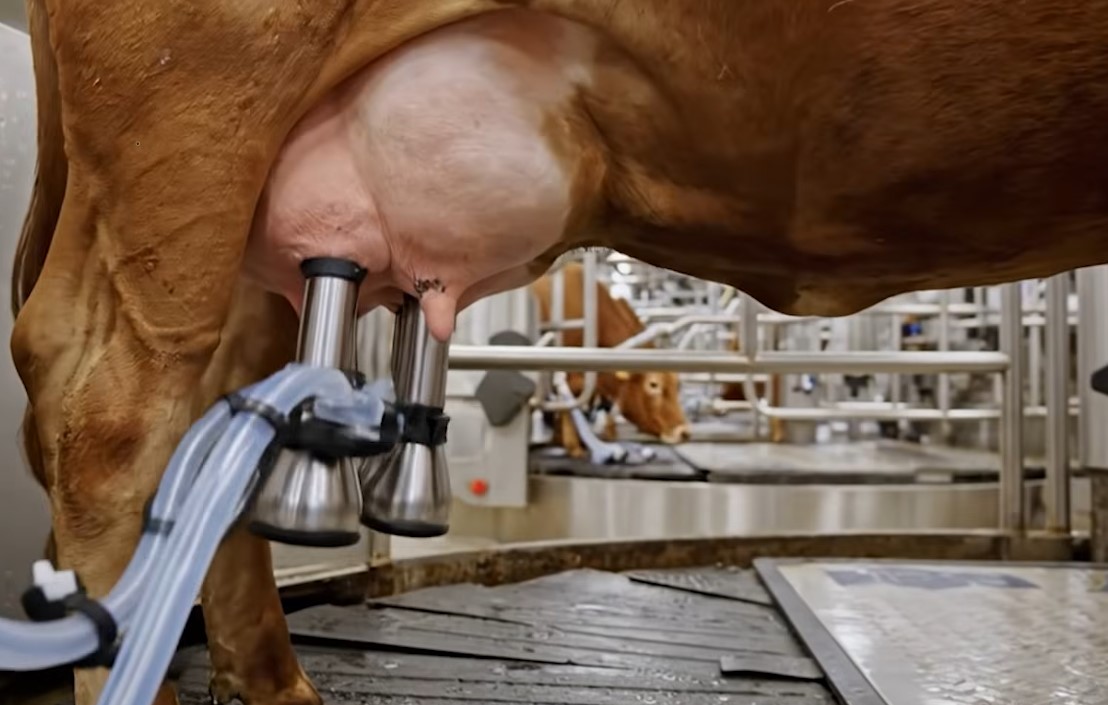
Modern society is increasingly powered by automation, artificial intelligence, and advanced machinery. From automated factories to intelligent software systems, machines now handle complex tasks with extraordinary speed and accuracy. They streamline operations, boost productivity, and reduce manual effort across industries. Yet despite their impressive capabilities, machines lack something essential. Mechanical power may multiply output, but it cannot generate original vision. Efficiency does not equal imagination. This distinction reveals a critical truth: mechanized systems can support progress, but inspired human thinking is what truly initiates it
The Capabilities of Mechanical Systems
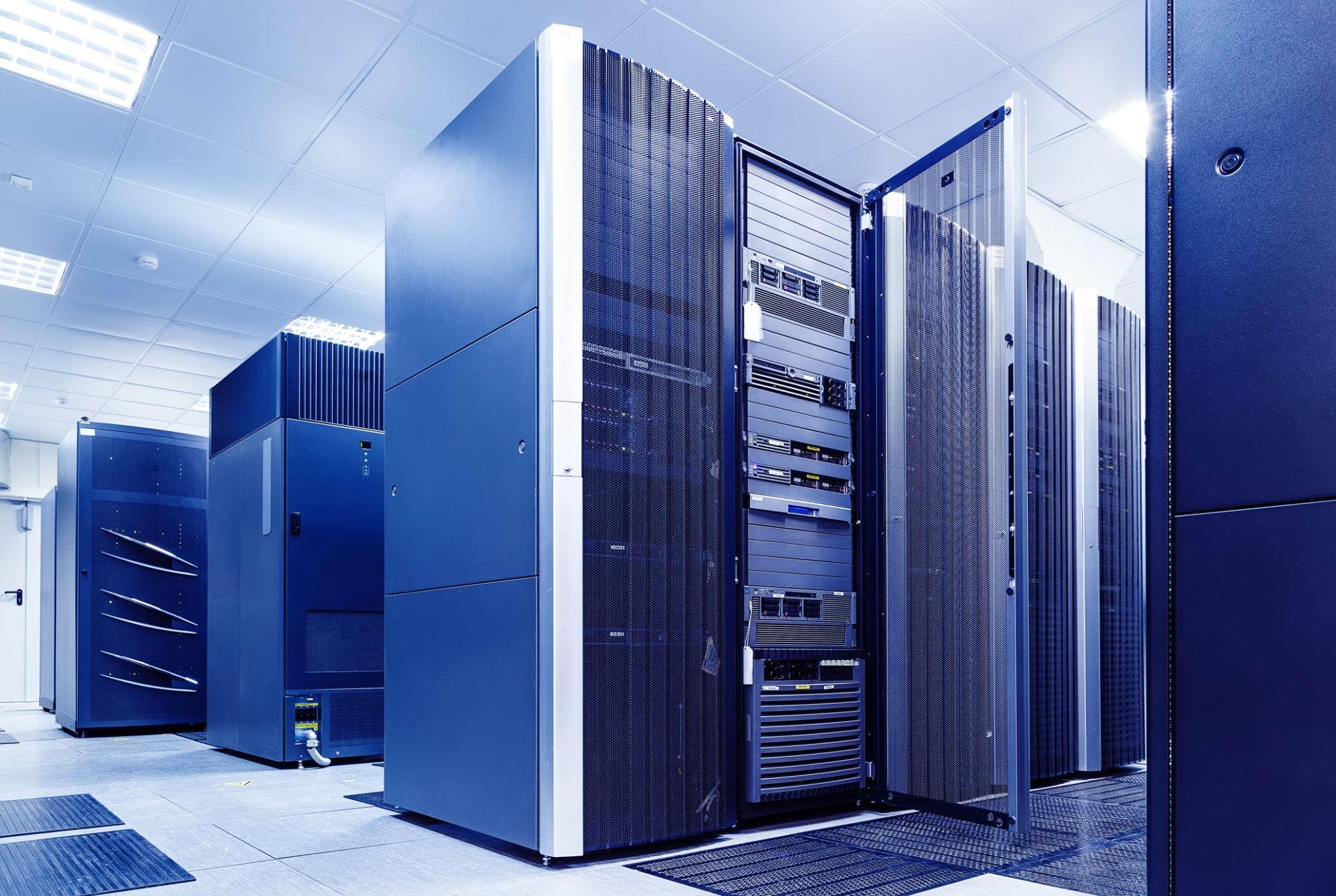
Mechanical and digital systems are designed to execute tasks within defined structures. Robotics, algorithms, and high-speed processors can manage repetitive labor, analyze massive datasets, and maintain consistent performance without fatigue. Their strength lies in reliability, scale, and precision. These systems function by following programmed instructions or learned patterns derived from data. They optimize existing workflows and enhance operational performance. However, their intelligence remains bounded by parameters set by human designers. Machines do not independently form intentions or conceive entirely new ideas beyond their training. In essence, mechanized power excels at refinement—but not origination.
The Essence of Inspired Intelligence
Inspired intelligence is a distinctly human capacity. It involves imagination, intuition, emotional depth, and the ability to envision possibilities beyond present reality. Humans do not simply respond to data; they interpret it, challenge it, and sometimes defy it. Creative breakthroughs, artistic masterpieces, revolutionary inventions, and transformative leadership all emerge from this inner spark. Inspired thinking connects unrelated ideas, questions conventional boundaries, and dares to explore uncertainty. It is fueled not just by logic, but by curiosity, passion, and lived experience. While machines calculate probabilities, human minds create meaning.
Optimization Versus Innovation
The difference between mechanized systems and inspired thinkers can be understood as the contrast between optimization and innovation. Machines enhance what already exists. They improve speed, accuracy, and consistency within established systems. Their purpose is performance. Human thinkers, however, disrupt existing systems and replace them with entirely new frameworks. They do not merely fine-tune reality—they redefine it. Where machines analyze patterns, humans invent new ones. Where automation increases efficiency, imagination alters direction. Data processing and visionary thinking operate on fundamentally different levels. One strengthens structure; the other transforms it.
Why Human Ingenuity Remains Essential
Authentic creativity cannot be fully engineered. Although artificial intelligence can mimic creative outputs by recombining prior information, groundbreaking ideas often arise from leaps of insight that defy historical patterns. Innovation frequently begins with a bold question rather than a predictable answer. Emotional awareness also separates human cognition from machine computation. Compassion, ethical reasoning, and social responsibility guide meaningful decisions. Machines can simulate conversational tone or behavioral patterns, but they do not possess genuine empathy or moral consciousness. Furthermore, uncertainty demands flexible judgment. In unpredictable environments, humans rely on imagination and reasoning to navigate unfamiliar challenges. Mechanical systems depend on prior programming and available data; when confronted with entirely novel situations, their capacity is limited.
Technology as a Catalyst, Not a Competitor
Rather than framing technology as a rival to human intelligence, it is more accurate to see it as an extension of human capability. Mechanized systems amplify productivity, reduce physical strain, and handle large-scale operations that would otherwise be impractical. However, the foundational ideas behind every machine originate in human thought. Every algorithm was conceptualized by a mind. Every robotic system began as an idea. Technology executes; humanity conceives. When inspired intelligence and mechanical efficiency work together, progress accelerates. But without human creativity guiding it, automation lacks purpose.
The Evolving Landscape of Work and Innovation
As industries become more automated, routine and repetitive tasks will increasingly be delegated to machines. The human advantage will shift toward skills that cannot be easily replicated—strategic thinking, creative exploration, ethical leadership, and emotional insight. The most influential individuals in the coming decades will not simply understand technology; they will know how to use it as a tool for imaginative advancement. The future will belong to those who blend technical competence with visionary thinking. History consistently demonstrates that transformative change begins with an idea long before it becomes a machine.
Mechanical systems offer speed, scale, and operational strength. They enhance efficiency and enable remarkable productivity. However, they do not dream, question, or envision alternative realities. Inspired intelligence remains the driving force behind true advancement. It challenges norms, sparks innovation, and reshapes society in ways no automated system can independently achieve.
Ultimately, machines may power industries—but inspired minds power civilization.