The rise of automation and artificial intelligence (AI) has sparked widespread discussion and concern about the future of work. As industries across the globe embrace more advanced technologies, it’s natural to wonder: Is your job safe from automation? Will machines and algorithms take over the tasks you perform, or will human skills remain irreplaceable? To answer that question, it’s important to consider the nature of automation, its impact on different sectors, and the evolving skills required in the workforce of the future.
In this article, we will explore how automation is affecting various industries, the jobs at greatest risk, and what you can do to future-proof your career.
1. The Scope of Automation
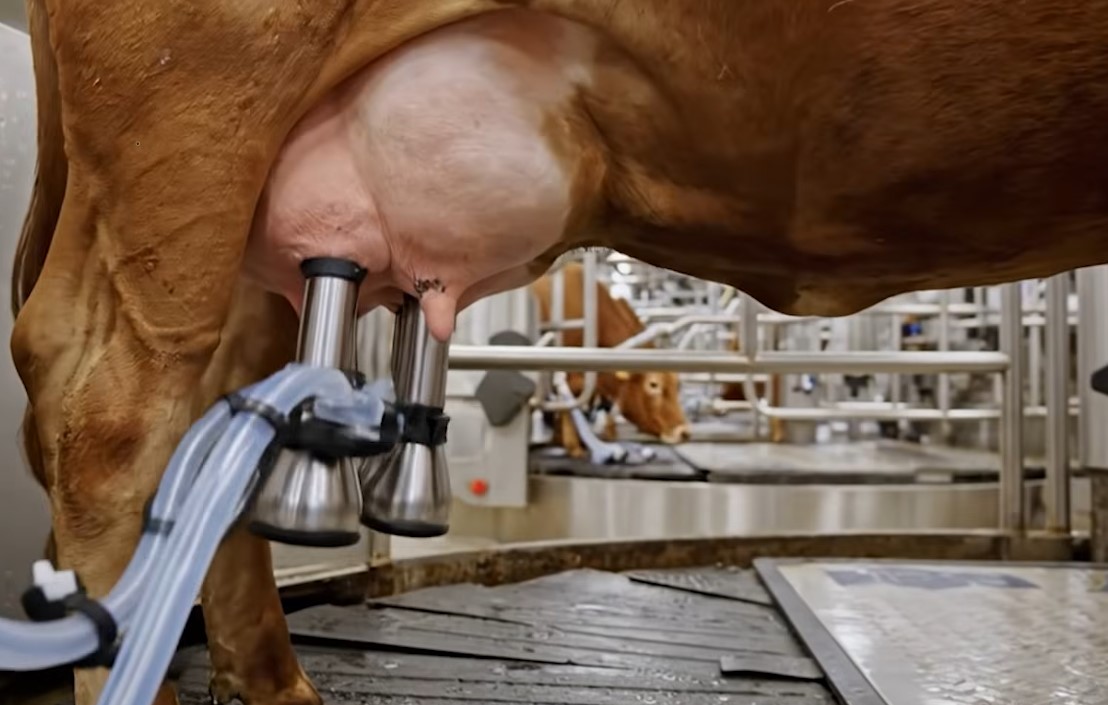
Automation refers to the use of technology to perform tasks that were traditionally done by humans. This can range from simple machines that automate physical labor to sophisticated AI systems that can analyze data, make decisions, and interact with people. Over the past few decades, automation has gradually transformed industries such as manufacturing, logistics, retail, and even finance. What was once limited to factories is now creeping into offices, hospitals, and other service sectors.
As technology continues to evolve, the potential for automation is expanding. The rapid advancements in AI and robotics have led to the creation of machines that can perform complex cognitive tasks—things like language translation, legal research, and even diagnosing diseases. This begs the question: with machines becoming increasingly capable, will jobs as we know them be rendered obsolete?
2. Jobs at High Risk of Automation
Some jobs are more vulnerable to automation than others. The key factors that determine whether a job is at risk are routine tasks and predictability. Positions that involve repetitive, predictable activities are prime candidates for automation. Here are a few categories of jobs that are more likely to be affected:
Manufacturing and Assembly Line Jobs
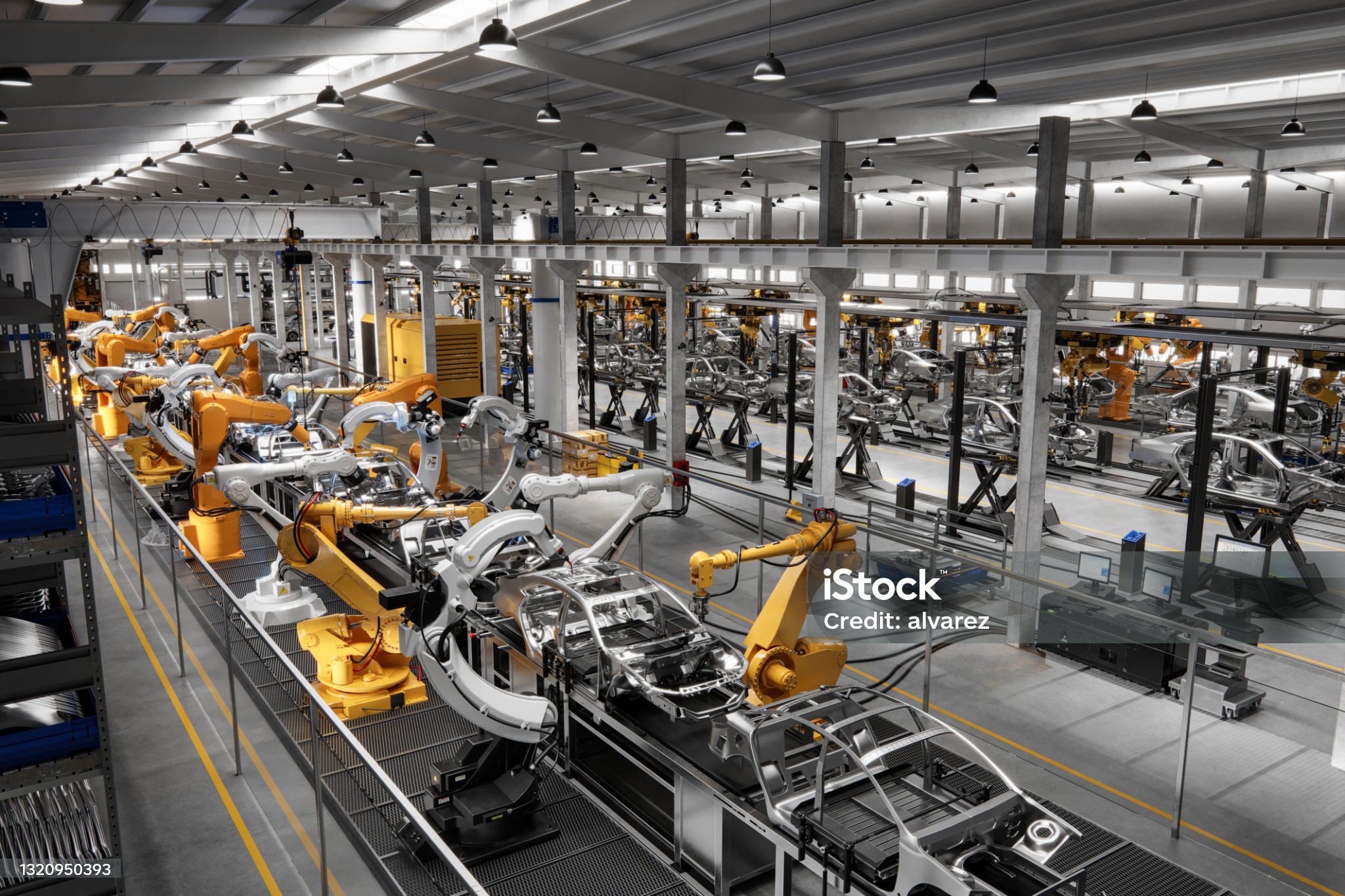
Historically, automation has had the greatest impact on the manufacturing sector. Tasks that involve assembly, packaging, and repetitive machine operation are increasingly being carried out by robots. Automated production lines in car factories, for example, are common. As robotics become more advanced, other industries that rely on manual labor, such as textiles and food production, are also embracing automation.
Retail and Customer Service
Jobs in retail, such as cashiers and stock clerks, are increasingly vulnerable to automation. Self-checkout kiosks, automated inventory management systems, and even robots that can greet customers and provide assistance are being implemented in stores and warehouses. While customer service roles that require empathy and complex problem-solving are less likely to be automated, tasks like answering frequently asked questions, handling returns, and processing orders are already being handled by chatbots and automated systems.
Transportation and Delivery
With the rise of self-driving vehicles and drones, transportation and logistics jobs are facing disruption. Truck drivers, delivery personnel, and even taxi drivers may be at risk as autonomous vehicles improve. Companies like Tesla and Waymo are already testing self-driving technology, and major delivery services like Amazon are exploring the use of drones for last-mile delivery. While it may take time before these technologies are fully integrated into everyday life, the potential for job displacement is significant.
Administrative and Clerical Work
Administrative roles, including data entry, scheduling, and document management, are increasingly being automated through AI-based software. These systems can process vast amounts of data, schedule meetings, respond to emails, and even sort through legal documents. While higher-level administrative positions that require critical thinking and decision-making may remain safe for now, entry-level office jobs could be more easily replaced by automation.
Finance and Accounting
While many finance jobs require human judgment, roles that involve routine calculations, auditing, and data entry are already being automated. AI and machine learning algorithms are capable of processing large amounts of financial data, identifying trends, and even predicting market movements. As a result, many entry-level finance positions—such as bookkeepers, tax preparers, and junior analysts—are at risk of being replaced by technology.
3. Jobs That Are Less Likely to Be Automated
On the flip side, some jobs are much less susceptible to automation due to the need for human creativity, emotional intelligence, and problem-solving skills. These jobs typically involve tasks that are less routine, require interaction with people, or demand a high level of adaptability. Some examples include:
Healthcare and Social Services
Healthcare professionals such as doctors, nurses, and therapists are less likely to be replaced by automation, as these roles require empathy, judgment, and nuanced decision-making. While AI can assist in diagnosing diseases or recommending treatment plans, human medical professionals are still essential for understanding the unique circumstances of each patient and offering compassionate care. Similarly, social workers and psychologists need emotional intelligence and the ability to understand complex human situations, which makes these jobs resistant to automation.
Creative and Artistic Professions
Jobs that involve creativity, such as writers, artists, musicians, and designers, are less likely to be automated because they rely on subjective human experiences, cultural understanding, and emotional expression. While AI can assist in generating art or music, human creativity—rooted in personal experiences and emotional depth—remains irreplaceable.
Skilled Trades
Jobs that require hands-on work, such as electricians, plumbers, and carpenters, are difficult to automate due to the unpredictability and variability of physical tasks. These trades require a combination of problem-solving, physical dexterity, and adaptability to different environments, which robots and AI have yet to master.
Education and Training
Teachers, mentors, and trainers are less likely to be fully replaced by automation. While AI can assist in personalized learning, human educators are essential for fostering critical thinking, offering emotional support, and adapting to the needs of individual students. Furthermore, teaching requires cultural awareness, communication skills, and the ability to inspire, which are difficult to replicate with technology.
4. How to Future-Proof Your Career
The inevitable rise of automation means that individuals must be proactive in preparing for the future of work. While some jobs will disappear, new ones will emerge, often requiring a different set of skills. Here are a few ways to ensure that your job remains relevant in the age of automation:
Develop Skills in Technology and AI
As automation continues to transform industries, technology literacy will become a key differentiator in the job market. Learning how to work with AI, machine learning, and other advanced technologies can help you stay ahead of the curve. Consider taking courses in programming, data analysis, or robotics to build a foundation in these fields.
Focus on Soft Skills
While automation is great at handling routine tasks, soft skills like communication, emotional intelligence, and critical thinking are still very much human domains. By strengthening these skills, you can differentiate yourself in roles that require human interaction, leadership, and judgment.
Stay Adaptable and Lifelong Learning
The future of work will likely involve constant change. Being adaptable and committed to lifelong learning will help you stay competitive. Whether it’s upskilling or reskilling, being open to learning new tools, systems, and techniques will make it easier to pivot into new roles as they emerge.
Seek Roles That Leverage Automation
Rather than fearing automation, consider how you can leverage it to enhance your own productivity. Many professionals are incorporating AI-powered tools to streamline their work, making them more efficient and capable of handling complex tasks that automation can’t replace.
Conclusion: Embrace Change
The question of whether your job is safe from automation is complex. Some jobs are undoubtedly at risk, while others are less likely to be replaced by machines. However, the key to securing your place in the workforce of the future lies in your ability to adapt. Embracing technology, enhancing your skill set, and focusing on uniquely human capabilities will ensure that you remain relevant in an increasingly automated world. Rather than fearing automation, the smart move is to leverage it as a tool for growth and innovation. The future of work is not just about survival—it’s about thriving in a world where humans and machines work together to accomplish great things.