As cities continue to expand both in population and economic activity, traditional transportation networks are struggling to keep pace. Congested highways, overcrowded public transit, and environmental pressures are forcing governments and private developers to rethink mobility solutions. One of the most promising answers lies beneath our feet: advanced underground transit systems supported by next-generation tunnel engineering.
This evolving sector blends civil engineering, digital technology, sustainability practices, and automation to create efficient subterranean transportation corridors. By leveraging cutting-edge excavation methods and intelligent infrastructure systems, modern cities are redefining how mobility can function in limited urban space.
The Transformation of Underground Transportation
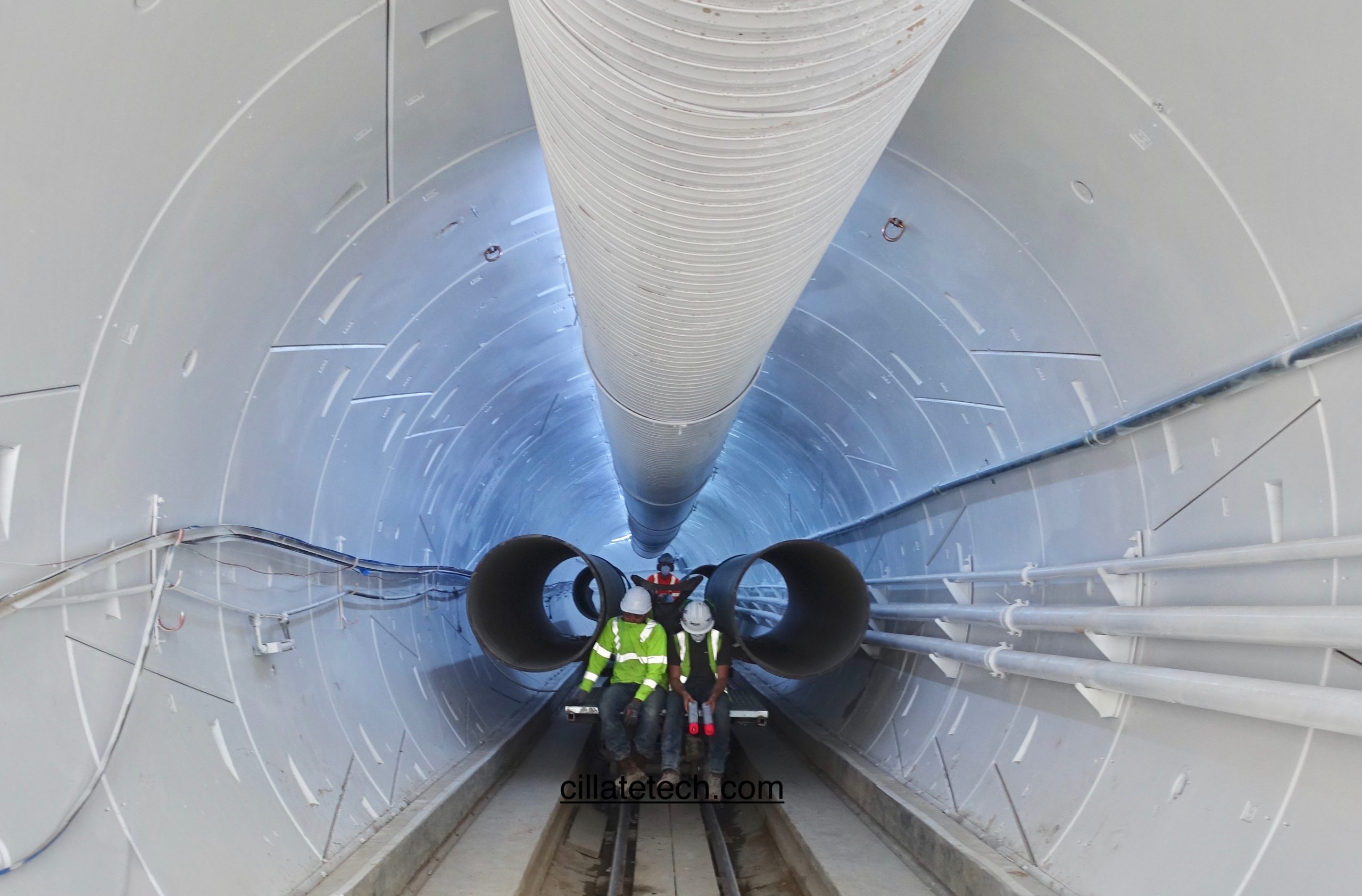
Although underground railways have operated for decades, today’s tunnel infrastructure projects are far more technologically sophisticated. Contemporary tunnel boring machines are engineered with automation, precision controls, and improved safety mechanisms. These machines allow for continuous excavation at greater depths while reducing vibration and disruption to the surrounding environment. As a result, projects can move forward more efficiently and with less impact on city life above ground.
Cost efficiency has also become a central focus of modern tunnel engineering. Instead of constructing oversized, highly customized tunnel systems, developers are prioritizing compact designs and modular construction approaches. Standardized tunnel diameters and repeatable engineering frameworks help reduce material consumption and shorten development timelines. This strategic shift is making underground infrastructure more accessible to growing cities that previously considered such projects financially unfeasible.
At the same time, subterranean transit systems are increasingly designed to accommodate electric and autonomous vehicles. Digital monitoring platforms oversee ventilation, temperature regulation, structural stability, and traffic flow in real time. By integrating artificial intelligence and smart sensors, operators can maintain higher safety standards and optimize system performance continuously.
Measurable Progress in the Industry
In recent years, underground transportation engineering has demonstrated tangible improvements in speed, sustainability, and cost management. Enhanced excavation technologies have accelerated tunneling rates compared to traditional methods, enabling faster project completion. These advancements reduce construction disruption and improve return on investment for large-scale infrastructure developments.
Financial models are evolving as well. Engineers and planners are refining design strategies to minimize unnecessary complexity while maximizing scalability. As a result, per-mile construction costs are gradually declining in projects that emphasize streamlined engineering solutions.
Sustainability has become another defining factor in the sector’s growth. Modern tunnel systems often incorporate energy-efficient lighting, advanced ventilation systems, and compatibility with zero-emission electric vehicles. Many cities are aligning underground transit development with broader environmental goals, recognizing its potential to reduce traffic congestion and carbon emissions simultaneously.
Elon Musk’s Role in Advancing Tunnel Innovation
A significant private-sector influence in this field is The Boring Company, established by Elon Musk. The company was created to address the high costs and slow pace traditionally associated with tunnel construction.
One of its most visible implementations is the Loop system beneath the Las Vegas Convention Center. This operational project uses electric vehicles to transport passengers through compact underground tunnels, demonstrating an alternative to conventional subway-style systems. By focusing on narrower tunnel diameters and continuous boring techniques, the company seeks to make underground transport more affordable and scalable.
Beyond current projects, the organization has also promoted ambitious concepts such as interconnected underground networks and ultra-high-speed tube transportation ideas. Its efforts have contributed to renewed global interest in subterranean mobility solutions.
The Strategic Importance of Underground Mobility
As urban density increases, surface expansion becomes increasingly limited and expensive. Roads cannot endlessly widen, and new highways often conflict with environmental and residential considerations. Underground transit infrastructure offers a strategic alternative that expands transportation capacity without occupying additional land.
Relocating mobility networks below ground enables cities to preserve and enhance surface-level environments. Public spaces, green areas, and pedestrian zones can flourish while transportation operates efficiently out of sight. Additionally, underground systems help reduce noise pollution and support cleaner, electric-based mobility frameworks.
Economic Advantages of Underground Transportation Projects
Subterranean transit infrastructure does more than improve mobility—it plays a meaningful role in economic development. Large tunnel initiatives stimulate job creation across multiple industries, including civil engineering, heavy construction, advanced manufacturing, and transportation technology. These projects require both technical expertise and skilled labor, supporting workforce growth at various levels.
Over time, enhanced transportation efficiency contributes to stronger local economies. Reduced commute times increase productivity, improve access to business districts, and support commercial expansion. Areas connected by reliable underground transit often experience increased investment and rising property demand. As a result, policymakers frequently view tunnel infrastructure as a long-term driver of economic sustainability and urban competitiveness.
Ecological Contributions of Underground Mobility Systems
Modern underground transit networks align closely with environmental sustainability objectives. By diverting traffic below ground, cities can ease surface congestion and cut vehicle emissions. When combined with electric transportation systems, subterranean mobility significantly lowers greenhouse gas output compared to traditional road-based travel.
Additionally, utilizing underground space limits the need for highway expansion and protects natural landscapes from overdevelopment. Many contemporary tunnel projects also adopt environmentally responsible construction practices, such as energy-efficient excavation equipment and sustainable building materials, reducing their overall environmental footprint.
Enhanced Safety Measures in Contemporary Tunnel Design
Safety innovation is a central component of today’s tunnel engineering strategies. Advanced fire suppression systems, intelligent ventilation controls, seismic-resistant structures, and continuous structural monitoring technologies are now standard features in modern projects.
Integrated sensor systems track environmental and structural conditions in real time, enabling operators to detect irregularities early and respond proactively. These advancements strengthen system reliability and create safer operating environments for passengers and maintenance teams alike.
Financing Models and Collaborative Development Approaches
Investment structures for underground infrastructure have become increasingly dynamic. Many governments partner with private organizations through structured collaboration models to distribute financial responsibility and accelerate implementation. These arrangements encourage innovation while ensuring compliance with regulatory frameworks.
Institutional investors and infrastructure-focused funds are demonstrating heightened interest in subterranean transit projects. As urban populations grow and transportation demand rises, underground mobility assets are viewed as stable, long-term investment opportunities with consistent usage potential.
Digital Engineering and Predictive Infrastructure Management
Technological innovation is reshaping tunnel planning and operations through digital simulation tools. Engineers now develop virtual models of infrastructure systems—often referred to as digital twins—to analyze performance, anticipate maintenance needs, and refine operational strategies before and after construction.
By integrating real-time data analytics, these systems enhance efficiency and reduce unexpected downtime. Predictive maintenance powered by data modeling extends infrastructure lifespan and optimizes operational costs, making underground transit networks more resilient and future-ready.
Looking Toward the Future
The future of tunnel infrastructure engineering is expected to emphasize deeper technological integration. Autonomous transit fleets, AI-controlled traffic systems, and data-driven maintenance protocols will likely define the next generation of subterranean mobility. Advances in materials and construction methods may further lower environmental impact while improving durability and long-term resilience.
With continued investment and innovation, underground transportation is evolving from a supplementary urban feature into a foundational component of smart city development. As cities plan for the coming decades, subterranean transit systems are poised to play a central role in shaping sustainable, high-capacity urban mobility networks.