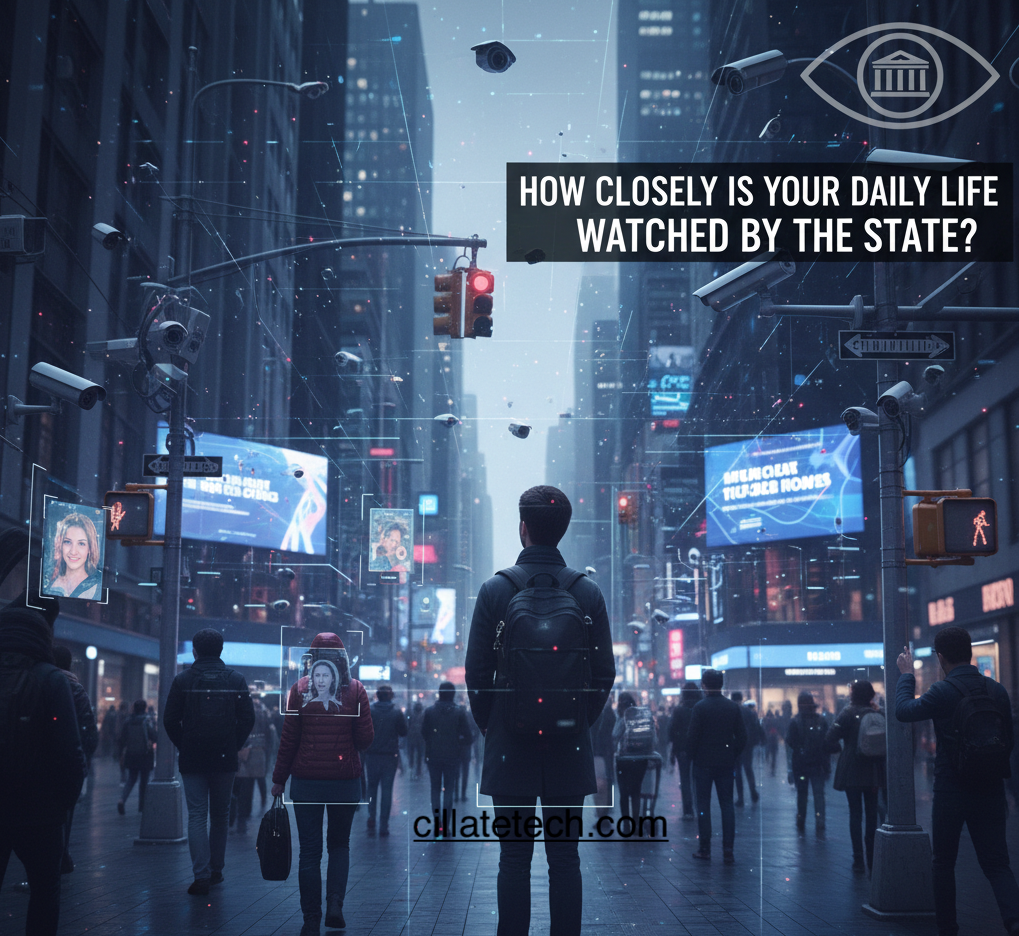
In today’s digitally connected world, privacy is increasingly fragile. From smartphones and smart home devices to social media and online banking, nearly every aspect of our lives generates data. Governments around the globe are leveraging these streams of information to monitor citizens—sometimes for public safety, sometimes for political control, and often with little transparency. This raises a pressing question: how closely is your daily life being watched by the state?
Understanding the mechanisms, motivations, and implications of government surveillance is essential for anyone navigating the digital age. This article explores the scope of state monitoring, the technology behind it, and what it means for privacy, security, and personal freedom.
The Rise of Digital Surveillance
Government monitoring has evolved dramatically over the past few decades. Traditional surveillance—such as wiretaps, CCTV, or monitoring mail—was limited by scale and resources. Modern technology, however, allows states to collect and analyze data on a massive level, often with minimal human oversight.
Smartphones are one of the most pervasive tools of surveillance. Location tracking, app permissions, and metadata can reveal a person’s habits, routines, and relationships without active intervention. Social media platforms, meanwhile, provide a rich map of networks, opinions, and behaviors that can be mined by authorities. Even online purchases, streaming habits, and travel bookings contribute to a comprehensive digital profile.
These data streams are not inherently harmful; in fact, governments argue they enable law enforcement, public health monitoring, and national security. Yet, the sheer volume and accessibility of information mean that privacy is easily compromised, and the potential for misuse is substantial.
The Technology Behind State Monitoring
State surveillance is powered by advanced technologies that have become increasingly sophisticated. Facial recognition systems, for example, can track individuals in public spaces, often linking identities to databases that include criminal records, social profiles, and biometric data. Closed-circuit television cameras, once limited to high-risk areas, are now ubiquitous in cities worldwide, often integrated with AI to identify suspicious behaviors automatically.
Internet monitoring is another key method. Governments can analyze search queries, social media interactions, and online communications to detect patterns of interest. Some countries employ content filtering, keyword tracking, and AI-driven moderation tools to flag messages or accounts that could be deemed threatening or subversive. Metadata collection, which records information about communications rather than the content itself, allows authorities to map social networks, movements, and daily routines.
Additionally, smart devices in homes—thermostats, voice assistants, and security cameras—offer another layer of observation. While these tools are marketed for convenience and energy efficiency, the data they collect can be accessible to state agencies in certain jurisdictions. The convergence of these technologies means that, in many cases, your daily actions leave a digital trail that can be reconstructed and analyzed.
Surveillance for Public Safety and National Security
Governments often justify surveillance as a necessary tool for protecting citizens. In many countries, monitoring programs are designed to prevent terrorism, cyberattacks, and organized crime. By analyzing patterns of communication, location data, and financial transactions, authorities claim they can anticipate threats before they escalate.
Public health has also become a justification for state monitoring. During pandemics, governments worldwide have used mobile tracking, health apps, and digital certificates to monitor outbreaks, enforce quarantines, and identify potential vectors of disease transmission. These measures have arguably saved lives, but they also illustrate how surveillance powers can expand rapidly under the guise of public safety.
Traffic monitoring, emergency response systems, and disaster management programs rely on real-time data collection. While these applications are largely beneficial, they highlight the delicate balance between safety and privacy. When surveillance becomes normalized, citizens may unknowingly trade freedom for convenience, giving authorities unprecedented insight into their daily routines.
The Dark Side of Government Oversight
While surveillance can enhance safety, it also carries significant risks. One major concern is political control. In authoritarian regimes, state monitoring is often used to suppress dissent, target activists, and control public opinion. Social media posts, online activity, and even offline behavior can be scrutinized to identify and punish individuals who challenge the state.
Another concern is data misuse and breaches. Even democratic governments collecting data for legitimate purposes are vulnerable to leaks, hacking, or improper access. Sensitive information—financial records, private communications, or medical histories—can fall into the wrong hands, threatening personal security and trust in institutions.
Surveillance can also have psychological effects. Knowing that daily activities are being watched may lead individuals to self-censor, alter their behavior, or disengage from civic participation. Over time, this erosion of trust can affect the social contract between citizens and the state.
Global Variations in Surveillance Practices
Not all governments monitor citizens in the same way or to the same degree. In democratic nations, oversight mechanisms, legal protections, and transparency requirements aim to limit intrusive practices. Agencies are often required to obtain warrants or demonstrate a clear threat before accessing private data. However, even in these contexts, mass data collection programs have raised debates about legality and ethics.
In more authoritarian states, surveillance tends to be more comprehensive and less constrained. Facial recognition, internet censorship, and social credit systems may be deployed extensively, with citizens under continuous observation. In these environments, privacy is limited, and deviations from government norms can carry serious consequences.
Emerging technologies also blur the lines between countries. Cross-border data flows, multinational tech companies, and cloud-based services make it possible for a government to access information stored elsewhere, raising questions about jurisdiction, sovereignty, and international law.
How to Protect Your Privacy
Even in a highly monitored world, individuals can take steps to safeguard their personal information. Using encrypted communication tools, VPNs, and secure devices can reduce exposure to casual surveillance. Limiting the amount of personal information shared online, adjusting app permissions, and being mindful of digital footprints are practical ways to maintain privacy.
Legal protections, such as data protection regulations in some regions, offer additional safeguards. Understanding your rights, advocating for stronger privacy laws, and supporting transparency initiatives can also empower citizens to resist excessive state monitoring.
At the societal level, promoting public discourse about surveillance, accountability, and ethical data use is essential. When citizens demand transparency and oversight, governments are more likely to implement responsible monitoring practices that balance security with privacy.
The Future of State Surveillance
As AI, machine learning, and big data continue to advance, the state’s capacity to monitor daily life will only increase. Predictive algorithms, biometric recognition, and real-time data analytics may enable authorities to anticipate behaviors, enforce compliance, and respond to crises more efficiently than ever before.
However, this increased capability must be matched by ethical frameworks, regulatory oversight, and public accountability. Without safeguards, there is a risk of normalizing surveillance, eroding privacy, and diminishing personal freedoms. The challenge for society will be to harness technology for safety and public good while preventing abuse and protecting fundamental rights.
The question of how closely your daily life is watched by the state does not have a simple answer. Technology has enabled unprecedented monitoring capabilities, offering benefits in public safety, health, and emergency management. At the same time, it presents risks to privacy, autonomy, and civil liberties.
Understanding the scope, tools, and motivations of government surveillance is essential in navigating the digital age. Citizens, regulators, and policymakers must work together to strike a balance that safeguards security without sacrificing personal freedoms. By remaining informed, advocating for transparency, and taking personal precautions, individuals can protect their privacy while still benefiting from the advantages of modern technology.
Key Insight: In an era of constant observation, privacy is a choice that requires awareness, action, and vigilance. Understanding how and why governments monitor daily life is the first step toward maintaining control over your digital and physical footprint.