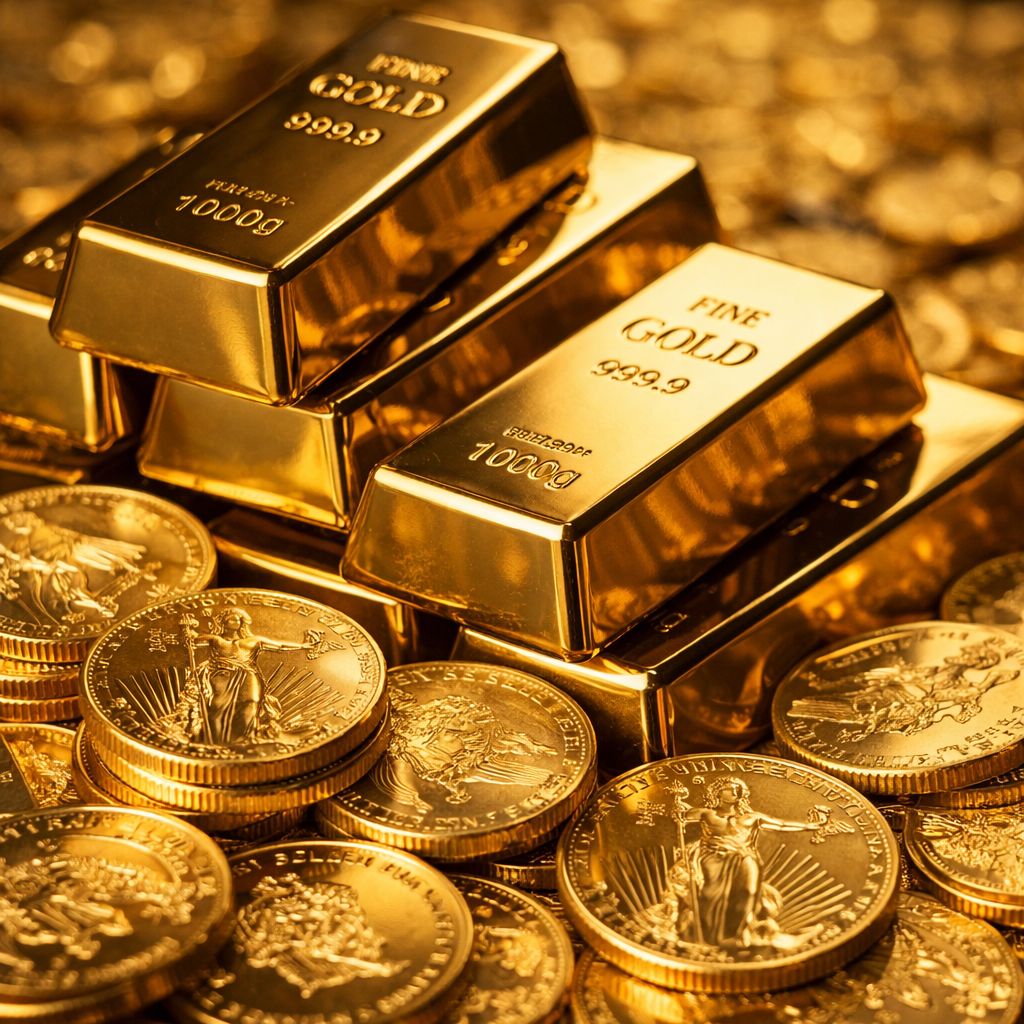
Gold has long been considered one of the most reliable stores of value in human history. From ancient civilizations to modern investment portfolios, gold has played a central role in wealth preservation, economic stability, and financial speculation. But in today’s fast-evolving technological and economic landscape, what does the future hold for gold prices? How are innovations, digital currencies, and global market shifts shaping gold’s trajectory? Let’s explore.
The Timeless Appeal of Gold
Gold’s intrinsic value stems from several factors:
- Scarcity: Gold is finite. The global supply is limited, and new discoveries are increasingly rare. Unlike fiat currency, which can be printed in unlimited amounts, gold retains scarcity, making it a hedge against inflation.
- Durability: Gold doesn’t corrode or decay, making it ideal for long-term storage of wealth.
- Universal Acceptance: Across cultures and economies, gold is recognized as valuable, unlike some currencies or assets tied to specific nations.
- Safe Haven: In times of geopolitical uncertainty, financial crises, or market volatility, investors flock to gold as a safe store of value.
These factors have historically made gold a preferred choice for central banks, institutional investors, and individual savers alike. But today, the dynamics influencing its price are more complex.
Factors Affecting Gold Price
Gold prices don’t exist in isolation—they are influenced by a blend of economic, technological, and geopolitical factors.
1. Global Economic Conditions
When global markets experience uncertainty, gold prices often rise. For instance:
- Economic recessions
- High inflation periods
- Currency devaluations
During such events, investors look for assets that can preserve value, making gold a go-to option.
2. Interest Rates and Inflation
There is an inverse relationship between gold and interest rates. When interest rates are low, the opportunity cost of holding gold decreases, driving demand. Conversely, rising rates can make interest-bearing assets more attractive than gold.
3. Technological Innovations
Technology is reshaping gold trading and investment in several ways:
- Blockchain and Tokenization: Digital gold platforms allow investors to buy fractions of gold stored securely in vaults. This opens gold investment to a broader audience, potentially increasing demand.
- AI and Predictive Analytics: Advanced AI models now forecast gold price movements by analyzing global economic data, geopolitical tensions, and even social media sentiment.
- Mining Technology: Improved extraction methods and automation reduce costs and improve efficiency in gold production, affecting supply-side dynamics.
4. Geopolitical Tensions
Political instability, wars, and trade disputes often trigger gold price surges. Investors use gold as a hedge against uncertainty in global markets.
5. Market Speculation
Gold is actively traded in commodities markets. Speculative trading by hedge funds, institutional investors, and retail traders can cause short-term volatility in gold prices, even if long-term fundamentals remain stable.
Historical Gold Price Trends
Gold has shown remarkable resilience over decades. Here are some key observations:
- In the 1970s, gold prices soared due to inflation and geopolitical crises.
- The 2000s saw a steady increase, fueled by global financial crises and growing demand from emerging markets like China and India.
- Gold reached an all-time high during the COVID-19 pandemic in 2020, reflecting uncertainty in traditional financial systems.
These trends demonstrate that while gold may fluctuate in the short term, its long-term value tends to remain robust.
Predicting the Future of Gold Prices
Predicting the exact future price of gold is impossible due to its dependency on multiple dynamic factors. However, several trends suggest potential directions:
1. Increased Adoption of Digital Gold
With blockchain technology, investors can now buy, sell, and store gold digitally. Platforms like these can expand market participation globally, driving demand and potentially pushing prices upward.
2. Global Economic Shifts
If inflation remains high or global economies experience slow growth, gold may continue to attract investors seeking stability.
3. Green Technologies
Gold is used in electronics, renewable energy solutions, and advanced technology. As demand for tech-driven solutions grows, industrial demand for gold could rise, influencing prices.
4. Central Bank Policies
Central banks, especially in emerging markets, are accumulating gold reserves to diversify away from the US dollar. This steady demand supports higher long-term prices.
Risks and Considerations
While gold remains attractive, there are risks:
- Market Volatility: Gold prices can fluctuate sharply due to speculation or macroeconomic news.
- Storage and Security: Physical gold requires secure storage, which incurs costs.
- Opportunity Costs: Gold does not produce interest or dividends, so holding it exclusively may limit financial growth compared to other assets.
Gold in a Tech-Driven Future
Gold is not just a relic of the past—it is evolving with technology and global markets. From AI-driven trading predictions to blockchain-based digital gold investments, technology is democratizing access and reshaping how we interact with this precious metal. While no one can precisely predict gold’s price trajectory, its enduring value as a hedge, a store of wealth, and a key industrial component makes it a critical asset for the future.
Investors, technologists, and policymakers alike need to monitor the intersection of technology, global economics, and market sentiment to understand gold’s evolving role in the 21st century. In a world that constantly changes, gold remains a timeless anchor—albeit one now guided by digital innovation.