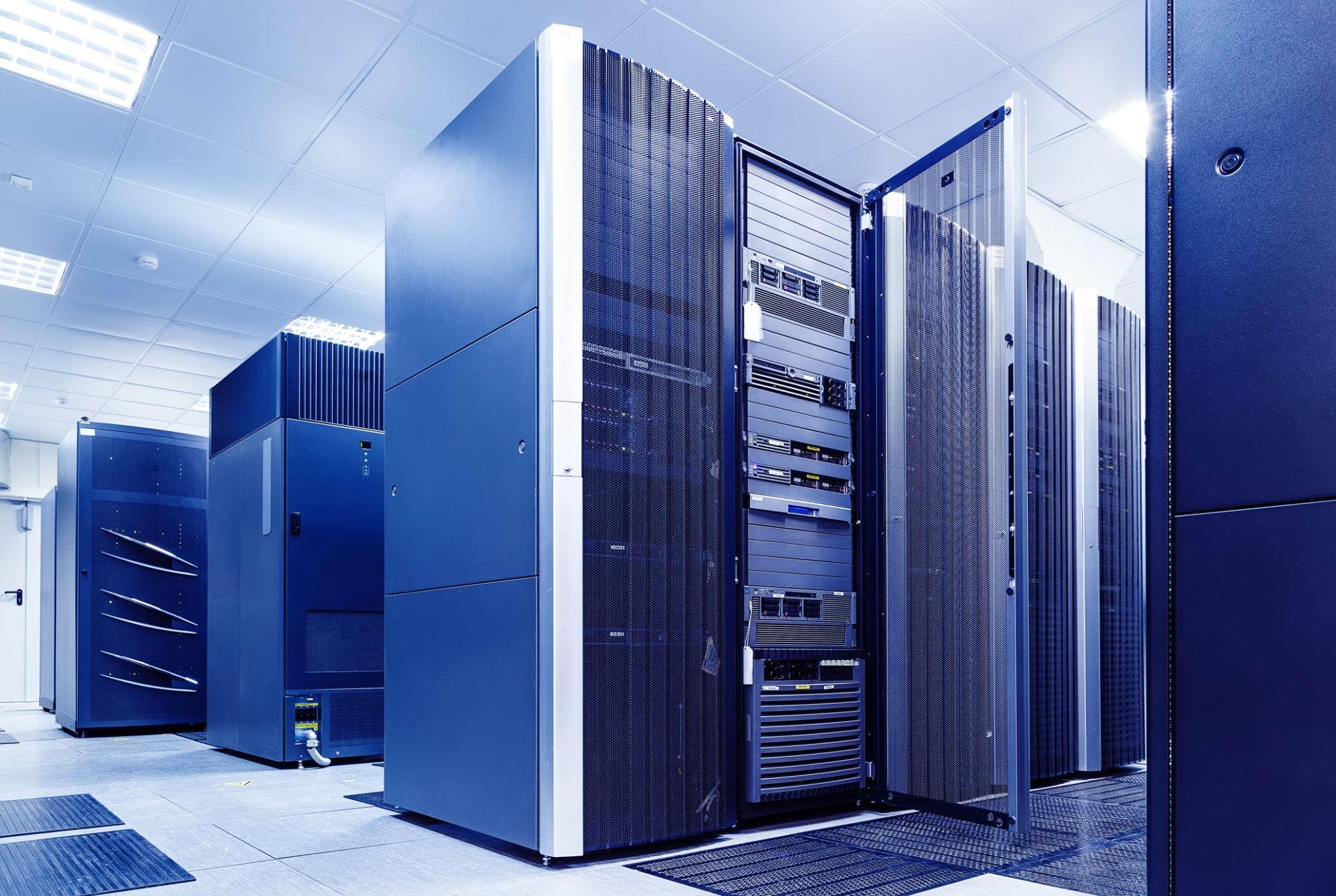
Technology is evolving at an unprecedented pace, and behind every digital advancement lies a powerful and often unseen force: mathematics. While modern innovations may seem effortless to users, they are driven by complex mathematical frameworks that ensure precision, speed, and reliability. Mathematics is not merely a tool for technology; it is the very foundation upon which technological progress is built.
The Mathematical Framework Behind Technology
All technological development starts with logical problem-solving, and mathematics provides the necessary language to structure those solutions. Engineers, developers, and scientists depend on mathematical principles to design systems, analyze performance, and refine processes. Essential branches of mathematics, such as algebra, calculus, statistics, and discrete mathematics, support everything from computer software to network infrastructure, enabling the conversion of theoretical ideas into practical technological applications.
The Role of Mathematics in Artificial Intelligence
Artificial intelligence and machine learning exemplify how mathematics drives innovation. These technologies rely on statistical analysis, linear algebra, and optimization methods to process information and enhance accuracy over time. Mathematical models empower intelligent systems to recognize patterns, evaluate outcomes, and adapt to new data. From virtual assistants to predictive analytics, mathematics equips machines to make informed decisions efficiently.
Data-Driven Innovation and Analytics
In today’s data-centric world, mathematics is crucial for managing and interpreting vast amounts of information. Data science merges mathematical modeling with computational techniques to uncover trends, predict behavior, and support strategic decision-making. Statistical methods such as probability analysis, classification, and regression transform raw data into meaningful insights. Without mathematics, the value hidden within big data would remain out of reach.
Securing the Digital World Through Mathematics
Digital security relies heavily on mathematics. Encryption technologies employ advanced mathematical concepts to protect information across digital platforms. Mathematical algorithms ensure secure online communication, safeguard financial transactions, and prevent unauthorized access. The reliability of modern cybersecurity systems is grounded in mathematical precision and complexity.
Mathematics in Engineering and Technological Design
Engineering innovation is deeply rooted in mathematical modeling and simulation. These techniques enable professionals to analyze real-world scenarios, test designs, and optimize performance before physical implementation. Industries such as robotics, telecommunications, and renewable energy utilize mathematical equations to predict system behavior, mitigate risk, and enhance efficiency. This approach accelerates development while minimizing costly errors.
Shaping the Future of Emerging Technologies
As new technologies emerge, mathematics continues to extend its influence. Fields like blockchain, quantum computing, and advanced simulations depend on mathematical theories to operate effectively. Quantum computing, in particular, challenges traditional computation through mathematical concepts derived from linear algebra and probability theory. These innovations underscore the evolving relationship between mathematics and technology.
The Growing Importance of Mathematical Skills
In the digital age, mathematical understanding transcends technical professions. Analytical thinking, problem-solving, and quantitative reasoning are increasingly valuable across various industries. As automation and intelligent systems proliferate, mathematical literacy empowers individuals to adapt, innovate, and remain competitive in a technology-driven environment. Mathematics transforms abstract concepts into technological realities. It drives innovation, enhances security, and supports intelligent systems that define modern life.
By recognizing mathematics as the driving force behind technology, we gain insight into the essence of innovation—and why mathematical thinking is essential for shaping the future of technological advancement.