Among this far-flung corners of the world, there is a presence of festival involving amalgamation of color and emotion.- HOLIWith the rapid growth of technology, the distance between people seems to be increasing, even though the world is more connected than ever. Today, we often call the world a “global village” because of the Internet, which connects people across countries and continents. Through social media, video calls, and online platforms, we can easily communicate with anyone. However, I feel that this idea may slowly make human relationships more complicated. Many people now depend on technology instead of meeting face to face, and virtual communication is sometimes replacing real, personal interaction.
I am happy to say that I am closely familiar with this kind of cultural connection through festivals. One such festival is Holi, which is widely celebrated in the Indian subcontinent, especially in India and in my native country, Nepal. This festival brings people together beyond differences of religion and background. It creates unity, joy, and strong human bonds, reminding us of the importance of real gatherings and shared celebrations in our lives.
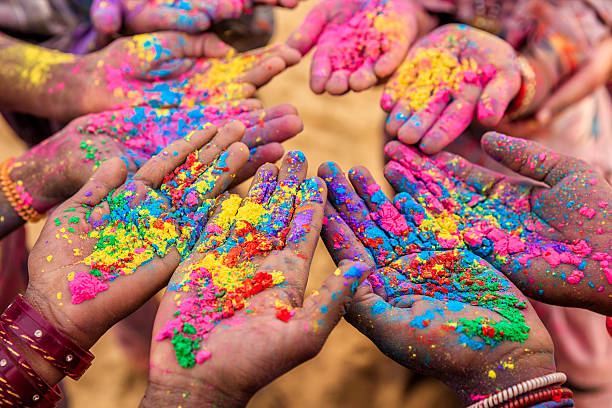
Background of holi:
Holi is a lively and colorful celebration observed mainly in India and in many parts of the world where Indian communities live. It is celebrated in the spring season, usually in March, and represents the end of the cold winter and the beginning of a new, fresh season. Known as the Festival of Colors, Holi is famous for people joyfully throwing bright colored powders and water at one another. This playful tradition reflects unity, happiness, and the spirit of togetherness. Families and friends gather to sing, dance, and enjoy festive foods, making it a time of strong social bonding.
The origins of Holi are deeply rooted in ancient Hindu beliefs and traditional stories. A well-known legend tells the story of Prahlada, a devoted follower of Lord Vishnu, and his father Hiranyakashipu, who was a powerful but arrogant king. Hiranyakashipu demanded that everyone worship him, but Prahlada remained faithful to Vishnu. Angered by his son’s devotion, the king planned to kill him with the help of his sister Holika, who was believed to be immune to fire. She sat with Prahlada in a burning fire, but in the end, Prahlada was saved by divine grace while Holika was destroyed. This story symbolizes the triumph of good over evil and is remembered through the ritual of lighting a sacred bonfire on the eve of Holi.
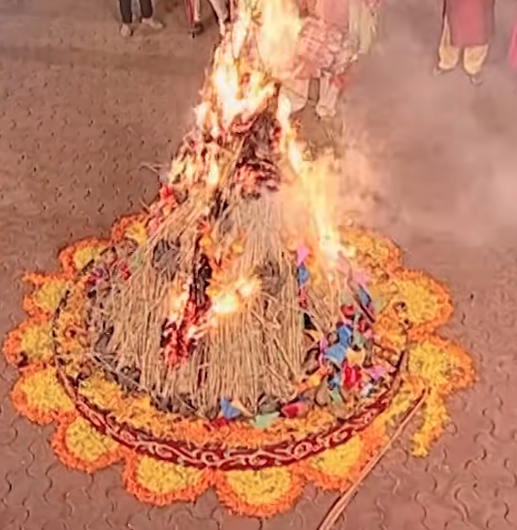
How is this festival celebrated?
Holi is celebrated with great joy and excitement, especially in India and in my native country, Nepal. The celebration usually begins on the night before Holi with a ritual called Holika Dahan, where people gather around a bonfire. This fire symbolizes the victory of good over evil. Families and neighbors come together, offer prayers, and enjoy the warm and friendly atmosphere.
The next day is the main celebration, often called the Festival of Colors. People of all ages go outside and play with colored powders and water. Friends, relatives, and even strangers put colors on each other’s faces as a sign of love, forgiveness, and unity. Music is played in the streets, people dance freely, and traditional sweets are shared among families and visitors. What makes this festival special for me is how it connects people beyond religion and background. In a world that is becoming more digital and distant, Holi brings real smiles, real meetings, and real human connection.

Pros of Holi:
Holi is an important festival because it brings people together in a spirit of joy, unity, and forgiveness. It marks the arrival of spring and symbolizes new beginnings. The festival reminds us that good always wins over evil and encourages people to forget past misunderstandings. In today’s fast-moving and technology-driven world, Holi gives people a chance to reconnect through real meetings, laughter, and shared happiness.
- It represents the victory of good over evil.
- It welcomes the spring season and new beginnings.
- It strengthens relationships by promoting forgiveness and harmony.
- It encourages unity among people of different backgrounds.
- It helps preserve cultural and traditional values.
Overall, Holi plays a meaningful role in society. Beyond the colors and celebrations, it carries a deep message of love, equality, and togetherness. The festival creates a positive environment where social barriers are reduced, and human connections become stronger. It reminds us that true happiness lies not only in modern communication but also in personal interaction and shared cultural experiences.
Cons of holi:
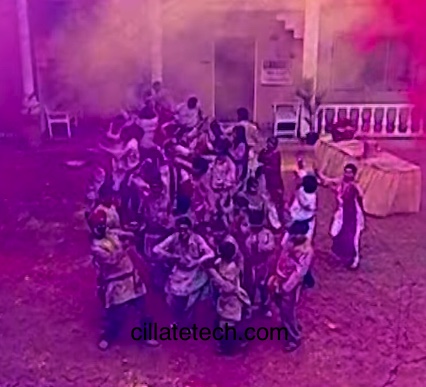
Although Holi is a joyful and meaningful festival, it also has some negative aspects. In recent years, the way it is celebrated has changed in some places. Instead of using natural colors, many people use chemical-based powders that can harm the skin, eyes, and environment. Sometimes, the celebration becomes too wild, and people forget the true purpose of the festival, which is unity and happiness.
- Use of chemical colors that may cause skin allergies and pollution.
- Wastage of a large amount of water during water play.
- Risk of accidents or injuries during careless celebrations.
- Noise and disturbance in public places.
- In some cases, inappropriate behavior under the name of celebration.
Therefore, while Holi spreads joy and togetherness, it should be celebrated responsibly. People should use safe and natural colors, avoid wasting water, and respect others’ comfort and safety. By celebrating in a careful and respectful way, the true meaning of the festival can be protected and enjoyed by everyone.
Suggestion for New people:
Holi is the festival which strengthens and facilitates human relations. This festival is a medium of entertainment and medium of replacement of technology for a sidereal day. Not taking it as a difference in religion, celebrating this festival on your possible convenience will give you great joy, experience and new way to see the world as important amalgam of color.
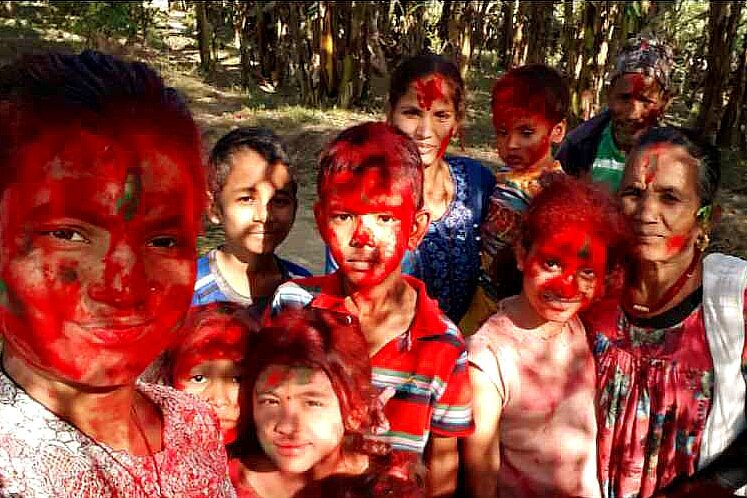
“Moments when colors and emotions spread beneath the open blue sky” truly capture the essence of Holi. During this festival, the sky fills with bright shades, and at the same time, hearts are filled with happiness, love, and unity. Holi is more than just a celebration of colors; it is a celebration of human feelings, forgiveness, and renewed relationships.
In today’s modern world, where technology connects us virtually but often separates us personally, Holi reminds us of the value of genuine interaction. The flying colors under the wide blue sky symbolize hope, harmony, and fresh beginnings. In this way, Holi becomes a special occasion where emotions and colors come together, leaving behind lasting memories and stronger bonds among people.