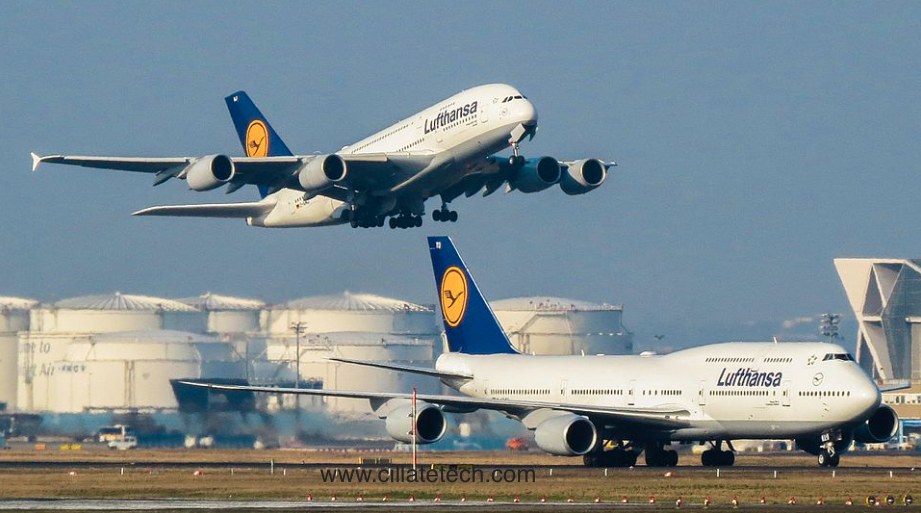
Boeing vs Airbus – Discover the differences in comfort, technology, efficiency, and safety to decide which aircraft is best suited for passengers, airlines, and aviation enthusiasts in 2026.
In commercial aviation, few names are as influential or widely recognized as Boeing and Airbus. Airlines, pilots, and passengers often face the question of which manufacturer delivers the optimal balance of safety, comfort, efficiency, and performance. The choice is rarely simple, as both companies bring distinct engineering philosophies, technological innovations, and advantages that shape the flying experience.
This article examines every critical aspect of Boeing and Airbus aircraft, including passenger experience, technological features, operational performance, and safety considerations. By the end, you will have a clearer perspective on which aircraft might best suit your travel preferences or airline operations.
Boeing vs Airbus: Understanding the Brands
Boeing, established in 1916 in the United States, has built a global reputation for durability, innovation, and operational reliability. Its most recognized aircraft include the Boeing 737, 777, and 787 Dreamliner. These jets are known for their long-range capabilities, advanced cockpit systems, and robust engineering that accommodates a wide range of airline operations.
Airbus, founded in 1970 in Europe, has grown into Boeing’s main competitor, focusing on technological advancement, fuel efficiency, and passenger comfort. Popular Airbus models, such as the A320 family, A350 XWB, and the A380 superjumbo, emphasize wide-body cabins, modern automation, and environmentally conscious designs.
While Boeing typically prioritizes operational range and pilot control, Airbus emphasizes cabin comfort, efficiency, and automation. These differences often influence airline decisions as well as passenger preferences.
Passenger Comfort
Passenger comfort is a significant consideration when comparing Boeing and Airbus aircraft. Airbus frequently takes a slight lead due to wider cabins, quieter engines, and long-haul interior designs that minimize fatigue. Models like the A350 and A380 include larger windows, optimized cabin lighting, and layouts designed to enhance comfort during extended flights.
Boeing has made notable improvements in cabin experience as well. The 787 Dreamliner, for example, incorporates higher cabin humidity, lower cabin altitude, and quieter engines, creating a more relaxing environment for passengers on ultra-long-haul flights.
For shorter domestic routes using the Boeing 737 or Airbus A320, the differences in comfort are less pronounced, though Airbus cabins often feel slightly more spacious. Ultimately, comfort depends on specific aircraft models, airline configurations, and onboard amenities.
Safety and Reliability
Both Boeing and Airbus are renowned for their high safety standards. Boeing emphasizes redundancy and manual pilot control, allowing experienced crews to manage complex scenarios effectively. Airbus relies heavily on fly-by-wire automation, which enhances stability and reduces human error.
Safety, however, is influenced as much by airline maintenance, pilot training, and operational protocols as by aircraft design. Both Boeing and Airbus have decades of proven reliability, supported by global maintenance networks and rigorous safety protocols, ensuring passengers are in safe hands.
Operational Performance and Efficiency
Boeing aircraft are particularly strong in long-haul operations. Jets like the 787 Dreamliner and 777X are capable of nonstop flights across continents, providing airlines with the flexibility to operate extended international routes efficiently.
Airbus planes, including the A350 and A330neo, are designed with fuel efficiency and environmental sustainability in mind. Airlines benefit from lower operational costs, reduced fuel consumption, and better emissions profiles when operating these aircraft.
While Boeing jets may cruise slightly faster, Airbus designs prioritize optimal fuel usage and passenger comfort. Both manufacturers are investing in advanced materials, aerodynamics, and alternative fuels to support a sustainable future for aviation.
Technology and Innovation
Boeing has a long history of innovation, particularly in cockpit systems, pilot assistance technology, and research into sustainable fuels. Its aircraft are designed for operational flexibility, allowing airlines to optimize performance for specific routes and passenger needs.
Airbus is a leader in automation, energy efficiency, and passenger-centric design. Fly-by-wire technology, wide panoramic windows, and innovative interior layouts demonstrate a commitment to modern aviation that enhances both safety and passenger comfort. Both companies are actively developing hybrid and electric propulsion systems, signaling a shift toward greener and more efficient flight solutions.
Use Cases: Matching Aircraft to Your Needs
For regional and domestic travel, the Boeing 737 and Airbus A320 are among the most commonly used aircraft. Long-haul international flights are well-served by the Boeing 787 Dreamliner and Airbus A350, which offer superior range, efficiency, and comfort. For high-capacity international routes, airlines may opt for the Boeing 777X or Airbus A380, which provide large passenger capacity and premium service options.
Choosing the ideal aircraft depends on route length, passenger volume, comfort requirements, and operational priorities. Both Boeing and Airbus offer flexible solutions tailored to a variety of airline needs.
Pros and Cons
Boeing aircraft are known for long-haul performance, robust cockpit systems, and operational durability, making them a reliable choice for airlines. Some older Boeing models feature narrower cabins, and fuel efficiency on certain jets may be slightly lower than Airbus equivalents.
Airbus excels in cabin comfort, automation, and energy efficiency. Wider cabins and modern interiors enhance passenger experience, though some pilots may prefer more manual control. Additionally, larger Airbus models like the A380 are gradually being phased out by many airlines.
Which Aircraft Is Right for You?
Passengers who prioritize cabin spaciousness, quieter interiors, and modern amenities may find Airbus aircraft more appealing. Those who value long-range performance, cockpit innovations, and operational flexibility may prefer Boeing. Both manufacturers produce world-class aircraft, and the choice often depends on the specific model, flight route, and personal preference rather than declaring one brand universally superior.
The debate between Boeing and Airbus is less about which is better overall and more about which is suited to particular needs. Both manufacturers continue to innovate in safety, efficiency, comfort, and technology, ensuring their aircraft remain among the safest and most reliable in the world.
Understanding the differences between Boeing and Airbus aircraft allows travelers, airlines, and aviation enthusiasts to make informed decisions. By considering passenger experience, operational efficiency, and sustainability, you can determine which aircraft aligns best with your priorities for 2026 and beyond.