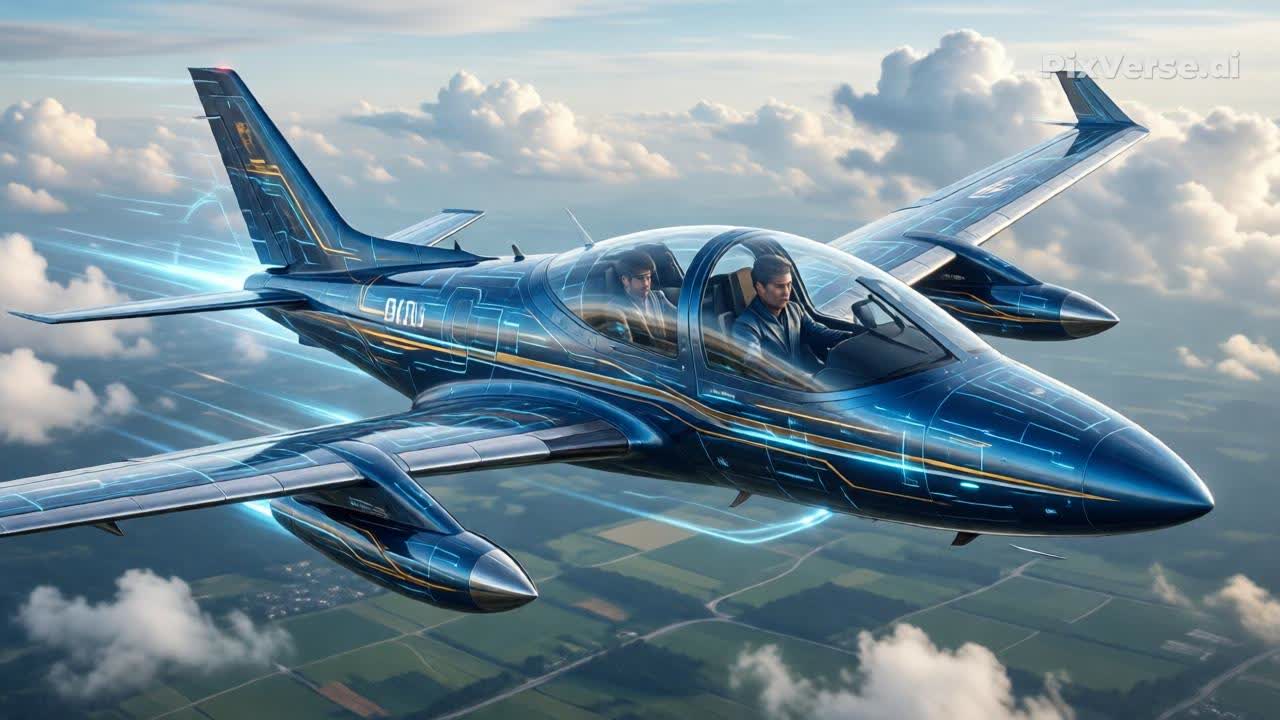
Aeronautic technology is at the heart of how humans conquer the skies. From the earliest propeller-driven aircraft to today’s intelligent, fuel-efficient jets and space-ready vehicles, advancements in aeronautics continue to redefine speed, safety, and sustainability in aviation. This field blends engineering, physics, materials science, and digital innovation to push the limits of what flight can achieve.
What Is Aeronautic Technology?
Aeronautic technology focuses on the design, development, testing, and operation of aircraft that fly within Earth’s atmosphere. This includes commercial airplanes, military jets, helicopters, drones, and emerging air mobility systems. The goal is simple but ambitious: make air travel faster, safer, more efficient, and more environmentally responsible.
Key Components of Modern Aeronautic Technology
1. Aircraft Design and Aerodynamics
Aerodynamics plays a crucial role in flight performance. Engineers use advanced simulations and wind-tunnel testing to design aircraft shapes that reduce drag and increase lift. Modern wing designs, such as blended wing bodies and winglets, significantly improve fuel efficiency and stability.
2. Advanced Materials
Traditional aluminum structures are increasingly replaced by composite materials like carbon fiber–reinforced polymers. These materials are lighter, stronger, and more resistant to corrosion, allowing aircraft to fly longer distances while consuming less fuel.
3. Propulsion Systems
Jet engines have evolved to become quieter, more powerful, and more fuel-efficient. High-bypass turbofan engines dominate commercial aviation, while research into hybrid-electric and hydrogen propulsion aims to reduce carbon emissions and noise pollution.
4. Avionics and Automation
Modern aircraft rely on sophisticated avionics systems, including GPS navigation, fly-by-wire controls, and automated flight management systems. Artificial intelligence and machine learning are now being integrated to assist pilots with decision-making, predictive maintenance, and autonomous flight capabilities.
The Role of Sustainability in Aeronautics
One of the biggest challenges facing the aviation industry is environmental impact. Aeronautic technology is actively addressing this through:
- Sustainable Aviation Fuels (SAF): Biofuels and synthetic fuels that reduce carbon emissions.
- Electric and Hybrid Aircraft: Especially promising for short-haul flights and urban air mobility.
- Lightweight Structures: Reducing aircraft weight directly lowers fuel consumption.
- Optimized Flight Paths: AI-driven systems help minimize fuel burn and emissions.
Sustainability is no longer optional—it is shaping the next generation of aircraft.
Drones and Unmanned Aerial Systems (UAS)
Drones represent one of the fastest-growing areas in aeronautic technology. Used in industries such as agriculture, defense, logistics, filmmaking, and disaster management, unmanned aerial systems rely on advanced sensors, communication systems, and autonomous navigation. Their success is accelerating innovation across the entire aeronautics sector.
Future Trends in Aeronautic Technology
Looking ahead, several exciting trends are emerging:
- Urban Air Mobility (UAM): Flying taxis and vertical takeoff and landing (VTOL) aircraft for city transport.
- Supersonic and Hypersonic Travel: Aircraft capable of flying faster than Mach 1, drastically reducing travel time.
- Digital Twins: Virtual replicas of aircraft used for real-time monitoring and maintenance.
- Spaceplane Technology: Bridging aeronautics and astronautics for reusable space access.
These innovations suggest a future where air travel is not only faster but also smarter and more accessible.
Why Aeronautic Technology Matters
Aeronautic technology connects the world. It supports global trade, tourism, emergency response, and national security. Beyond transportation, it drives innovation in other fields such as robotics, materials science, and artificial intelligence. Every breakthrough in aeronautics has a ripple effect across science and society.
Aeronautic technology is a powerful engine of progress. As engineers and researchers continue to innovate, the skies will become cleaner, safer, and more efficient. Whether it’s through sustainable fuels, intelligent automation, or revolutionary aircraft designs, aeronautic technology is shaping the future of flight—and the future of how we connect with the world.