Computational Science has emerged as a cornerstone of modern innovation, integrating computer science, mathematics, and domain-specific knowledge to solve complex real-world problems. From climate modeling to artificial intelligence, it enables researchers and industries to simulate, analyze, and predict outcomes with unprecedented accuracy. This article explores the evolution, applications, and future potential of computational science, highlighting its growing importance in shaping the technological landscape of the 21st century. In an age driven by data and technology, traditional experimental methods alone are no longer sufficient to tackle complex global challenges. Computational Science bridges this gap by leveraging advanced algorithms, high-performance computing, and data analysis techniques. It is not just a field of study—it is a powerful approach to understanding systems that are too large, too small, or too complex for physical experimentation. Whether predicting natural disasters or designing new drugs, computational science is revolutionizing how knowledge is created.
Evolution of Computational Science
The roots of computational science can be traced back to early numerical methods and the development of digital computers in the mid-20th century. Over time, advancements in processing power and storage have enabled more sophisticated simulations.
Key milestones include:
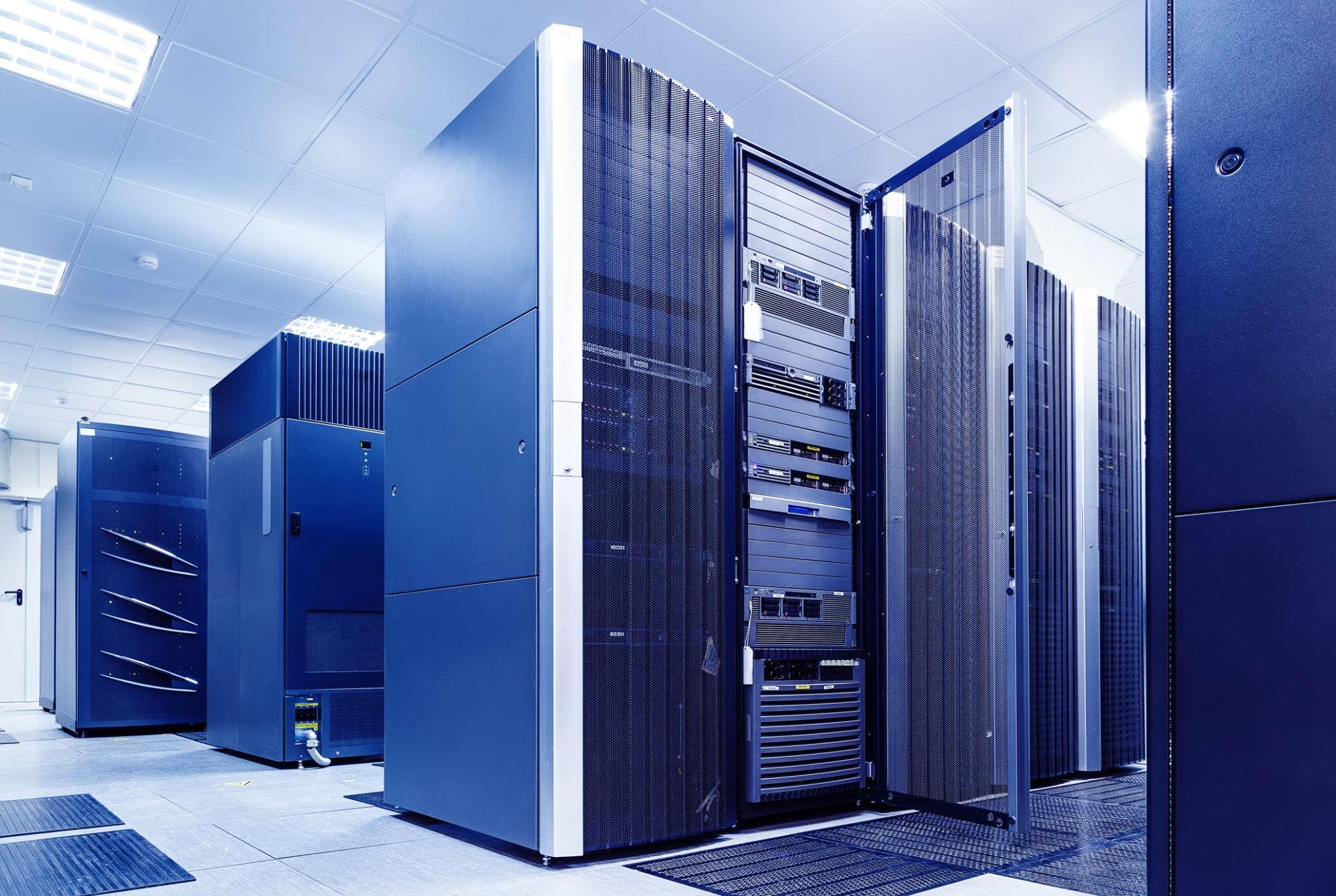
- Development of supercomputers capable of processing massive datasets
- Emergence of parallel computing and distributed systems
- Integration of machine learning and artificial intelligence
Today, computational science stands at the intersection of multiple disciplines, making it one of the most dynamic and rapidly evolving fields.
Core Components
Computational science is built on three fundamental pillars:
1. Mathematical Modeling
Mathematical equations are used to represent real-world phenomena, such as fluid dynamics, population growth, or financial markets.
2. Algorithms and Numerical Methods
Efficient algorithms are essential to solve complex equations that cannot be addressed analytically.
3. High-Performance Computing (HPC)
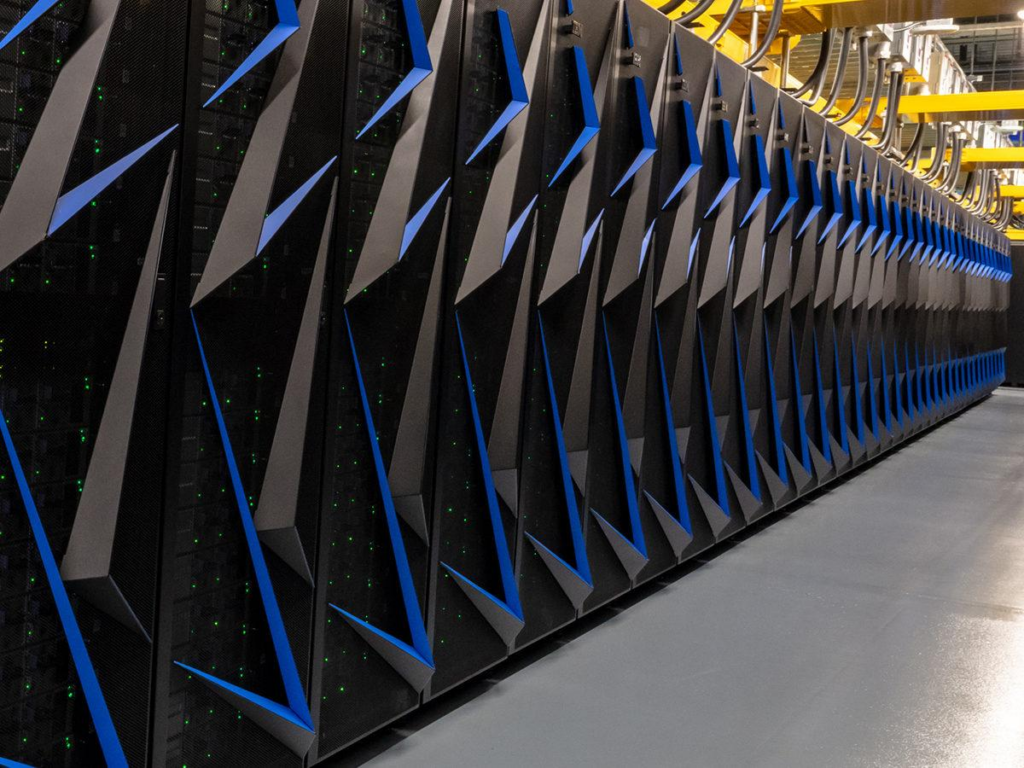
Supercomputers and cloud-based systems enable the processing of large-scale simulations and datasets.
These components work together to transform theoretical concepts into practical solutions.
Applications Across Industries
Computational science has wide-ranging applications that impact everyday life:
Healthcare and Medicine
- Drug discovery and vaccine development
- Medical imaging and diagnostics
- Personalized treatment plans
Climate Science
- Weather forecasting
- Climate change modeling
- Disaster prediction and mitigation
Engineering and Manufacturing
- Simulation of structures and materials
- Optimization of production processes
- Design of advanced technologies
Finance and Economics
- Risk analysis and forecasting
- Algorithmic trading
- Fraud detection
Artificial Intelligence
- Machine learning model training
- Natural language processing
- Computer vision systems
These applications demonstrate the versatility and importance of computational science in solving real-world problems.
Computational Science in Developing Countries
For countries like Nepal, computational science offers significant opportunities:
- Enhancing disaster management systems (earthquakes, floods)
- Improving agricultural productivity through data-driven insights
- Expanding digital innovation and IT-based employment
With increasing internet access and technological adoption, young professionals can leverage computational tools to contribute to global research and development.
Challenges and Limitations
Despite its advantages, computational science faces several challenges:
- High cost of advanced computing infrastructure
- Need for interdisciplinary expertise
- Data privacy and ethical concerns
- Computational errors and model inaccuracies
Addressing these challenges requires collaboration between governments, academia, and industry.
Future Prospects
The future of computational science is closely tied to emerging technologies:
- Quantum Computing: Solving problems beyond classical limits
- Artificial Intelligence Integration: Enhancing predictive accuracy
- Cloud Computing: Making high-performance computing accessible
- Big Data Analytics: Unlocking insights from massive datasets
As these technologies evolve, computational science will continue to expand its impact across all sectors.
Computational science is no longer a specialized field—it is a fundamental driver of modern innovation. By combining computation with scientific inquiry, it enables humanity to tackle challenges that were once considered unsolvable.
In the coming years, its role will only grow stronger, influencing everything from healthcare to environmental sustainability. For individuals and nations alike, embracing computational science is not just an option—it is a necessity for progress in the digital age.