Animal husbandry, long regarded as a practice rooted in tradition and instinct, is now entering a phase of rapid intellectual and technological evolution. What was once dependent on manual labor, seasonal patterns, and inherited knowledge is being reshaped by innovation, data, and automation. Today, the sector is not merely about raising animals—it is about managing biological systems with precision, efficiency, and sustainability. As global demand for meat, dairy, and wool continues to rise, the pressure to modernize livestock practices has intensified, pushing farmers and researchers to explore new, technology-driven approaches that redefine the very essence of animal care.
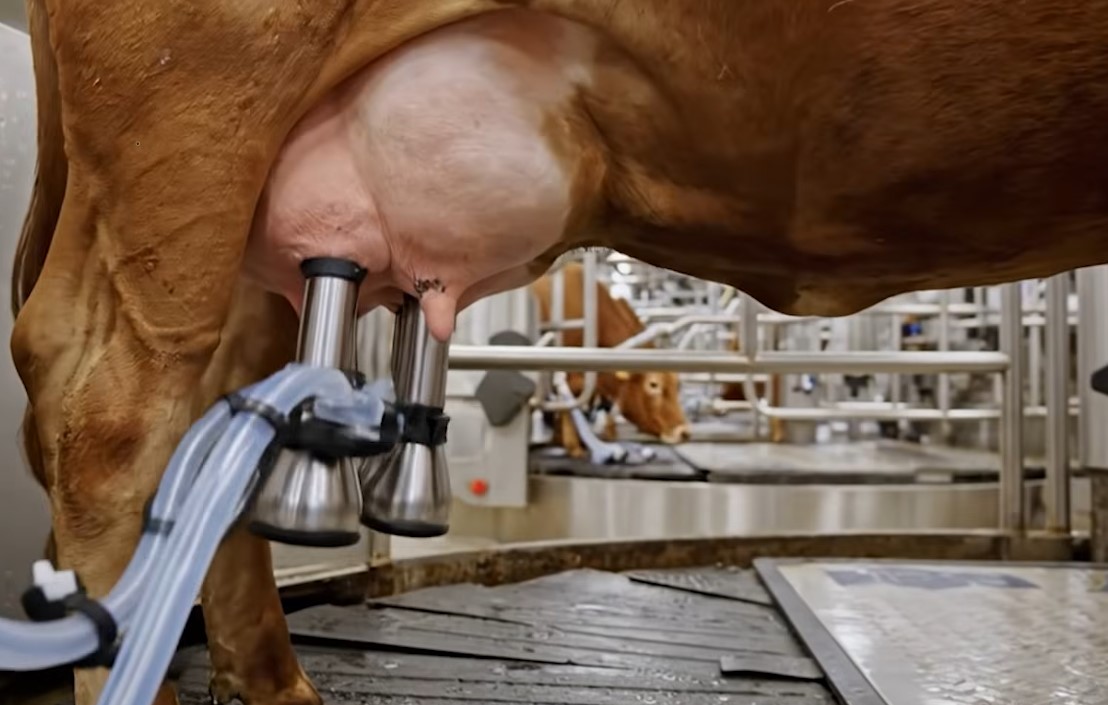
One of the most significant transformations lies in automation within daily farm operations. Tasks that once required hours of physical labor are now performed with remarkable efficiency through machines and robotics. Automated milking systems, for instance, allow cows to be milked with minimal human intervention while maintaining hygiene and consistency. These systems can monitor milk quality, detect irregularities, and even track the health of individual animals. Similarly, in sheep farming, mechanized shearing equipment has streamlined the process of wool harvesting, reducing stress on animals while improving productivity. Feeding systems have also evolved, with automated dispensers delivering precise quantities of nutrition based on each animal’s requirements. These advancements not only enhance efficiency but also ensure that animals receive consistent and optimal care.
Health monitoring and veterinary care have also undergone a technological revolution. Modern farms are increasingly equipped with wearable sensors and smart devices that track vital parameters such as body temperature, movement, and feeding behavior. These systems can detect early signs of illness, allowing farmers to intervene before conditions worsen. In large-scale operations, where manual observation of every animal is impractical, such technologies provide a level of oversight that was previously unattainable. Moreover, data analytics tools are being used to identify patterns in animal health, enabling predictive care and reducing the likelihood of disease outbreaks. This shift from reactive to proactive healthcare represents a fundamental improvement in both animal welfare and farm productivity.
Breeding practices, another cornerstone of animal husbandry, have been significantly enhanced through scientific and technological advancements. Genetic analysis and selective breeding techniques are now used to improve desirable traits such as disease resistance, growth rate, and milk production. Artificial insemination and embryo transfer technologies have further expanded the possibilities, allowing farmers to maintain high-quality livestock without the limitations of natural breeding cycles. These innovations are not only increasing efficiency but also contributing to the long-term sustainability of livestock populations by promoting genetic diversity and resilience.
Environmental management is becoming an increasingly important focus within the sector. Modern animal husbandry is no longer isolated from ecological concerns; it is deeply intertwined with them. Technologies such as waste management systems, biogas production, and precision feeding are helping to reduce the environmental impact of livestock farming. For example, advanced manure management systems can convert waste into renewable energy, reducing greenhouse gas emissions while providing an additional source of income for farmers. Similarly, precision feeding techniques ensure that animals receive exactly what they need, minimizing waste and reducing the environmental footprint of feed production.
Transportation and supply chain management have also seen significant improvements through technology. The movement of livestock and animal products is now supported by advanced logistics systems that ensure efficiency and safety. Temperature-controlled transport, real-time tracking, and automated scheduling help maintain the quality of products while reducing losses. Digital marketplaces and online platforms are connecting farmers directly with consumers, eliminating intermediaries and increasing profitability. This integration of technology across the supply chain ensures that the benefits of innovation extend beyond the farm and into the broader economy.
In addition to these advancements, the integration of digital tools into livestock management is opening new possibilities for control and monitoring. Technologies such as GPS tracking and digital fencing, while just one aspect of the broader system, allow farmers to manage grazing patterns and monitor animal movement with precision. These tools enable better land utilization, reduce the need for physical barriers, and provide valuable insights into animal behavior. When combined with other technologies, they contribute to a more holistic and efficient management system.
Education and knowledge-sharing are also being transformed by digital platforms. Farmers now have access to online resources, training programs, and real-time advisory services that help them adopt modern practices. Mobile applications and farm management software provide insights, recommendations, and data visualization tools that simplify decision-making. This democratization of knowledge is empowering even small-scale farmers to embrace innovation and improve their operations.
Ultimately, the evolution of animal husbandry is not about replacing tradition but enhancing it. Technology serves as a bridge between age-old practices and modern efficiency, enabling farmers to achieve more with less while maintaining a high standard of animal welfare. By integrating automation, data analytics, environmental management, and digital tools, the sector is moving toward a future that is both sustainable and intelligent. Animal husbandry, once seen as a purely manual endeavor, is now emerging as a sophisticated discipline—one that reflects the broader transformation of agriculture in the digital age.