The 21st century is not merely an era of technological advancement—it is an age defined by algorithms. Beneath every digital interaction lies a complex web of computational logic that shapes decisions, predicts behavior, and influences outcomes at a scale never witnessed before. From the moment we unlock our smartphones to the recommendations we receive online, algorithms are constantly at work, refining experiences and optimizing efficiency. What makes this transformation extraordinary is not just the presence of technology, but its ability to learn, adapt, and evolve. The algorithmic age represents a shift from static systems to dynamic intelligence, where machines no longer simply execute instructions but actively participate in shaping human experiences.
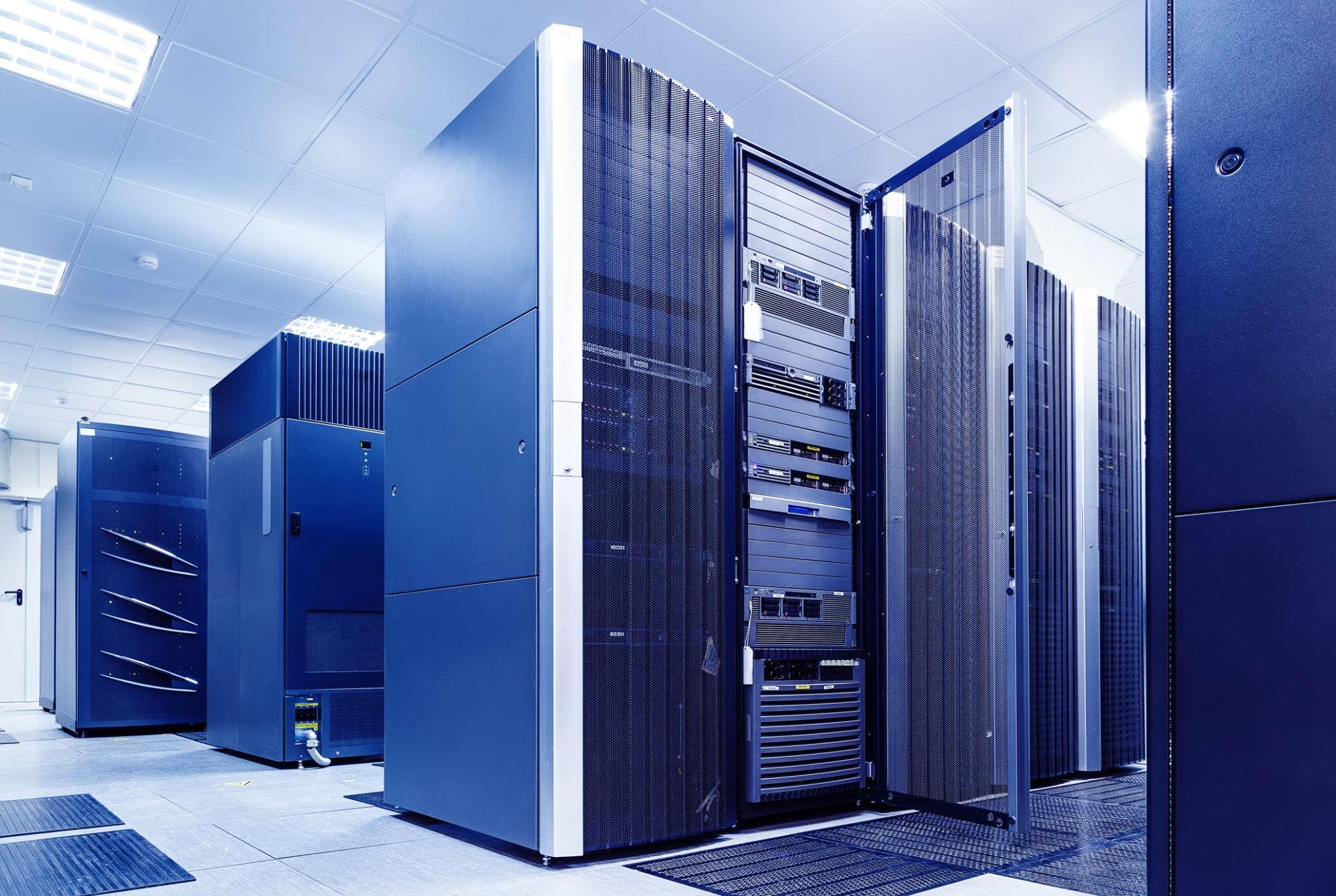
At the heart of this revolution lies the unprecedented growth of computational power and data availability. Modern systems are capable of processing billions of operations per second, enabling real-time analysis and decision-making. Organizations such as Microsoft and IBM have been at the forefront of developing advanced computing infrastructures that support this transformation. These systems are designed to handle massive datasets, uncover hidden patterns, and generate insights that were previously unattainable. In industries ranging from healthcare to finance, data-driven decision-making has become the norm, replacing intuition with evidence-based strategies that enhance accuracy and efficiency.
One of the most compelling aspects of the algorithmic age is the rise of predictive intelligence. Unlike traditional systems that respond to inputs, modern technologies anticipate needs before they arise. Predictive models analyze historical data to forecast future trends, enabling businesses to optimize operations and reduce risks. In retail, for example, inventory systems can predict demand fluctuations with remarkable precision, minimizing waste and maximizing profitability. In healthcare, predictive analytics can identify potential health risks, allowing for early intervention and improved patient outcomes. This proactive approach represents a fundamental shift in how problems are addressed, moving from reaction to anticipation.
Equally transformative is the role of natural language processing (NLP), which has bridged the gap between human communication and machine understanding. Advances in NLP have enabled systems to interpret, analyze, and generate human language with increasing accuracy. This has revolutionized customer service, content creation, and even education, where intelligent systems can provide personalized learning experiences. The ability of machines to understand context, tone, and intent has made interactions more intuitive and accessible, bringing technology closer to human-like communication.
Another defining feature of modern technology is its ability to scale globally with minimal friction. Digital platforms can reach millions of users instantly, breaking down geographical barriers and creating interconnected ecosystems. Cloud-based services have played a crucial role in this expansion, allowing businesses to deploy applications and services worldwide without the need for extensive physical infrastructure. This scalability has not only accelerated innovation but has also democratized access to technology, enabling individuals and small organizations to compete on a global stage.
However, the rapid advancement of technology also raises important ethical considerations. The use of algorithms in decision-making processes has sparked debates حول transparency, bias, and accountability. When systems are trained on biased data, they can produce outcomes that reinforce existing inequalities. Ensuring fairness and inclusivity in algorithmic systems is a critical challenge that requires continuous effort and oversight. Ethical frameworks and regulatory measures are essential to ensure that technology serves humanity in a responsible and equitable manner.
Automation continues to redefine the nature of work, introducing both opportunities and challenges. While repetitive tasks are increasingly handled by machines, new roles are emerging that require creativity, critical thinking, and technical expertise. The workforce is undergoing a transformation, where adaptability and lifelong learning have become essential skills. Educational systems are also evolving to meet these demands, incorporating technology-driven learning methods that prepare individuals for a rapidly changing job market.
Looking to the future, the convergence of technologies such as artificial intelligence, augmented reality, and advanced robotics promises to unlock new dimensions of human potential. These innovations have the capacity to enhance productivity, improve quality of life, and address some of the world’s most pressing challenges. From smart cities that optimize resource usage to intelligent healthcare systems that provide personalized treatment, the possibilities are vast and transformative. The algorithmic age is not just about machines becoming smarter—it is about humans becoming more empowered through technology.
In conclusion, the rise of algorithms marks a pivotal moment in human history. Technology is no longer a passive tool; it is an active force that shapes decisions, influences behavior, and drives progress. As we navigate this new era, the focus must shift from merely adopting technology to understanding and guiding its impact. By embracing innovation while addressing ethical challenges, we can harness the full potential of the algorithmic age and create a future where technology enhances, rather than defines, what it means to be human.