Unmanned technologies are transforming industries, defense, research, and daily life by enabling autonomous operation in environments that are dangerous, inaccessible, or inefficient for humans. From the skies to the seas and the land, unmanned systems are redefining mobility, intelligence, and automation. These technologies combine robotics, artificial intelligence, advanced sensors, and real-time data processing to perform complex tasks without direct human intervention, delivering efficiency, safety, and versatility across multiple domains.
Unmanned Aerial Vehicles (UAVs)
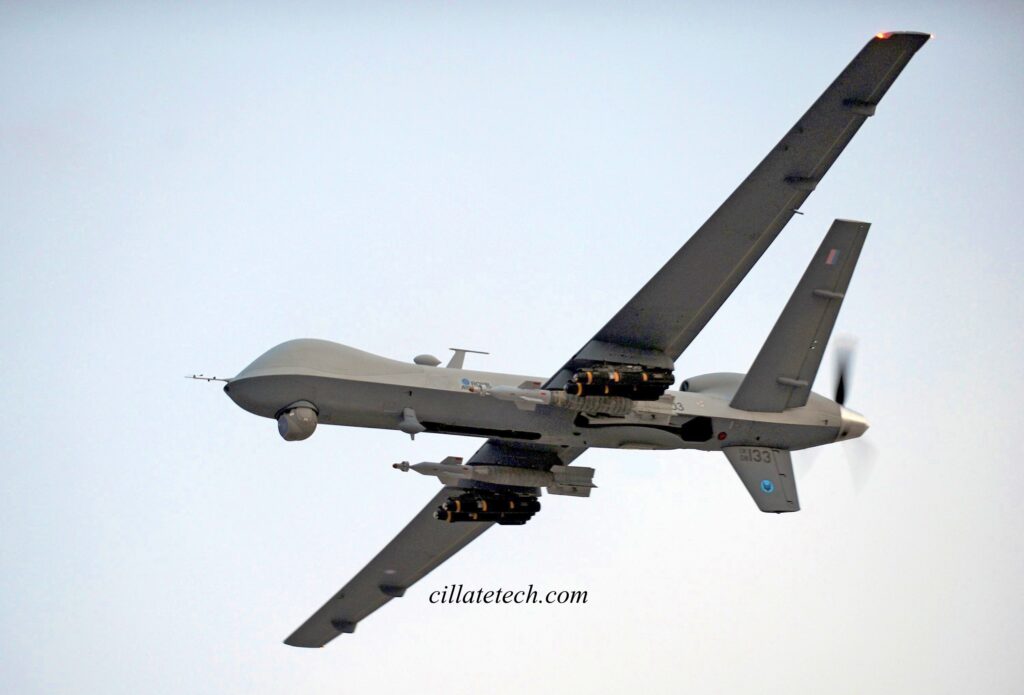
Unmanned aerial vehicles, commonly known as drones, are perhaps the most widely recognized unmanned systems. They range from small quadcopters used for photography and recreational purposes to large military-grade aircraft designed for surveillance and combat. UAVs rely on sophisticated navigation systems, AI-driven flight control, and advanced sensors to operate autonomously or semi-autonomously. In civilian contexts, they are used for aerial mapping, delivery services, disaster monitoring, and environmental research. Militarily, UAVs provide reconnaissance, surveillance, and targeted operational capabilities without risking human pilots. The continuous evolution of UAVs, with longer flight durations, better payload capacity, and AI-based obstacle avoidance, is pushing the boundaries of aerial autonomy.
Unmanned Ground Vehicles (UGVs)
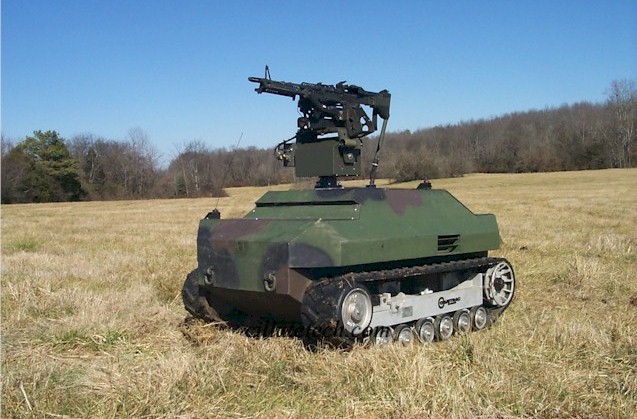
Unmanned ground vehicles operate on land and serve applications ranging from logistics and agriculture to defense and exploration. These autonomous or remotely controlled vehicles use advanced sensors, GPS navigation, and AI algorithms to traverse complex terrains without human intervention. In agriculture, UGVs perform tasks such as crop monitoring, soil analysis, and automated harvesting, increasing efficiency and productivity. In military operations, they are deployed for bomb disposal, reconnaissance, and supply delivery in high-risk zones, reducing human casualties. UGVs are also being explored in urban environments for last-mile delivery, surveillance, and infrastructure inspection, highlighting their versatility across industries.
Unmanned Surface Vehicles (USVs)
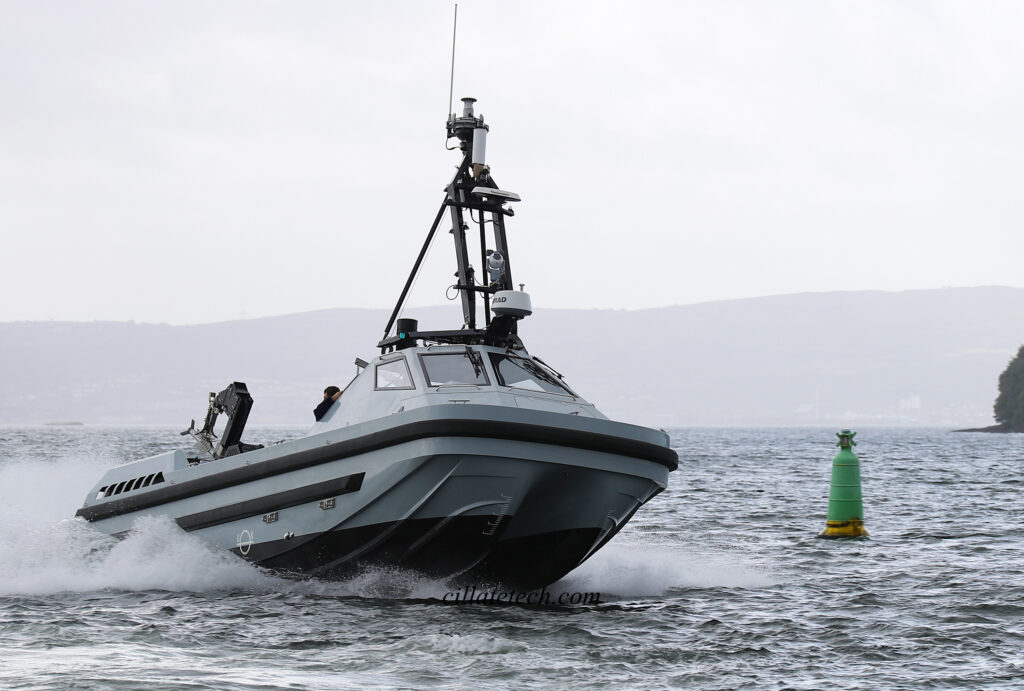
Unmanned surface vehicles are autonomous boats or ships that operate on the surface of water bodies. Equipped with GPS, radar, sonar, and communication systems, USVs perform tasks such as maritime surveillance, oceanographic research, and environmental monitoring. In defense, USVs are used for mine detection, patrolling, and logistical support. Civilian applications include monitoring water quality, mapping coastal regions, and assisting in search-and-rescue operations. USVs can operate in harsh weather conditions or dangerous waters where manned vessels would face significant risk, offering cost-effective and safe alternatives for marine operations.
Unmanned Underwater Vehicles (UUVs)
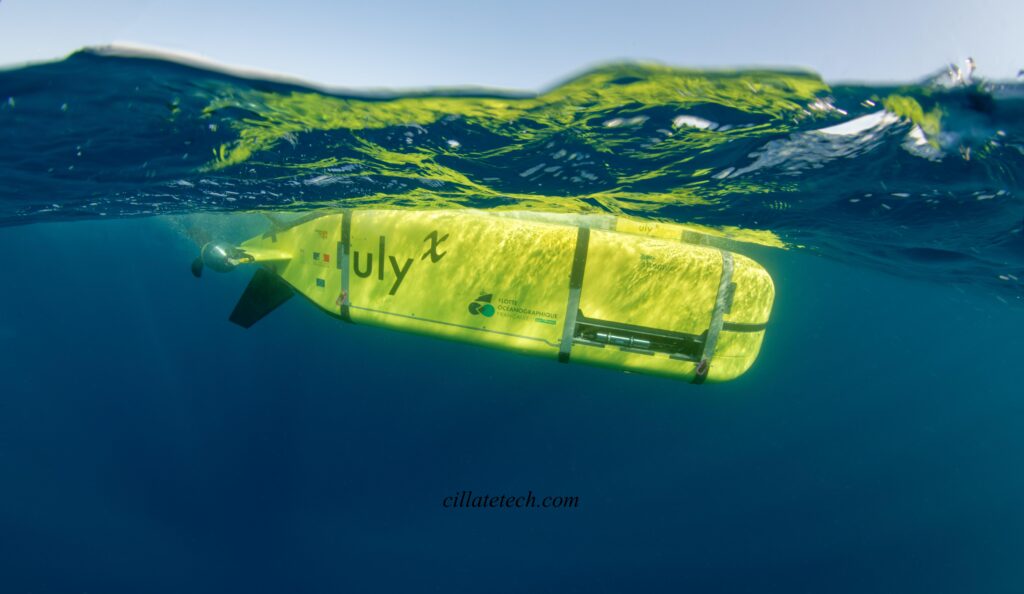
Unmanned underwater vehicles, also known as autonomous underwater vehicles (AUVs) or remotely operated vehicles (ROVs), operate beneath the water surface for exploration, research, and defense purposes. They use sonar, cameras, and advanced sensors to navigate, map, and inspect underwater environments. In scientific research, UUVs explore deep-sea ecosystems, monitor marine biodiversity, and collect geological data. In industrial applications, they assist in pipeline inspections, underwater construction, and resource exploration. Military operations employ UUVs for mine detection, submarine tracking, and intelligence gathering. Their ability to operate autonomously in deep or hazardous waters provides significant advantages over traditional manned submarines.
Applications in Industry and Research
The innovation of unmanned technologies extends across multiple sectors. In logistics, unmanned systems improve delivery efficiency and reduce operational costs. In agriculture, autonomous vehicles optimize planting, irrigation, and harvesting processes. In environmental monitoring, unmanned aerial, surface, and underwater systems gather critical data on climate change, pollution, and wildlife. Industrial inspection benefits from UGVs, UAVs, and UUVs inspecting infrastructure, pipelines, and offshore facilities without endangering human workers. These systems also facilitate research in inaccessible or hazardous areas, enabling discoveries and operations that were previously impractical or unsafe.
Challenges and Limitations
Despite their potential, unmanned technologies face technical, regulatory, and ethical challenges. Autonomy requires advanced AI, robust sensors, and reliable communication systems, which can be expensive and complex to develop. Regulatory frameworks for airspace, maritime zones, and urban environments are evolving, creating legal and safety hurdles. Cybersecurity threats, such as hacking or signal interference, pose risks to unmanned operations. Ethical concerns about autonomous decision-making, particularly in military applications, also require careful consideration. Additionally, battery life, environmental conditions, and maintenance remain limiting factors for extended autonomous operations.
The Future of Unmanned Technologies
The future of unmanned technologies lies in greater autonomy, enhanced AI integration, and interoperability among different platforms. Hybrid systems combining aerial, surface, ground, and underwater unmanned vehicles could create comprehensive monitoring and operational networks. Advances in AI, battery technology, sensor fusion, and real-time data analytics will allow unmanned systems to operate more intelligently and efficiently in complex environments. Increased adoption across industry, research, and defense is expected, democratizing access to autonomous capabilities and enabling humans to focus on strategic decision-making rather than routine operational tasks.
Unmanned technologies are revolutionizing how humans explore, operate, and monitor the world. From UAVs in the sky to UGVs on land, USVs on the water, and UUVs beneath the surface, these systems provide unparalleled autonomy, efficiency, and safety. While challenges related to regulation, security, and ethics persist, the continued innovation of unmanned platforms promises a future where autonomous technologies enhance productivity, safety, and discovery across multiple sectors. As these systems evolve, they will become indispensable tools, transforming industries and redefining human capabilities in the modern era.
Reference: Wikipedia