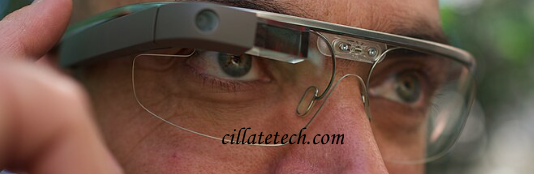
Wearable technology is rapidly reshaping the way humans interact with digital information, and smart glasses represent one of the most promising frontiers in this evolution. Unlike traditional wearables such as fitness trackers or smartwatches, smart glasses integrate computing power directly into eyewear, providing real-time augmented reality (AR) experiences, notifications, and hands-free access to information. From enhancing productivity in workplaces to transforming entertainment, navigation, and communication, smart glasses are poised to redefine human interaction with technology.
Evolution of Wearable Technology
The journey of wearable technology began with simple devices like pedometers and heart rate monitors. Over time, advancements in sensors, microprocessors, and wireless connectivity paved the way for devices capable of real-time data analysis and connectivity. Smartwatches, fitness trackers, and even wearable medical devices became mainstream, setting the stage for more sophisticated wearables. Smart glasses, equipped with AR, AI, and connectivity, represent the next stage, offering immersive experiences while keeping users connected without relying on smartphones or other intermediary devices.
Features of Smart Glasses
Modern smart glasses incorporate a variety of advanced technologies:
- Augmented Reality (AR) – Overlaying digital information onto the real world, enabling navigation, live translations, or interactive gaming.
- Voice Control – Hands-free operation through AI assistants like Siri, Alexa, or Google Assistant, allowing commands, messages, or queries to be processed instantly.
- Sensors and Health Monitoring – Tracking metrics such as eye movement, posture, heart rate, or activity levels.
- Connectivity – Seamless integration with smartphones, IoT devices, or cloud services for data synchronization and notifications.
- Real-Time Communication – Live video streaming, AR conferencing, and on-the-go collaboration.
Applications in Daily Life
Smart glasses have applications across multiple domains. In professional settings, they can assist engineers, surgeons, and technicians by providing real-time guidance and overlays during complex tasks. In education, they enhance learning through interactive 3D visualizations and immersive lessons. For consumers, smart glasses can revolutionize navigation, entertainment, and social interaction, offering notifications, AR games, and live translations without the need to glance at a phone screen.
Impact on Healthcare
Wearable smart glasses hold significant potential in healthcare. Surgeons can access patient data and imaging overlays during procedures, reducing errors and improving efficiency. Patients can benefit from AR-based rehabilitation programs, while continuous monitoring of vital signs provides real-time feedback for chronic disease management. By integrating AI, smart glasses can also offer predictive analytics, alerting users or healthcare providers to potential health risks before they become critical.
Challenges and Limitations
Despite their potential, smart glasses face several challenges. Privacy concerns are significant, as cameras and sensors may capture sensitive information in public or private settings. Battery life and processing power remain constraints, as AR and AI functionalities are energy-intensive. Additionally, social acceptance is a barrier, as wearing technology on the face can feel intrusive or stigmatized. Developers must balance functionality, aesthetics, and ethics to ensure widespread adoption.
The Future of Smart Glasses
The future of smart glasses is tied to the broader evolution of wearable and AR technologies. Advances in AI, battery technology, miniaturization, and wireless connectivity will make devices lighter, smarter, and more socially acceptable. Future smart glasses may include fully integrated AR experiences, real-time language translation, emotion recognition, and seamless interaction with smart environments. As 5G and eventually 6G networks expand, these devices will benefit from ultra-low latency, enabling immersive and interactive experiences previously limited to fiction.
Integration with IoT and AI
Smart glasses are likely to become central hubs in the Internet of Things (IoT) ecosystem. By connecting to smart homes, vehicles, and wearable health devices, they will provide a unified interface for controlling and monitoring multiple systems. AI integration will allow these devices to anticipate user needs, filter information intelligently, and personalize experiences in real time. The synergy of AI, IoT, and AR promises a future where digital and physical realities merge seamlessly.
Societal and Ethical Implications
As smart glasses become more prevalent, society will need to address ethical concerns such as surveillance, data privacy, and digital distraction. Clear regulations, secure data handling, and transparent user consent will be essential. At the same time, wearable technology has the potential to democratize access to information, enhance education, and improve accessibility for people with disabilities, highlighting its dual capacity to empower and challenge societal norms.
Smart glasses represent the next frontier in wearable technology, combining augmented reality, AI, and connectivity to create immersive, hands-free experiences. From healthcare and education to professional applications and daily life, these devices are poised to redefine how humans interact with technology. While challenges such as privacy, battery limitations, and social acceptance remain, continued innovation promises a future where smart glasses are not only practical but transformative, bridging the gap between the digital and physical worlds.