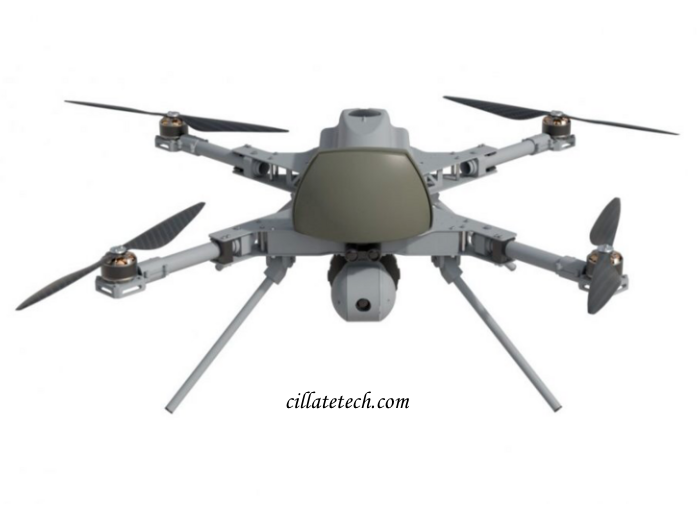
Drones, also known as unmanned aerial vehicles (UAVs), have transformed modern warfare. Once limited to surveillance roles, drones now perform reconnaissance, targeted strikes, logistics, and even electronic warfare. Their ability to operate without risking pilot lives, gather real-time intelligence, and strike with precision has made them indispensable in contemporary military strategy. The rise of drones is not only reshaping battlefield tactics but also altering global power dynamics, as nations invest heavily in UAV technology to maintain strategic advantages.
The Evolution of Military Drones
Military drones have evolved significantly since their early reconnaissance roles. Modern UAVs vary from small tactical drones deployed by infantry units to large, long-endurance drones capable of carrying heavy payloads and striking targets across borders. Companies and governments have developed drones with advanced AI, obstacle avoidance, and real-time video streaming capabilities. This evolution has allowed drones to undertake complex missions previously performed by manned aircraft, helicopters, or ground forces, often with higher efficiency and lower risk.
Surveillance and Intelligence Gathering
One of the most critical roles of drones in warfare is intelligence, surveillance, and reconnaissance (ISR). Equipped with high-resolution cameras, infrared sensors, and radar, drones can monitor enemy movements, identify troop concentrations, and track vehicles or missile launches. Unlike satellites, drones can fly closer to the battlefield, providing detailed imagery and real-time data. This intelligence is essential for planning attacks, avoiding ambushes, and maintaining situational awareness in dynamic combat zones.
Precision Strikes and Combat Operations
Drones are increasingly being used for precision strikes on high-value targets. Armed UAVs can deploy missiles or bombs with remarkable accuracy, minimizing collateral damage while neutralizing threats. Their remote operation allows militaries to carry out missions in hostile or inaccessible environments without risking human pilots. In conflicts around the world, drones have been pivotal in counterterrorism operations, border security, and suppressing insurgent networks, demonstrating their growing importance in combat strategy.
Logistics and Supply Chain Support
Beyond combat, drones are also transforming military logistics. UAVs can deliver essential supplies, ammunition, or medical equipment to frontlines or disaster zones where traditional vehicles may be at risk. This capability increases operational flexibility and ensures troops remain supplied even in challenging terrains. The use of drones in logistics reduces human exposure to dangerous environments, allowing military planners to maintain operational continuity under adverse conditions.
Electronic Warfare and Cyber Operations
Drones are not limited to physical strikes—they are increasingly used in electronic warfare and cyber operations. UAVs can disrupt enemy communications, jam radar systems, or conduct cyber reconnaissance. By interfering with adversary networks or disabling sensors, drones provide a strategic advantage that extends beyond conventional combat. This dual capability—physical and electronic—makes drones a versatile tool in modern military arsenals.
Strategic and Ethical Considerations
The rise of drone warfare introduces strategic, ethical, and legal challenges. The ability to strike remotely lowers the threshold for military action, potentially increasing the frequency of conflicts. Autonomous drones capable of making decisions without human intervention raise moral questions about accountability, particularly when civilian casualties occur. International law is still adapting to address the implications of drone strikes, making regulation and oversight critical for responsible deployment.
Advantages of Drone Technology in Warfare
Drones offer numerous advantages: they reduce the risk to human personnel, enable precision targeting, provide continuous surveillance, and allow rapid deployment in remote areas. They are cost-effective compared to manned aircraft, require less maintenance, and can be deployed in large numbers for coordinated operations. These capabilities make drones indispensable for modern militaries seeking agility, efficiency, and technological superiority on the battlefield.
Potential Risks and Vulnerabilities
Despite their advantages, drones are not without vulnerabilities. They can be targeted by anti-drone technologies, such as electronic jamming, lasers, or other UAVs. Reliance on GPS or communication links exposes drones to cyberattacks or signal disruption. Additionally, operational errors, software glitches, or poor intelligence can result in unintended strikes, causing civilian harm or strategic setbacks. Addressing these vulnerabilities is critical for maintaining the effectiveness and reliability of drone operations.
The Future of Drone Warfare
The future of drones in warfare will involve increased autonomy, AI integration, swarm technology, and enhanced electronic warfare capabilities. Swarm drones, operating in coordinated groups, can overwhelm enemy defenses or conduct simultaneous reconnaissance and strikes. Integration with artificial intelligence will allow drones to make faster, data-driven decisions, optimizing mission success while reducing human intervention. The continuous advancement of drone technology ensures they will remain a cornerstone of military strategy for decades to come.
Drone technology has fundamentally changed the landscape of modern warfare, offering unprecedented intelligence, precision, and operational flexibility. From reconnaissance and precision strikes to logistics and electronic warfare, drones are reshaping military strategies worldwide. However, these advantages come with ethical, strategic, and technological challenges that must be carefully managed. As nations continue to invest in UAV development, drones will play an increasingly central role in determining the outcomes of conflicts, highlighting the importance of mastering this transformative technology in the modern battlefield.