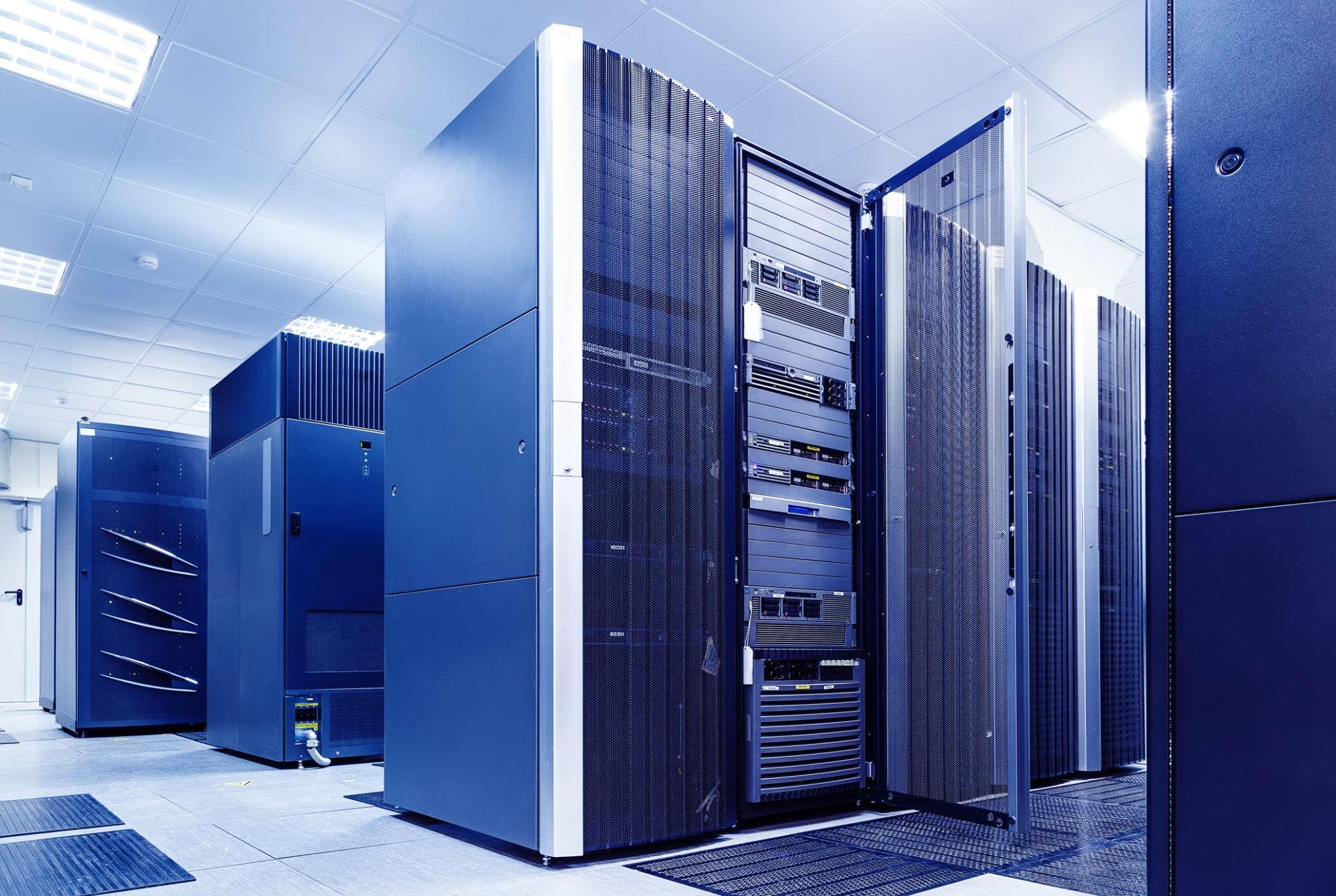
Quantum computing stands on the cusp of transforming the technological landscape in ways previously thought impossible. While traditional computers have helped us advance exponentially, the limitations of classical computing mean that many of the world’s most complex problems remain unsolved. Quantum computing promises to break those boundaries, offering solutions to problems across industries ranging from medicine to environmental science, cryptography, and artificial intelligence. This article explores the potential of quantum computing, how it works, and what the future holds for this groundbreaking technology.
What Is Quantum Computing?
To understand quantum computing, it’s crucial to grasp how it differs from traditional computing. Classical computers store data in binary format, using bits (1s and 0s) to represent information. These bits process data in linear steps, one at a time, following a set of instructions to perform tasks.
Quantum computing, on the other hand, uses quantum bits, or qubits. Unlike bits, qubits can exist in multiple states at once—thanks to the principles of quantum mechanics such as superposition and entanglement. Superposition allows qubits to represent both 1 and 0 simultaneously, vastly increasing the computational power. Entanglement, another key principle, allows qubits to be linked in ways that enable instantaneous communication between them, even if they are separated by great distances.
This shift from classical computing to quantum computing isn’t just a slight improvement in speed—it’s a fundamental change in how computation is performed, enabling quantum computers to solve problems that would be impossible for classical systems to tackle.
Breaking Boundaries in Cryptography
One of the most immediate and impactful applications of quantum computing is its potential to revolutionize cryptography. Today’s security protocols, such as RSA encryption, are built on the assumption that certain mathematical problems are extremely difficult for classical computers to solve. These encryption systems form the backbone of online security, ensuring that personal data, bank transactions, and communications are protected.
Quantum computers, however, could break these encryption schemes by solving the complex problems in a fraction of the time it takes classical computers. For example, Shor’s algorithm, a quantum algorithm, can factor large numbers exponentially faster than any known classical algorithm. This means that once sufficiently powerful quantum computers are developed, they could decrypt data that is currently considered unbreakable.
On the flip side, this has prompted the development of quantum-resistant encryption methods, known as post-quantum cryptography. These new methods aim to secure data even in the age of quantum computing, ensuring that sensitive information remains protected as we move toward a quantum-enabled world.
Transforming Artificial Intelligence and Machine Learning
Quantum computing is poised to provide a massive leap forward for artificial intelligence (AI) and machine learning (ML). Classical AI relies on massive amounts of data processing, which can be slow and inefficient. Quantum computers, with their ability to process vast amounts of information simultaneously, have the potential to accelerate machine learning algorithms, allowing them to learn and adapt more quickly than ever before.
Quantum computing could also improve optimization problems—such as finding the best route for delivery trucks, designing drugs, or even predicting market trends—by exploring multiple solutions at once, rather than one by one. For instance, quantum algorithms like the Quantum Approximate Optimization Algorithm (QAOA) show promise in solving optimization problems more efficiently than classical algorithms.
With quantum computing’s enhanced ability to process data, AI could evolve into a more powerful and efficient tool, capable of analyzing complex, high-dimensional data much faster. This would drive breakthroughs in fields like healthcare, where AI could help diagnose diseases with greater accuracy, or in autonomous vehicles, where machine learning algorithms could optimize real-time decisions on the road.
Revolutionizing Healthcare: From Drug Discovery to Personalized Medicine
Quantum computing’s potential in healthcare is nothing short of transformative. In the field of drug discovery, quantum computers could simulate molecular interactions at an atomic level, a feat that is incredibly difficult for classical computers to achieve. This would drastically shorten the time it takes to develop new drugs, potentially leading to faster cures for diseases, including cancer, Alzheimer’s, and rare genetic disorders.
Quantum simulations could also aid in the creation of personalized medicine. By processing large volumes of patient data and simulating how different treatments might interact with the human body, quantum computers could help design individualized treatments that are tailored to the genetic makeup and health needs of each person. This shift towards personalized healthcare could significantly improve patient outcomes and reduce trial-and-error treatment methods.
In addition, quantum computing could help model and predict the spread of diseases more accurately, improving public health responses and enabling quicker containment strategies during pandemics.
Advancing Climate Science and Sustainability
Quantum computing is also expected to make a significant impact on solving global challenges like climate change and environmental sustainability. Climate modeling is an inherently complex task due to the enormous number of variables involved. Classical computers struggle to predict long-term climate patterns with the precision needed to make accurate predictions.
Quantum computers, however, could simulate molecular interactions in the atmosphere, oceans, and ecosystems in ways that classical computers cannot, providing more accurate climate models. This would allow scientists to predict climate changes with greater accuracy and develop better strategies for mitigating environmental damage, such as finding more efficient ways to capture carbon dioxide or developing sustainable energy solutions.
Additionally, quantum computing could play a role in improving energy systems, such as optimizing the design of renewable energy grids, enhancing battery storage technologies, or improving energy-efficient materials, contributing to a cleaner and more sustainable planet.
The Quantum Computing Race: Who Will Lead?
While quantum computing promises to deliver revolutionary changes, it is still in its infancy. As of now, quantum computers are in the experimental stage, with companies like Google, IBM, and Intel leading the charge in developing quantum hardware and algorithms. However, there are significant challenges to overcome, such as improving qubit stability and error rates, increasing computational power, and making quantum computing commercially viable.
In addition, quantum computing is a highly competitive field, with countries and private companies investing billions of dollars into quantum research. Nations like the U.S., China, and members of the European Union are racing to be the first to build a practical quantum computer, with the potential for enormous geopolitical and economic implications.
The Challenges Ahead: Scalability, Stability, and Integration
Despite its enormous potential, quantum computing faces numerous obstacles. The primary challenge lies in scalability—building quantum computers with enough qubits to solve complex real-world problems. Right now, quantum systems are limited by the number of qubits they can handle and their stability. Qubits are highly sensitive to their environment, and even minor disturbances can cause errors, leading to the so-called “quantum noise” problem.
Researchers are exploring various methods to address these issues, including error correction algorithms, quantum entanglement techniques, and new materials to stabilize qubits. Overcoming these hurdles will be crucial before quantum computers can be used for practical, large-scale applications.
Furthermore, quantum computing needs to be integrated with existing technologies. For many applications, quantum computers will need to work alongside classical computers, creating hybrid systems that leverage the strengths of both.
The Road Ahead for Quantum Computing
Quantum computing represents a paradigm shift in how we process information, solve complex problems, and drive technological innovation. While it may take years, if not decades, before quantum computing reaches its full potential, its influence will reshape industries, accelerate scientific discoveries, and redefine what is possible in the digital age.
As researchers continue to overcome the challenges of quantum hardware and algorithms, it’s clear that this technology holds the key to unlocking new frontiers in everything from cryptography and AI to healthcare and climate science. The future of quantum computing may well be the future of technological progress itself.