Creativity has always been regarded as a defining human quality. It fuels innovation, storytelling, design, music, and countless other forms of expression. In the past, creative work depended largely on physical tools such as brushes, instruments, and film cameras. Today, however, technology plays a central role in shaping how ideas are developed and expressed. As digital tools become more advanced, an important question emerges: Does technology actually inspire creativity, or does it simply support it?
The Transformation of Creative Tools
Throughout history, technological breakthroughs have changed the creative landscape. The invention of the printing press expanded access to literature. Photography reshaped visual culture. Digital software transformed graphic design and filmmaking. Although each advancement was initially met with hesitation, over time these tools broadened artistic possibilities.
Rather than diminishing creativity, technology often enhances it. Modern design programs, for example, allow artists to test concepts quickly, experiment with new styles, and refine their work efficiently. These tools do not replace imagination—they expand the range of what creators can achieve.
Artificial Intelligence and Creative Collaboration
One of the most significant developments today is artificial intelligence. AI can compose music, generate images, assist in writing, and even contribute to video production. While some fear that intelligent systems may replace human creators, many professionals see AI as a collaborative partner instead.
AI excels at processing information, recognizing patterns, and generating multiple variations of an idea in a short time. This capability can inspire new directions and speed up experimentation. By automating repetitive tasks, technology allows creators to devote more energy to deeper thinking, storytelling, and emotional expression—areas where human insight remains essential.
Expanding Access to Creativity
Technology has also made creative expression more accessible. With a smartphone and internet connection, individuals can publish content, design artwork, produce music, or share stories globally. Tools that were once expensive and exclusive are now widely available.
Digital platforms encourage collaboration across borders, enabling artists and innovators to work together regardless of location. Emerging technologies like virtual reality and 3D printing further expand creative opportunities by allowing immersive experiences and rapid prototyping. As access increases, so does the diversity of voices contributing to the creative world.
Challenges and Considerations
Despite its advantages, technology presents certain risks. Automated systems often promote trends based on data and popularity, which may lead creators to follow patterns rather than explore original ideas. Overreliance on templates and algorithm-driven suggestions can sometimes limit independent thinking.
Maintaining strong foundational skills and critical judgment is essential. Technology should serve as a supportive tool rather than a substitute for creativity itself. When used thoughtfully, it enhances innovation; when used passively, it may restrict it.
The Enduring Human Factor
At its core, creativity is rooted in human experience. Emotions, culture, personal history, and imagination give meaning to artistic work. While machines can replicate patterns or generate content, they do not possess lived experiences or personal perspectives.
Technology can provide structure, efficiency, and inspiration, but it is human intention that transforms output into meaningful expression. The emotional connection audiences feel toward a film, song, or artwork originates from human insight—not from code alone.
Looking Ahead
As technology continues to evolve, its influence on creativity will deepen. Future tools may become more personalized, adapting to individual styles and preferences. Education and industries alike will likely integrate advanced technologies to foster innovation.
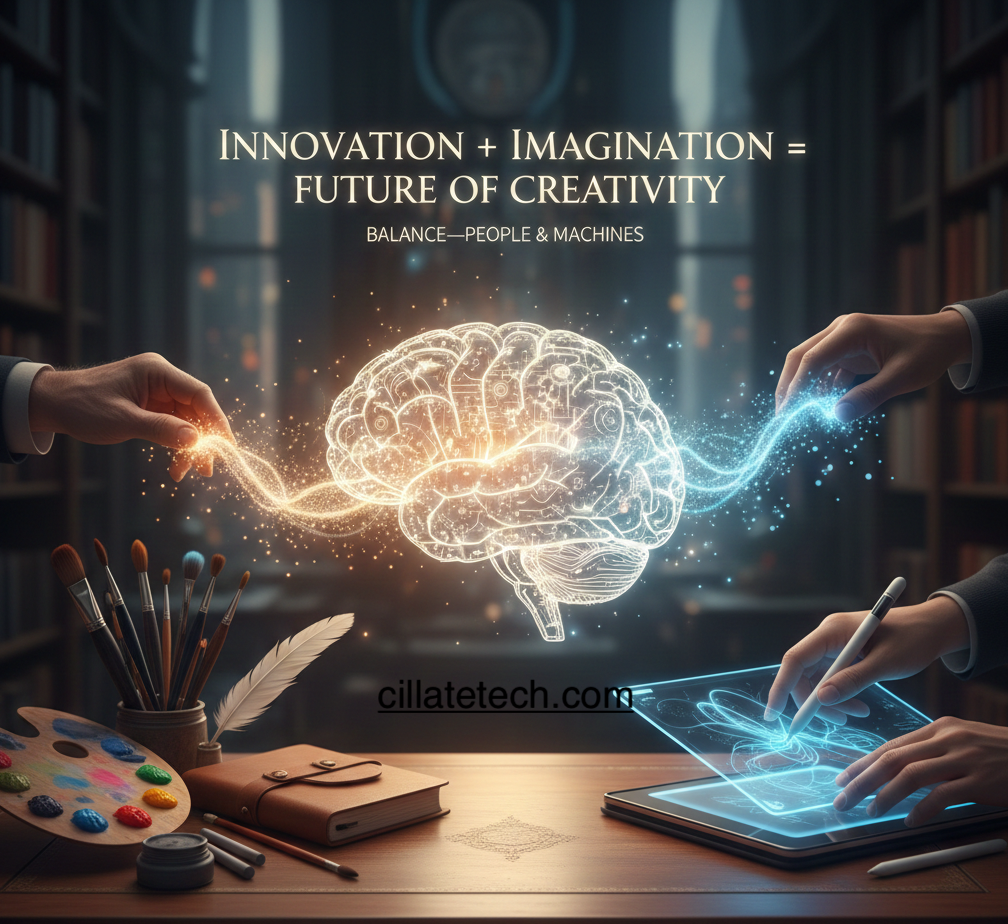
The relationship between humans and machines does not have to be competitive. Instead, it can be collaborative. Technology can introduce possibilities and accelerate experimentation, while human imagination shapes those possibilities into meaningful creations.
Ultimately, creativity will continue to thrive not because of machines alone, but because of the people who use them thoughtfully. The future of creativity lies in balance—where innovation and imagination work side by side.