The story of computers is a journey from mechanical calculators to ultra-powerful machines that fit in our pockets. Computers have not only transformed how we live, work, and communicate, but have also driven major technological innovations across nearly every industry. Understanding the evolution of computers helps us appreciate how far we’ve come—and where we’re headed.
Early Beginnings: The Mechanical Age
The evolution of computers began long before the digital age. Early devices like the abacus (around 2400 BC) and mechanical calculators built by inventors such as Blaise Pascal and Charles Babbage laid the groundwork for computing. Babbage’s “Analytical Engine,” though never fully built, is considered the first concept of a general-purpose computer.
The First Generation (1940s–1950s):
Vacuum Tubes
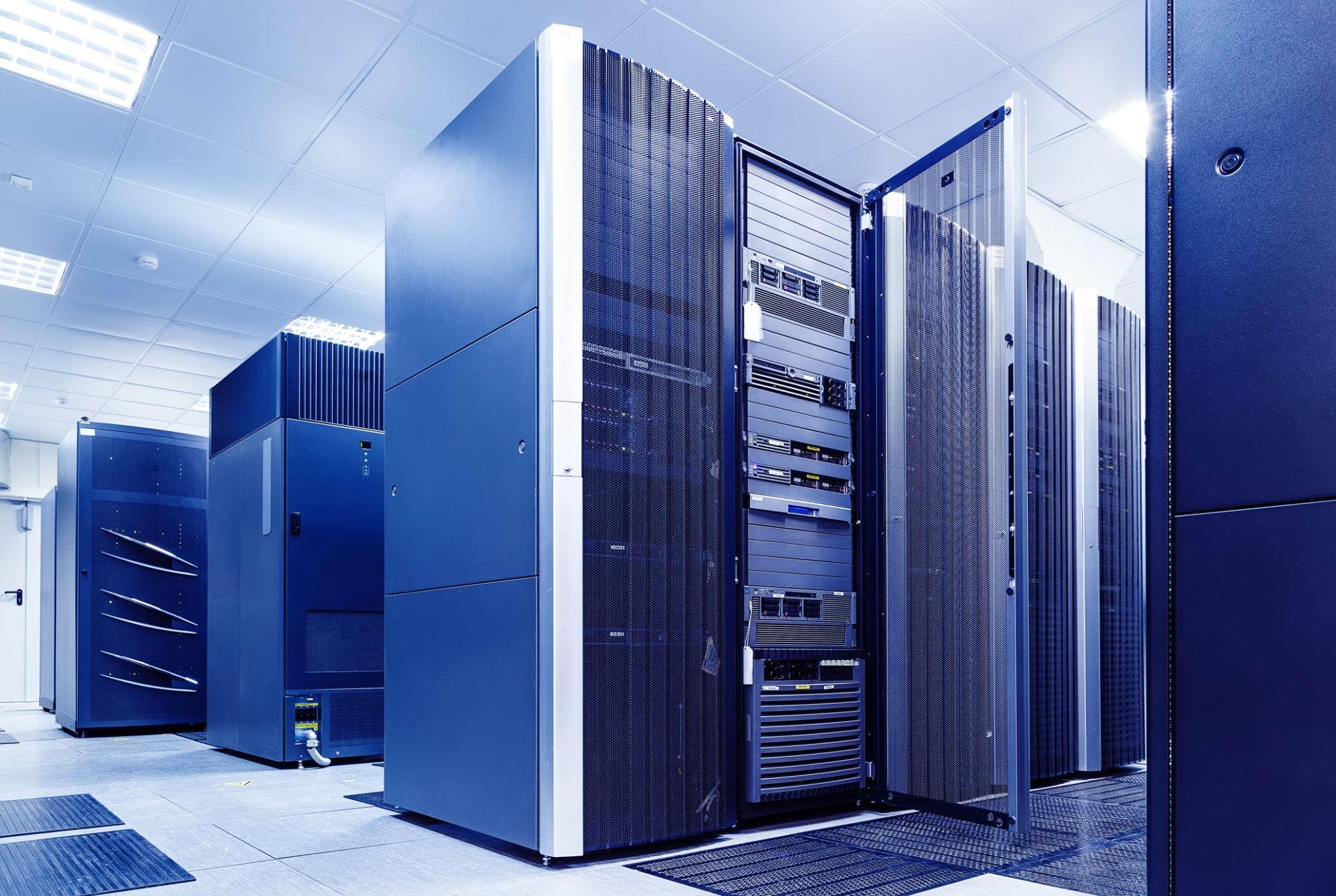
The first true computers emerged during and after World War II. Machines like the ENIAC and UNIVAC used vacuum tubes for processing and were massive in size, taking up entire rooms. They were extremely limited by today’s standards—slow, costly, and prone to overheating. Still, they marked a revolutionary step in data processing and wartime codebreaking.
The Second Generation (1950s–1960s):
Transistors
The invention of the transistor in 1947 changed everything. Replacing vacuum tubes, transistors were smaller, faster, more reliable, and much more energy-efficient. Computers became more practical for businesses and government use. Programming languages like COBOL and FORTRAN also appeared during this time, expanding computer use beyond basic calculations.
The Third Generation (1960s–1970s):
Integrated Circuits
The development of integrated circuits (ICs)—small chips containing multiple transistors—further reduced the size and cost of computers. Machines became faster and more accessible, leading to the early days of minicomputers and the concept of computer networks. This generation also introduced operating systems, which allowed multiple tasks and users to operate simultaneously.
The Fourth Generation (1970s–1990s):
Microprocessors and Personal Computers
The invention of the microprocessor—a complete CPU on a single chip—kicked off the personal computer (PC) revolution. Companies like Apple, IBM, and Microsoft brought computing into homes, classrooms, and small businesses. Computers became smaller, more affordable, and increasingly user-friendly, with graphical user interfaces (GUIs) and software like Word, Excel, and games.
The Fifth Generation (1990s–Present):
AI, Internet, and Mobility
The fifth generation of computing focuses on artificial intelligence (AI), cloud computing, and machine learning. The rise of the internet in the 1990s connected computers globally, transforming communication, entertainment, shopping, and education. Smartphones, tablets, and wearable technology took computing mobile, while cloud services like Google Drive and Dropbox allowed access to files from anywhere.
Today’s computers are a far cry from room-sized machines of the past. They are embedded in everyday objects—cars, smartwatches, TVs, and even refrigerators—making technology deeply integrated into our lives.
How Technology Has Changed with Computers
As computers evolved, so did the technologies around them:
- Communication: From letters and landlines to instant messaging, video calls, and social media—computers and the internet have revolutionized global communication.
- Education: E-learning platforms, virtual classrooms, and AI tutors are now possible due to computing advancements.
- Healthcare: Computers power diagnostic tools, robotic surgeries, and wearable health monitors.
- Entertainment: Streaming services, video games, virtual reality (VR), and content creation tools have transformed how we consume and create media.
- Work and Business: Remote work, digital marketing, data analytics, and AI-powered automation have reshaped the modern workplace.
The Future of Computers and Technology
Looking ahead, computers will become even more powerful, with quantum computing on the horizon. Technologies like augmented reality (AR), brain-computer interfaces, and autonomous systems will redefine human-computer interaction. As AI continues to evolve, computers will not just assist humans—they may soon collaborate with us in ways we can barely imagine today.
The evolution of computers is one of the most profound technological journeys in human history. From basic number crunchers to powerful, intelligent machines that drive global innovation, computers have fundamentally changed the world. As we move forward, the line between computing and everyday life will continue to blur, opening doors to possibilities limited only by our imagination.