Weather plays a significant role in shaping daily life, impacting everything from agriculture and transportation to disaster preparedness and recreation. Accurate weather forecasting is essential for minimizing the adverse effects of extreme weather conditions such as hurricanes, floods, and droughts. This is where weather detection technology becomes crucial. Over the years, technological advancements have significantly improved the accuracy and timeliness of weather forecasts, transforming how we observe and respond to atmospheric conditions.
Types of Weather Detection Technologies
There are several key technologies used to detect and monitor weather conditions:
Weather Satellites:
Orbiting Earth, weather satellites provide a global perspective of weather systems. There are two main types: geostationary satellites, which stay fixed over one spot, and polar-orbiting satellites, which scan the entire Earth as they orbit. These satellites monitor cloud formations, ocean temperatures, storm development, and more.
Radar Systems:
Radar, especially Doppler radar, is widely used to track precipitation, wind speed, and storm movements. By sending out radio waves and analyzing their reflections, radar can detect the location, intensity, and movement of rain, snow, or hail.
Weather Stations :
Ground-based weather stations are equipped with sensors to measure temperature, humidity, wind speed and direction, atmospheric pressure, and precipitation. These stations provide local, real-time data crucial for short-term forecasting.
Weather Balloons:
Also known as radiosondes, these balloons carry instruments high into the atmosphere to collect vertical profiles of temperature, humidity, and pressure. The data they provide helps meteorologists understand atmospheric layers and predict storm development.
Supercomputers and Climate Models:
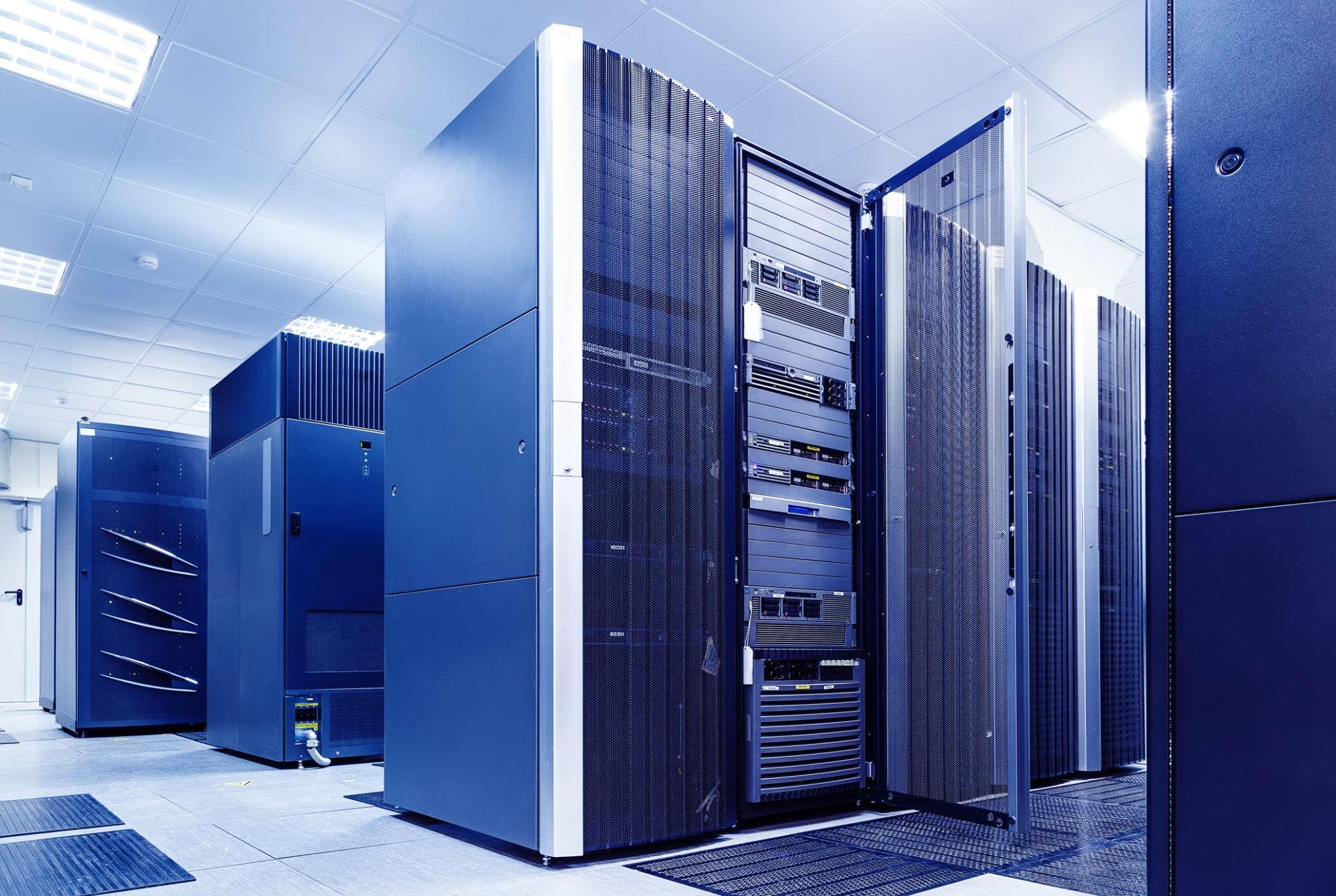
Powerful computers run complex simulations using data collected from various sources. These models predict future weather patterns by analyzing atmospheric physics, ocean currents, and historical trends. The integration of artificial intelligence and machine learning is making these models more accurate over time.
Recent Advancements:
Recent technological breakthroughs have pushed the boundaries of what weather detection can achieve. AI-powered forecasting tools now analyze massive datasets much faster than before. Newer satellites, like the GOES-R series, provide high-resolution images every few minutes, allowing meteorologists to detect rapidly evolving weather conditions such as tornado formation. Additionally, the use of drones and remote sensing technology is expanding coverage in remote or hard-to-access areas.
Applications and Impact:
The applications of weather detection technologies span numerous sectors:
Aviation: Accurate forecasts ensure flight safety by predicting turbulence and storms.
Agriculture: Farmers rely on weather predictions to plan planting, irrigation, and harvest schedules.
Disaster Preparedness: Early warning systems powered by weather data can save lives during hurricanes, tsunamis, and wildfires.
Climate Research: Long-term weather data helps scientists track climate change and its effects on ecosystems and human societies.
Challenges and the Road Ahead:
Despite impressive advances, challenges remain. Weather systems are inherently chaotic and difficult to model precisely. Developing countries may lack the infrastructure to deploy and maintain advanced weather technology. Additionally, with climate change introducing more extreme and unpredictable weather events, the demand for even more accurate and faster forecasting tools is growing.
Looking ahead, innovations such as quantum computing, better global data-sharing, and more sustainable observational systems will likely further revolutionize weather detection. These advancements will not only improve forecasts but also strengthen our resilience to the growing threat of climate-related disasters.