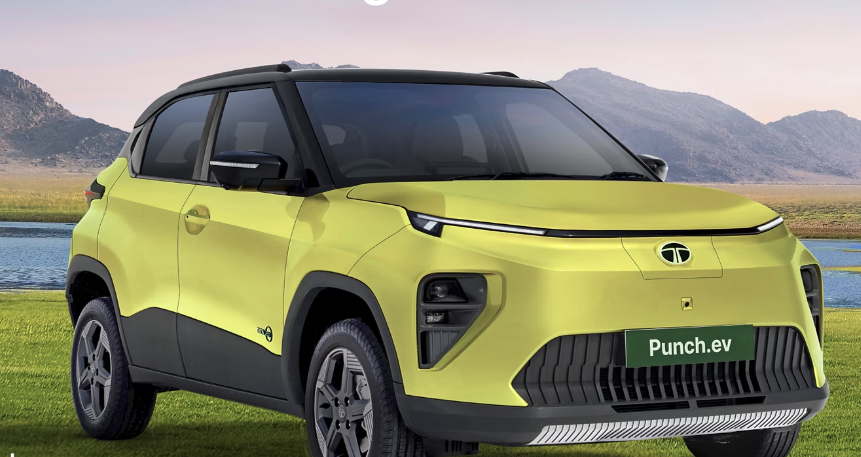
Not long ago, electric vehicles were considered a niche innovation—quiet, expensive, and practical only for a small group of environmentally conscious consumers. Today, they are rapidly becoming a common sight on roads around the world. The boom in electric vehicles is the result of a powerful combination of environmental awareness, government support, technological progress, and changing consumer preferences.
One of the strongest forces behind this growth is rising concern about climate change and air pollution. Conventional petrol and diesel vehicles are among the largest contributors to greenhouse gas emissions and poor air quality, especially in urban areas. As cities struggle with smog and countries face increasing pressure to meet climate targets, electric vehicles are emerging as a cleaner alternative. With zero tailpipe emissions, EVs offer a practical way to reduce environmental damage and move toward more sustainable transportation.
Government policies have played a decisive role in accelerating the adoption of electric vehicles. Many countries offer subsidies, tax incentives, and reduced registration fees to encourage buyers. At the same time, public and private investments in charging infrastructure are making EV ownership more convenient. Several governments have also announced long-term plans to ban or phase out petrol and diesel vehicles, signaling a clear shift toward electric mobility. These measures have boosted consumer confidence and pushed automobile manufacturers to prioritize electric models.
Advances in technology have further strengthened the appeal of electric vehicles. Earlier models were limited by short driving range and long charging times, but modern EVs have largely overcome these challenges. Improvements in battery technology have increased range, reduced charging time, and lowered costs. Fast-charging stations and home-charging solutions are becoming more common, making electric vehicles easier to use in daily life. In addition, EVs often feature advanced digital systems, smart connectivity, and enhanced safety technologies, adding to their attraction.
Economic factors are another important reason for the EV boom. While the initial purchase price of an electric vehicle may still be higher than that of a conventional car, the overall cost of ownership is often lower. Electricity is generally cheaper than petrol or diesel, and electric vehicles require less maintenance because they have fewer mechanical parts. Over time, these savings make EVs a financially sensible option for many consumers.
Consumer attitudes toward mobility are also changing. People are increasingly open to new technologies and more aware of the environmental impact of their choices. Electric vehicles are no longer viewed as slow or impractical; instead, they are associated with innovation, efficiency, and modern living. The growing variety of electric models—from compact city cars to luxury and performance vehicles—has made them accessible to a wider audience.
Beyond individual benefits, electric vehicles are also important from an economic and strategic perspective. Reducing reliance on fossil fuel imports helps improve energy security and protect economies from fluctuating oil prices. At the same time, the growth of the EV industry is creating new opportunities in manufacturing, battery production, renewable energy, and software development.
Although challenges such as charging infrastructure, battery recycling, and raw material supply still exist, the overall direction is clear. The rapid rise of electric vehicles represents a major shift in the global transportation system. Driven by necessity, innovation, and ambition, the electric vehicle boom is transforming how people travel and shaping the future of mobility.