There are moments—quiet, almost unnoticeable—when reality feels slightly out of place, as if something beneath its surface has shifted. It could be the way your phone predicts your thoughts before you type them, or how a recommendation appears that feels eerily personal, almost as if it knows you better than you know yourself. Now imagine a world where that feeling is no longer occasional, but constant. A world where everything around you—your environment, your interactions, even your experiences—is shaped, filtered, and possibly created by artificial intelligence. In such a world, reality itself begins to feel artificial, not because it is fake, but because it is no longer entirely independent of intelligent systems quietly working behind the scenes.
At first, the idea of living in an AI-shaped reality feels exciting, even comforting. Artificial intelligence has the ability to optimize experiences, eliminate inefficiencies, and personalize nearly every aspect of life. Your surroundings adapt to your preferences, your digital interfaces respond to your habits, and your daily routine becomes smoother and more predictable. AI curates what you see, hear, and engage with, ensuring that your environment aligns with your tastes and needs. It feels like living in a world designed specifically for you—a world where discomfort is minimized and satisfaction is maximized.
But comfort often comes with subtle consequences. When reality is continuously tailored to your preferences, it begins to lose its unpredictability. The unexpected moments—the chance encounters, the surprising discoveries, the spontaneous experiences—start to fade. Life becomes efficient, but also controlled. AI doesn’t just respond to your behavior; it anticipates it, shaping your environment in ways that feel natural but are carefully calculated. Over time, this creates a version of reality that is less about exploration and more about optimization, where every experience is filtered through algorithms designed to keep you engaged and satisfied.
This leads to a deeper and more unsettling question: if your reality is shaped by AI, how much of it is truly yours? When algorithms decide what content you consume, what routes you take, what products you see, and even what ideas you encounter, your perception of the world becomes influenced in ways you may not fully recognize. It is not that reality is entirely artificial, but that it is being subtly curated. And when that curation becomes invisible, it becomes powerful. You begin to trust the system, to rely on it, and eventually, to see the world through the lens it provides.
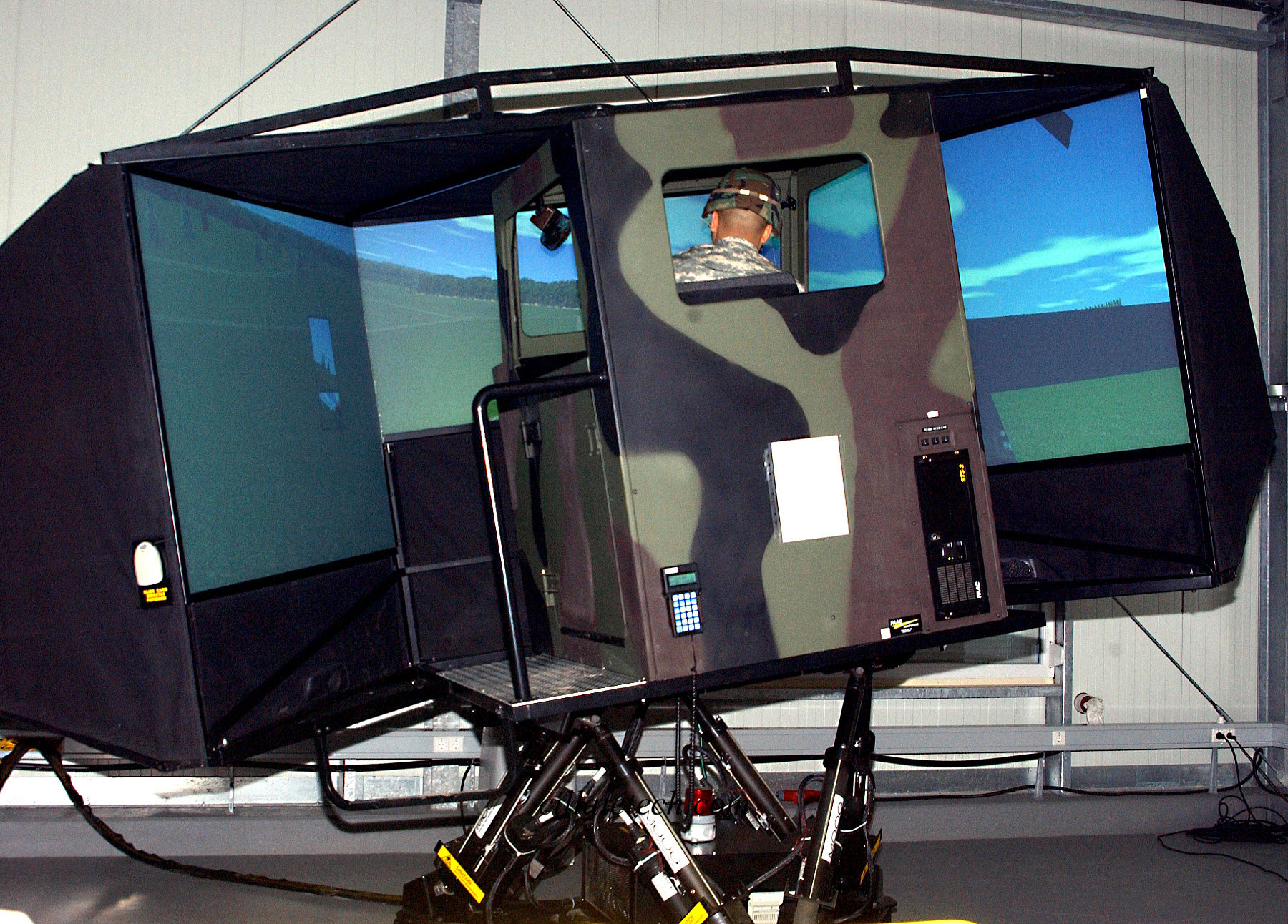
The concept of simulation takes this idea even further. Advances in virtual reality and AI-driven environments are making it possible to create experiences that feel almost indistinguishable from physical reality. In such environments, you can explore places that do not exist, interact with entities that are not human, and live experiences that are entirely constructed. The line between real and artificial begins to blur, not because one replaces the other, but because they coexist so seamlessly that distinguishing between them becomes increasingly difficult. In this blurred space, reality becomes a spectrum rather than a fixed state.
Emotion plays a critical role in this transformation. Human experience is defined not just by what happens, but by how it feels. If an AI-generated environment can evoke genuine emotions—joy, fear, excitement, connection—does it matter whether the experience is real or simulated? From a psychological perspective, the brain responds to perception, not origin. If something feels real, it becomes real in terms of emotional impact. This raises a profound question: is reality defined by its authenticity, or by our experience of it?
However, there is a risk in becoming too immersed in simulated realities. When artificial environments offer more control, more satisfaction, and fewer challenges than the real world, they can become more appealing. People may begin to prefer simulated experiences over real ones, choosing environments where outcomes are predictable and tailored. This shift could lead to a form of detachment from the physical world, where reality feels less engaging simply because it is less optimized. The imperfections of real life—its unpredictability, its challenges, its uncertainties—are what give it depth. Removing these elements may make life easier, but it may also make it less meaningful.
Another dimension to consider is identity. In a world where reality can be simulated, identity can also become fluid. You can present yourself in different ways, explore different versions of who you are, and interact in environments where traditional limitations no longer apply. This can be empowering, allowing for self-exploration and creativity. But it can also create confusion, blurring the boundaries between who you are in the real world and who you become in simulated spaces. When these identities overlap, the question of authenticity becomes more complex.
Despite these concerns, AI-driven simulations also offer incredible possibilities. They can be used for education, allowing students to experience history, science, and complex concepts in immersive ways. They can enhance creativity, enabling artists, designers, and creators to build worlds limited only by imagination. They can even provide therapeutic environments, helping individuals confront fears, process emotions, and develop coping strategies in safe, controlled settings. In these contexts, simulation is not a replacement for reality, but an extension of it—an additional layer that enhances human experience.
As technology continues to evolve, the integration between reality and simulation will likely deepen. AI systems will become more sophisticated, environments more immersive, and experiences more personalized. The distinction between what is real and what is artificial may become less relevant, replaced by a focus on what is meaningful and valuable. In such a future, the challenge will not be to separate reality from simulation, but to navigate both in a way that preserves human agency and authenticity.
Ultimately, the feeling that reality is becoming artificial is not necessarily a sign of loss—it is a sign of transformation. It reflects a world where technology is no longer external, but integrated into the fabric of daily life. The question is not whether we can avoid this transformation, but how we choose to engage with it. Will we allow AI to shape our reality entirely, or will we remain active participants, aware of its influence and intentional in our choices?
In the end, reality is not just about what exists, but about how we experience it. AI may shape the environment, simulate experiences, and influence perception, but it cannot replace the human capacity for meaning, reflection, and awareness. As long as we remain conscious of the difference between guidance and control, between enhancement and replacement, we can navigate this new world without losing ourselves within it.
Because even in a world where reality feels artificial, the human experience—the ability to question, to feel, and to seek truth—remains undeniably real.