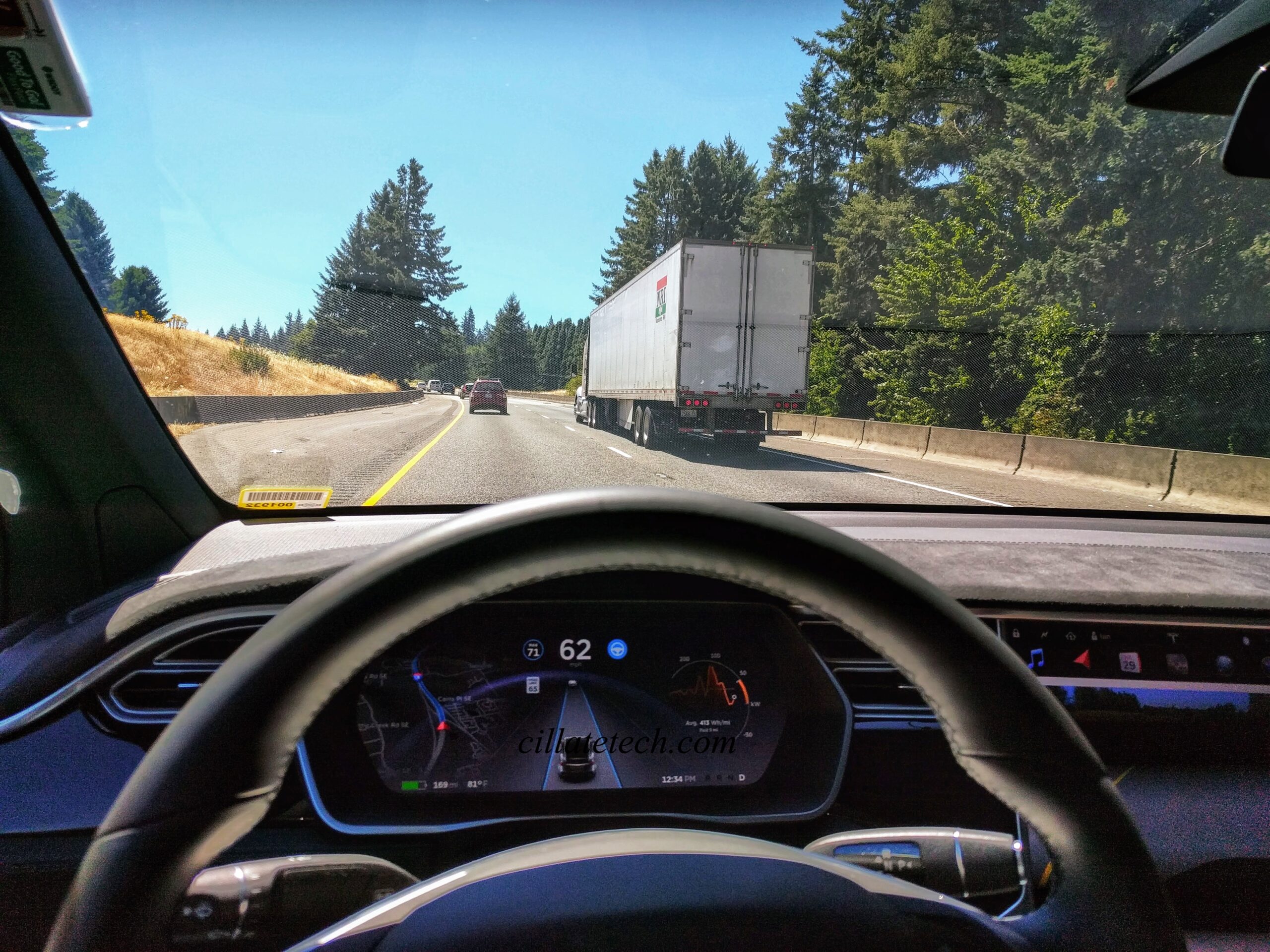
Modern automobiles are no longer just mechanical machines; they have evolved into sophisticated digital systems equipped with internet connectivity, sensors, and intelligent software. Vehicles today are becoming moving computers, capable of performing complex tasks such as navigation, driver assistance, vehicle diagnostics, and even limited autonomous driving. Features like adaptive cruise control, lane-keeping assistance, collision avoidance, and wireless software updates have dramatically increased convenience and safety for drivers.
However, this integration of software and connectivity comes with significant risks. Cybersecurity has now become a critical concern in the automotive industry because vehicles connected to the internet or internal networks can potentially be accessed or manipulated by hackers. Unlike traditional security concerns like theft or mechanical failure, cyberattacks can occur remotely, silently, and even while the car is in motion. The idea that hackers could potentially control your vehicle may sound like a plot from a science fiction movie, but it is increasingly becoming a real-world challenge. Understanding these risks is crucial as we move toward a future dominated by connected and autonomous vehicles.
The Rise of Smart Cars
Smart cars, also referred to as connected or intelligent vehicles, integrate advanced technologies that transform the driving experience. They are equipped with sensors, cameras, radar, and GPS systems that provide real-time information about the environment, traffic conditions, and vehicle performance. Voice assistants and infotainment systems allow drivers to interact with their vehicles more intuitively, while smartphone integration enables remote control over functions such as door locking, climate control, and vehicle location tracking.
Companies like Tesla, Toyota, and General Motors have invested heavily in connected vehicle technology. For example, Tesla’s over-the-air updates allow vehicles to receive performance enhancements and new features remotely, eliminating the need for service center visits. Similarly, Google’s Waymo and Apple’s rumored automotive projects focus on integrating artificial intelligence for autonomous driving and predictive maintenance.
The rise of smart cars has dramatically improved convenience, safety, and environmental efficiency. However, the very same connectivity that enables these features also creates new vulnerabilities. Every connected feature—whether it is Wi-Fi, Bluetooth, or mobile app control—represents a potential entry point for cybercriminals. This dual nature of technology, providing convenience while creating risk, is at the heart of the modern vehicle cybersecurity challenge.
Understanding Vehicle Cybersecurity
Vehicle cybersecurity refers to the protection of the electronic systems, communication networks, and software within a car from unauthorized access or malicious attacks. Unlike traditional automotive engineering, which focused on mechanical safety and durability, vehicle cybersecurity deals with digital threats that can impact both safety and privacy.
Modern vehicles often contain more than 100 electronic control units (ECUs) that govern functions ranging from engine performance to braking, steering, and airbags. These ECUs communicate through internal networks like the Controller Area Network (CAN bus), which allows data to be shared rapidly between vehicle components. While this internal communication network is efficient, it is also a potential target for cyberattacks. If a hacker can gain access to the CAN bus, they may theoretically manipulate critical functions such as acceleration, braking, or steering, creating significant safety risks.
External connectivity adds another layer of vulnerability. Vehicles now connect to cloud services, cellular networks, and mobile apps to provide features such as remote start, GPS tracking, and real-time traffic information. Each of these connections increases the “attack surface” that cybercriminals could exploit. In essence, every added layer of connectivity introduces potential pathways for intrusion, making comprehensive cybersecurity measures essential for the safety and reliability of smart cars.
Real-World Demonstrations of Car Hacking
Theoretical risks are concerning, but real-world demonstrations of vehicle hacking highlight just how serious the threat can be. In 2015, cybersecurity researchers Charlie Miller and Chris Valasek famously conducted a remote hack of a vehicle produced by Fiat Chrysler Automobiles. By exploiting vulnerabilities in the car’s internet-connected infotainment system, they were able to manipulate functions such as acceleration, braking, windshield wipers, and air conditioning—all remotely while the vehicle was on the road.
This demonstration, though performed under controlled conditions, sent shockwaves through the automotive industry. The company eventually recalled more than one million vehicles to address the software vulnerabilities identified by the researchers. The incident demonstrated that connected vehicles are not just convenient gadgets—they are complex systems that can be targeted in potentially dangerous ways.
Other studies have highlighted similar vulnerabilities. Hackers have shown that diagnostic ports, smartphone apps, and even keyless entry systems can be exploited to gain unauthorized access. These examples make it clear that vehicle cybersecurity is not a hypothetical concern; it is a critical issue requiring constant attention from manufacturers, regulators, and consumers.
Potential Methods Hackers Could Use
Hackers could target connected vehicles through multiple pathways. Wireless connections such as Bluetooth, Wi-Fi, and cellular networks can be exploited if security protocols are weak or outdated. Smartphone applications that communicate with the vehicle, often used to control locks, climate, or remote start, are another potential entry point if poorly secured.
Over-the-air (OTA) software updates, while convenient for delivering new features and bug fixes, can also present a risk if authentication and encryption are not properly implemented. Additionally, physical access via diagnostic ports or onboard computing systems can allow hackers to manipulate vehicle electronics directly. Each method requires careful security protocols to prevent unauthorized access and protect passengers from harm.
Implications for Safety
The cybersecurity risks associated with smart cars have serious safety implications. If hackers were to gain control of critical systems, they could manipulate braking, steering, acceleration, or even airbag deployment, creating dangerous situations on public roads. Even non-critical hacks, such as unlocking doors or disabling alarms, can compromise personal security and privacy.
The combination of high-speed travel and digital control makes vehicle cybersecurity fundamentally different from traditional computer security. A breach in a vehicle’s systems can have immediate, life-threatening consequences. Therefore, protecting cars against cyberattacks is not just a matter of privacy—it is an essential component of passenger safety and public road safety.
The Role of Manufacturers
Automakers are increasingly investing in vehicle cybersecurity to address these challenges. Companies like Tesla and Waymo implement robust software architectures, encryption protocols, and intrusion detection systems to protect their vehicles. Collaboration with cybersecurity researchers and ethical hackers allows companies to identify vulnerabilities before they can be exploited maliciously.
Security measures include encrypted communication channels, two-factor authentication for connected apps, firewall protection for internal vehicle networks, and automated over-the-air security updates. Manufacturers are also developing comprehensive cybersecurity strategies that encompass not only technical protections but also employee training, supply chain security, and continuous monitoring of threats.
Regulatory and Legal Considerations
Governments around the world are beginning to recognize the importance of automotive cybersecurity. Regulatory agencies are creating frameworks that define security standards, testing requirements, and reporting obligations for connected vehicles. Liability concerns are also central; in the event of a cyberattack causing an accident, questions arise about whether responsibility lies with the manufacturer, software provider, or vehicle owner.
In some countries, pilot programs for autonomous vehicles have been launched to evaluate safety, cybersecurity, and operational performance in controlled environments. These programs help regulators understand the risks of connected vehicles and establish guidelines to ensure public safety while fostering technological innovation.
Future Challenges
As vehicles move toward full autonomy, cybersecurity challenges will only grow in complexity. Fully self-driving cars rely on AI algorithms, cloud data, vehicle-to-vehicle communication, and real-time sensor analysis, creating multiple potential attack surfaces. Hackers may attempt to disrupt traffic systems, manipulate sensor input, or inject malicious code into cloud platforms controlling vehicle operations.
Additionally, as cars become part of broader smart city ecosystems, cybersecurity will need to address not only individual vehicles but also networks of connected infrastructure. Manufacturers will need to anticipate emerging threats, continuously update security protocols, and collaborate with governments and cybersecurity experts to ensure robust protection.
Consumer Awareness and Responsibility
Consumers also play a role in maintaining vehicle security. Keeping software up to date, using strong passwords for connected apps, and being cautious of suspicious devices or networks can reduce the likelihood of attacks. Understanding the risks and taking proactive steps is essential in a world where vehicles are increasingly connected and intelligent. Awareness campaigns and driver education about cybersecurity best practices will be crucial as the number of smart cars on the road continues to grow.
Smart cars have transformed the driving experience by integrating advanced technologies, offering enhanced convenience, safety, and connectivity. Yet this evolution has introduced new cybersecurity risks, making it possible for hackers to exploit vulnerabilities and, in some cases, control critical vehicle functions. The stakes are high: breaches can affect personal safety, privacy, and public road security.
Addressing these challenges requires a multifaceted approach involving manufacturers, regulators, cybersecurity experts, and consumers. Robust encryption, secure software architectures, over-the-air updates, regulatory frameworks, and public awareness campaigns all play a vital role in protecting modern vehicles. As the automotive industry continues to innovate, the ability to secure connected vehicles will determine not only public trust but also the future safety of our roads.
By 2030 and beyond, vehicles will continue to evolve into fully autonomous, AI-driven machines, making cybersecurity an integral part of automotive design. The question is no longer whether hackers could exploit smart cars—it is how prepared the industry and consumers will be to prevent it.