Technology as BMW’s Quiet Constant
Technology has never been an accessory in BMW’s story—it has always been foundational. From its earliest engineering pursuits to its modern automotive innovations, BMW has treated technology as a discipline rather than a trend. This long-standing mindset is especially visible today, as the automotive world undergoes a fundamental shift driven by electrification, digital systems, and environmental responsibility.
Rather than reacting hastily to industry pressures, BMW is advancing with caution and clarity. Its movement toward electric vehicles reflects a broader technological philosophy—one that values continuity, precision, and respect for the driver.
Engineering Culture: Innovation Guided by Discipline
BMW’s reputation has been built on measured progress. The company has consistently refined its engineering practices instead of pursuing abrupt technological revolutions. This culture of restraint has allowed BMW to maintain reliability while adapting to change.
Key elements of this philosophy include:
- Technical precision
- Driver-focused engineering
- Long-term system reliability
- Purpose-driven innovation
These principles now shape BMW’s evolving approach to electric mobility and digital transformation.
Digital Intelligence in Modern BMW Vehicles
Software as the Backbone of the Driving Experience
In today’s BMW models, software plays a central role in vehicle operation. Digital platforms manage navigation, efficiency, safety functions, and user preferences, forming an invisible framework that supports the driving experience.
BMW emphasizes clarity and usability in its digital interfaces, ensuring technology complements human decision-making rather than competing with it.
Connected Systems and Adaptive Functionality
Connectivity has redefined modern vehicles. BMW integrates intelligent systems that enable cars to evolve after purchase through software updates, respond to real-time conditions, and optimize performance using data-driven insights.
These connected capabilities signal a shift toward vehicles that are no longer static machines, but responsive mobility systems.
BMW’s Gradual Move Toward Electric Vehicles
A Balanced Strategy for a Complex World
BMW’s path to electrification is defined by flexibility. Instead of committing exclusively to a single propulsion technology, the company continues to develop combustion engines, hybrid solutions, and fully electric drivetrains in parallel.
This strategy recognizes that:
- Charging infrastructure remains uneven globally
- Market readiness varies across regions
- Energy systems are still in transition
By advancing gradually, BMW preserves adaptability while expanding its electric vehicle lineup.
Electrification Without Losing Identity
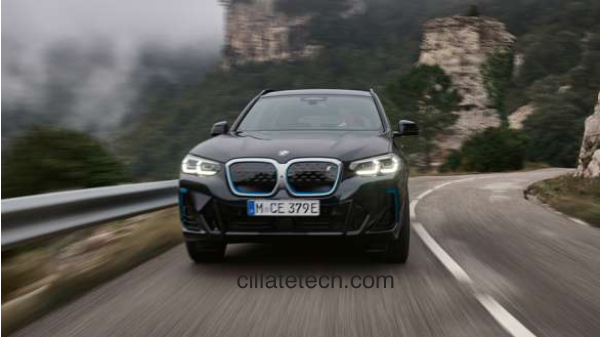
BMW’s electric vehicles are designed to feel familiar to long-time drivers. The goal is not to reinvent the brand, but to reinterpret its core qualities through new technology.
Electric propulsion enables BMW to explore improvements in:
- Vehicle balance
- Cabin design
- Acoustic comfort
- Energy efficiency
These changes support evolution without compromising the driving character BMW is known for.
Sustainability Through Technology
A Broader View of Environmental Responsibility
BMW’s technological efforts extend beyond electrification alone. The company increasingly focuses on sustainable manufacturing processes, resource efficiency, and responsible material use.
Initiatives include:
- Reducing energy consumption in production
- Incorporating recyclable materials
- Managing battery lifecycles responsibly
This broader approach reflects an understanding that sustainability must be embedded throughout the vehicle’s entire lifespan.
The Human Dimension of BMW Technology
Maintaining the Emotional Connection
As vehicles become more automated, concerns about disengagement have grown. BMW addresses this by ensuring drivers remain central to the experience. Steering feedback, responsiveness, and driver choice continue to define the brand’s vehicles.
Technology, in this context, operates quietly in the background—enhancing safety and comfort without erasing the human element.
Trust Built Through Gradual Change
BMW’s measured transition toward electric mobility reflects sensitivity to customer expectations. Long-time drivers are given time to adapt, allowing trust to develop alongside technological progress.
This approach recognizes that loyalty is sustained not by speed, but by consistency and respect.
Looking Ahead: BMW’s Technological Direction
BMW’s future will involve a growing emphasis on electric vehicles, advanced software systems, and intelligent automation. Yet the company’s direction suggests continuity rather than disruption.
Technology serves as a bridge between BMW’s engineering heritage and the demands of a changing world.
Conclusion: Precision Over Urgency
BMW’s relationship with technology is defined by intention. As the brand moves steadily toward electric mobility, it does so with restraint and purpose, preserving the values that have shaped its identity.
In an industry marked by rapid shifts, BMW’s approach stands apart. Innovation is pursued carefully, ensuring that progress enhances—not replaces—the human experience of driving.